3 people die in Serbia as a second deadly storm rips through the Balkans this week
Advertisement
Read this article for free:
or
Already have an account? Log in here »
To continue reading, please subscribe:

Digital Subscription
One year of digital access for only $205*
- Enjoy unlimited reading on winnipegfreepress.com
- Read the E-Edition, our digital replica newspaper
- Access News Break, our award-winning app
- Play interactive puzzles
*First annual payment billed as $205.00 + GST for one year. This annual subscription will automatically renew at $233.00 + GST every 52 weeks (10% off the regular annual price of $259.35). Offer available to new and qualified returning subscribers only. Cancel any time.
To continue reading, please subscribe:
Add Free Press access to your Brandon Sun subscription for only an additional
$1 for the first 4 weeks*
- Enjoy unlimited reading on winnipegfreepress.com
- Read the E-Edition, our digital replica newspaper
- Access News Break, our award-winning app
- Play interactive puzzles
*Your next Brandon Sun subscription payment will increase by $1.00 and you will be charged $17.95 plus GST for four weeks. After four weeks, your payment will increase to $24.95 plus GST every four weeks.
Read unlimited articles for free today:
or
Already have an account? Log in here »
Hey there, time traveller!
This article was published 22/07/2023 (1162 days ago), so information in it may no longer be current.
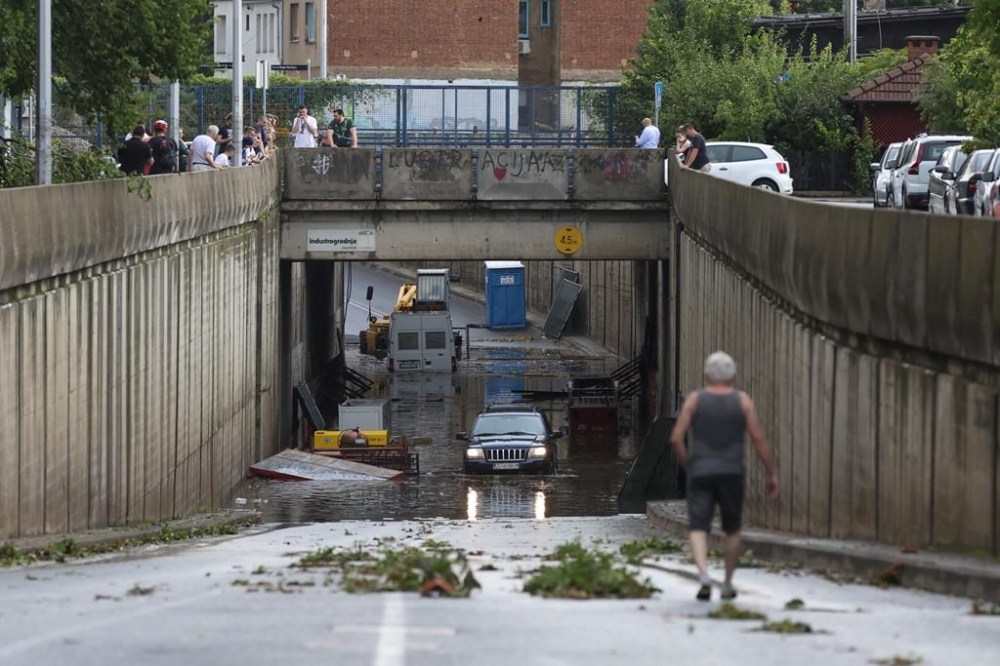
BELGRADE, Serbia (AP) — Three people died in Serbia during another deadly storm that ripped through the Balkans this week, local media said on Saturday.
The storm on Friday first swept through Slovenia, moving on to Croatia and then Serbia and Bosnia, with gusts of wind and heavy rain. Authorities reported power distribution issues and extensive damage — including fallen trees — that destroyed cars and rooftops.
On Wednesday, another storm killed six people in the region, four in Croatia, one in Slovenia and another in Bosnia.
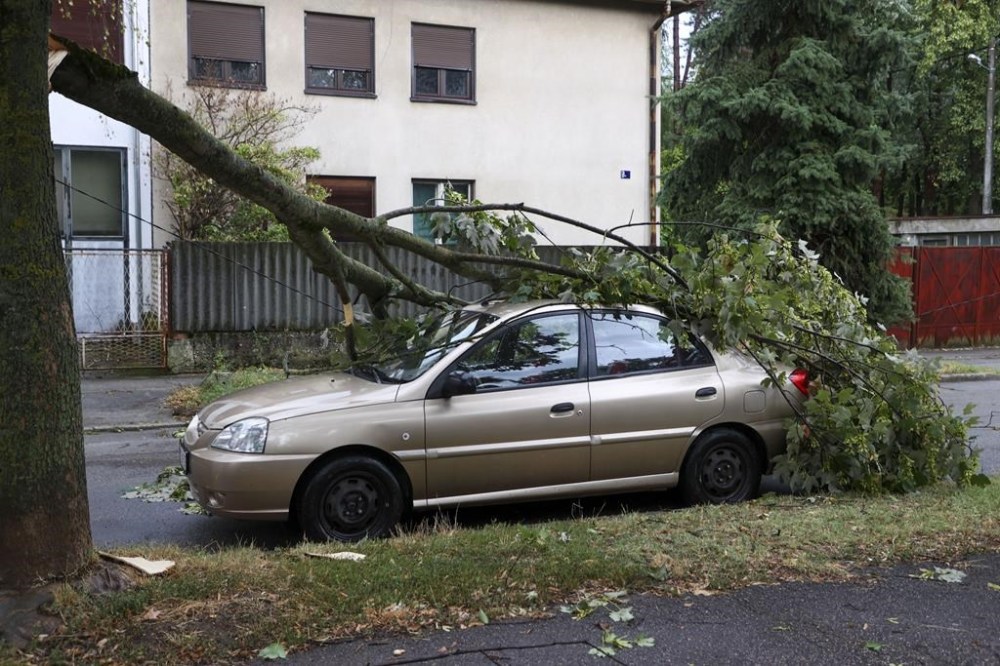
Meteorologists said the storms were of such powerful magnitude because they followed a string of extremely hot days. Experts say extreme weather conditions are likely fueled by climate change.
In the northern Serbian city of Novi Sad, a 12-year-old was found dead in the street during the storm but it remains unclear whether he was struck by lightning or was electrocuted, said the official RTS television.
Local media say Novi Sad was hit the hardest, with the storm damaging the roof of the city’s exhibition hall. Some 30 people have sought medical help and many streets remain blocked on Saturday morning.
In the village of Kovacica, in northeastern Serbia, a woman died from smoke inhalation after a fire erupted when lightning hit a tree by her house, the RTS said.
Serbian police said on Saturday that a man died in the northwestern town of Backa Palanka after he tried to remove power cables that fell on his house gate.
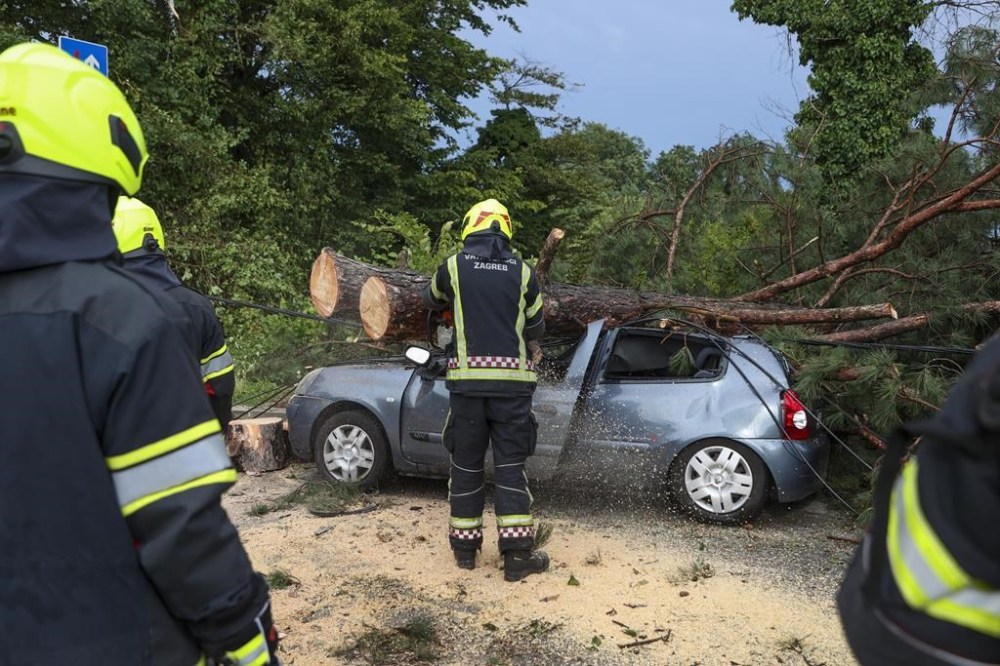
In Croatia, the storm wreaked havoc in various parts of the country, as authorities were already scrambling to control the damage left by Wednesday’s storm.
“We work night and day, no stopping,” Nermin Brezovcanin, a construction worker in the capital Zagreb, told the official HRT TV.
Several people were injured in a tourist campsite in the northern Istria peninsula packed with visitors from abroad during summer. Croatia’s Adriatic Sea coastline and islands attract millions of tourists each summer.
Slovenia says storms have also hugely damaged forests in the Alpine nation and warned of potential flash floods.
Elsewhere in Europe, a continuing heat wave caused wildfires and public health warnings.