

El Salvador plans mass trials for those imprisoned in gang crackdown
Advertisement
Read this article for free:
or
Already have an account? Log in here »
To continue reading, please subscribe:

Digital Subscription
One year of digital access for only $205*
- Enjoy unlimited reading on winnipegfreepress.com
- Read the E-Edition, our digital replica newspaper
- Access News Break, our award-winning app
- Play interactive puzzles
*First annual payment billed as $205.00 + GST for one year. This annual subscription will automatically renew at $233.00 + GST every 52 weeks (10% off the regular annual price of $259.35). Offer available to new and qualified returning subscribers only. Cancel any time.
To continue reading, please subscribe:
Add Free Press access to your Brandon Sun subscription for only an additional
$1 for the first 4 weeks*
- Enjoy unlimited reading on winnipegfreepress.com
- Read the E-Edition, our digital replica newspaper
- Access News Break, our award-winning app
- Play interactive puzzles
*Your next Brandon Sun subscription payment will increase by $1.00 and you will be charged $17.95 plus GST for four weeks. After four weeks, your payment will increase to $24.95 plus GST every four weeks.
Read unlimited articles for free today:
or
Already have an account? Log in here »
Hey there, time traveller!
This article was published 26/07/2023 (1152 days ago), so information in it may no longer be current.
SAN SALVADOR (AP) — New rules passed by El Salvador’s congress Wednesday will allow courts to try accused gang members in mass trials, in an effort to expedite tens of thousands of cases for those detained under the country’s crackdown on street gangs.
The changes to the country’s criminal code are just the latest in President Nayib Bukele’s war on the Barrio 18 and Mara Salvatrucha (MS-13) gangs, which began last year when the leader declared a “state of emergency” in response to a wave of violence.
His government suspended constitutional rights and has detained 71,976 people accused of being in gangs, or 1% of the country’s population. They have been jammed into prisons, fueling waves of accusations of human rights violations. As little as 30% of those detained have clear ties to organized crime, the human rights group Cristosal estimates.
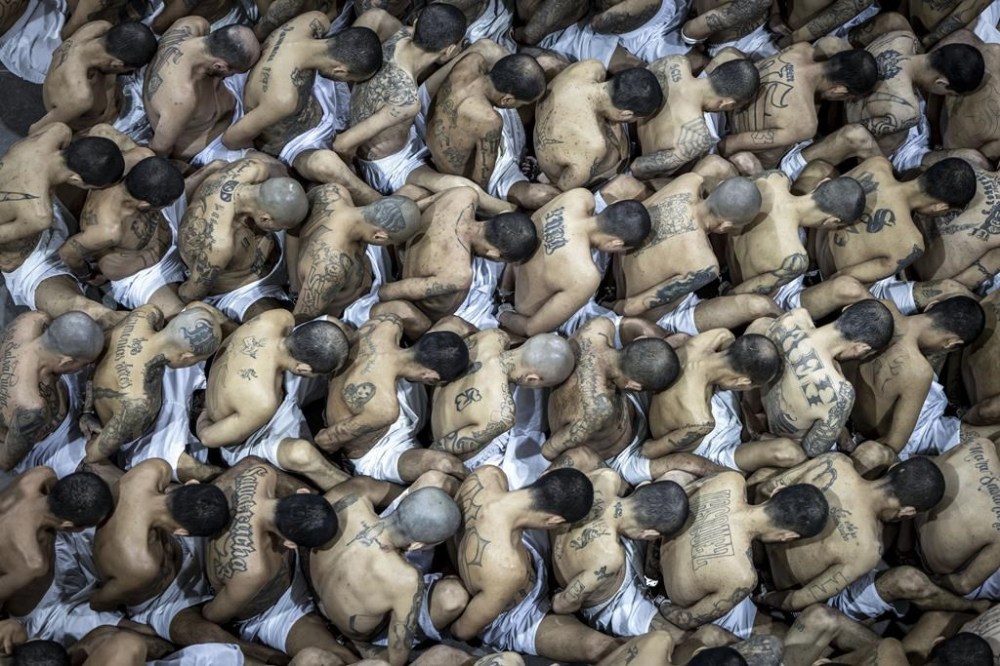
The new rules allow trials to be held for groups of defendants based on what area they lived in and what “clique” — a smaller group within a gang — controlled that territory.
The legislation also increases prison time for those found to be gang leaders from 45 years to 60.
The government has used similar strategies in other parts of the crackdown, rounding up large groups of people often based on how they looked and where they lived. It also carried out mass arraignments, at which judges faced anywhere from 50 to 500 detainees at once, often not considering documents and other evidence that speak to the character of those facing charges.
The new trial rules, which were proposed weeks before, were pushed through by the Bukele-supporting majority in congress, while a smaller set of opposition politicians voted against the change.
Johnny Wright Sol, from the conservative Nuestro Tiempo party, called the changes “a scheme designed to carry out the government’s plan to keep all those detained without a firm conviction.”
“Doing these kinds of mass convictions just as they’ve done with captures is violating due process and violating the individual rights of all those accused,” he said.