

UN closes its human rights office in Uganda as government ends an agreement allowing it to operate
Advertisement
Read this article for free:
or
Already have an account? Log in here »
To continue reading, please subscribe:

Digital Subscription
One year of digital access for only $205*
- Enjoy unlimited reading on winnipegfreepress.com
- Read the E-Edition, our digital replica newspaper
- Access News Break, our award-winning app
- Play interactive puzzles
*First annual payment billed as $205.00 + GST for one year. This annual subscription will automatically renew at $233.00 + GST every 52 weeks (10% off the regular annual price of $259.35). Offer available to new and qualified returning subscribers only. Cancel any time.
To continue reading, please subscribe:
Add Free Press access to your Brandon Sun subscription for only an additional
$1 for the first 4 weeks*
- Enjoy unlimited reading on winnipegfreepress.com
- Read the E-Edition, our digital replica newspaper
- Access News Break, our award-winning app
- Play interactive puzzles
*Your next Brandon Sun subscription payment will increase by $1.00 and you will be charged $17.95 plus GST for four weeks. After four weeks, your payment will increase to $24.95 plus GST every four weeks.
Read unlimited articles for free today:
or
Already have an account? Log in here »
Hey there, time traveller!
This article was published 04/08/2023 (1129 days ago), so information in it may no longer be current.
BERLIN (AP) — The United Nations’ human rights office in Uganda will close this weekend after the East African country decided not to renew an agreement allowing it to operate, the U.N.’s top human rights official said Friday.
The closure comes amid concern over human rights violations including extrajudicial killings in Uganda and a new law that prescribes the death penalty for some homosexual acts. The office in Kampala will formally cease operations on Saturday, while sub-offices in Gulu and Moroto closed at the end of June and on Monday respectively.
“I regret that our office in Uganda had to close after 18 years, during which we were able to work closely with civil society, people from various walks of life in Uganda, as well as engaging with state institutions for the promotion and protection of the human rights of all Ugandans,” U.N. High Commissioner for Human Rights Volker Türk said in a statement from Geneva.
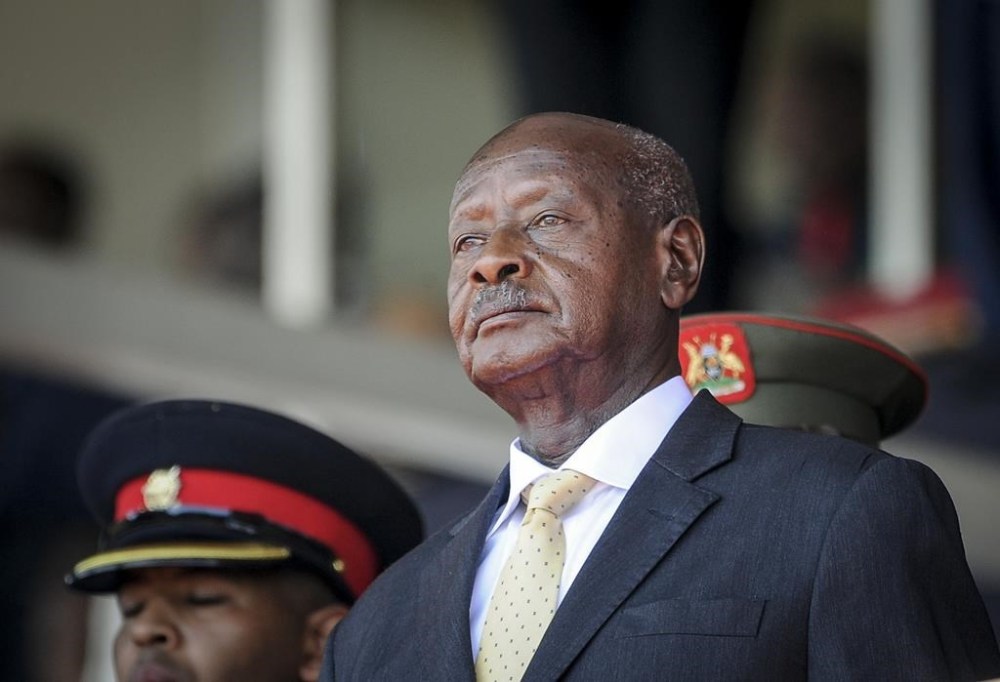
The closure was prompted by the government’s decision not to renew the host country agreement under which the office operated.
Türk expressed concern about the situation in Uganda ahead of elections in 2026, given an “increasingly hostile environment” for human rights defenders, journalists and others, his office said. He noted that most of the 54 non-governmental organizations that were “arbitrarily suspended” two years ago are still closed.
He also warned Uganda against backsliding from its commitments under human rights treaties, including with the “deeply discriminatory and harmful anti-homosexuality law, that is already having a negative impact on Ugandans,” his office said.
Last week, a panel of U.N. experts urged Uganda to repeal that law, which has prompted intense international criticism but has wide support at home, in a report that expressed wider concerns over the human rights situation.
Uganda’s security forces face growing allegations of brutality in their encounters with perceived opponents of the government of President Yoweri Museveni, a U.S. ally who has held power since 1986.
Türk called on authorities to ensure that the national human rights body, the Uganda Human Rights Commission, can function effectively. He said it “is chronically under-funded and under-staffed, and reports of political interference in its mandate undermine its legitimacy, independence and impartiality.”