

At March on Washington’s 60th anniversary, leaders seek energy of original movement for civil rights
Advertisement
Read this article for free:
or
Already have an account? Log in here »
To continue reading, please subscribe:

Digital Subscription
One year of digital access for only $205*
- Enjoy unlimited reading on winnipegfreepress.com
- Read the E-Edition, our digital replica newspaper
- Access News Break, our award-winning app
- Play interactive puzzles
*First annual payment billed as $205.00 + GST for one year. This annual subscription will automatically renew at $233.00 + GST every 52 weeks (10% off the regular annual price of $259.35). Offer available to new and qualified returning subscribers only. Cancel any time.
To continue reading, please subscribe:
Add Free Press access to your Brandon Sun subscription for only an additional
$1 for the first 4 weeks*
- Enjoy unlimited reading on winnipegfreepress.com
- Read the E-Edition, our digital replica newspaper
- Access News Break, our award-winning app
- Play interactive puzzles
*Your next Brandon Sun subscription payment will increase by $1.00 and you will be charged $17.95 plus GST for four weeks. After four weeks, your payment will increase to $24.95 plus GST every four weeks.
Read unlimited articles for free today:
or
Already have an account? Log in here »
Hey there, time traveller!
This article was published 22/08/2023 (1135 days ago), so information in it may no longer be current.
WASHINGTON (AP) — Sixty years ago, Andrew Young and his staff had just emerged from an exhausting campaign against racial segregation in Birmingham, Alabama.
But they didn’t feel no ways tired, as the Black spiritual says. The foot soldiers were on a “freedom high,” Young recalls.
“They wanted to keep on marching, they wanted to march from Birmingham to Washington,” he said.
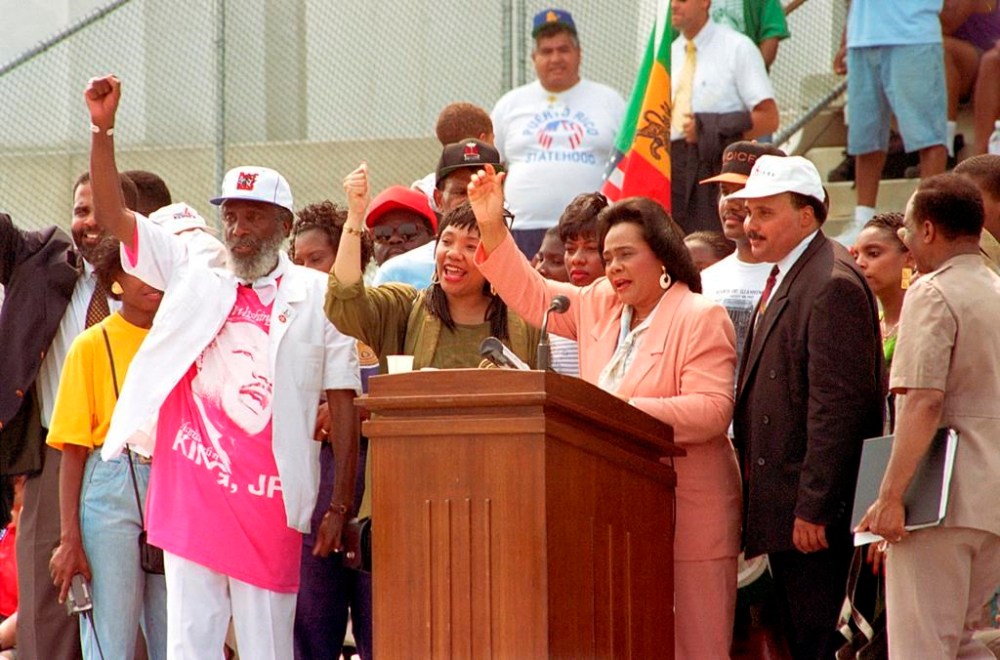
And march they did, in the nation’s capital. Just four months later, they massed for what is still considered one of the greatest and most consequential racial justice demonstrations in U.S. history.
The nonviolent protest, which attracted as many as 250,000 to the steps of the Lincoln Memorial, helped till the ground for passage of federal civil rights and voting rights legislation in the next few years.
But in the decades that followed, the rights gains feeding the freedom high felt by Young and others came under increasing threat. A close adviser to the Rev. Martin Luther King Jr., Young went on to become a congressman, a U.N. ambassador and Atlanta’s mayor. He sees clear progress from the time when Black Americans largely had no guarantee of equal rights under the law. But he hasn’t ignored the setbacks.
“We take two steps forward, and they make us take one step back,” Young told The Associated Press in an interview at the offices of his Atlanta-based foundation.
“It’s a slow process that depends on the politics of the nation.”
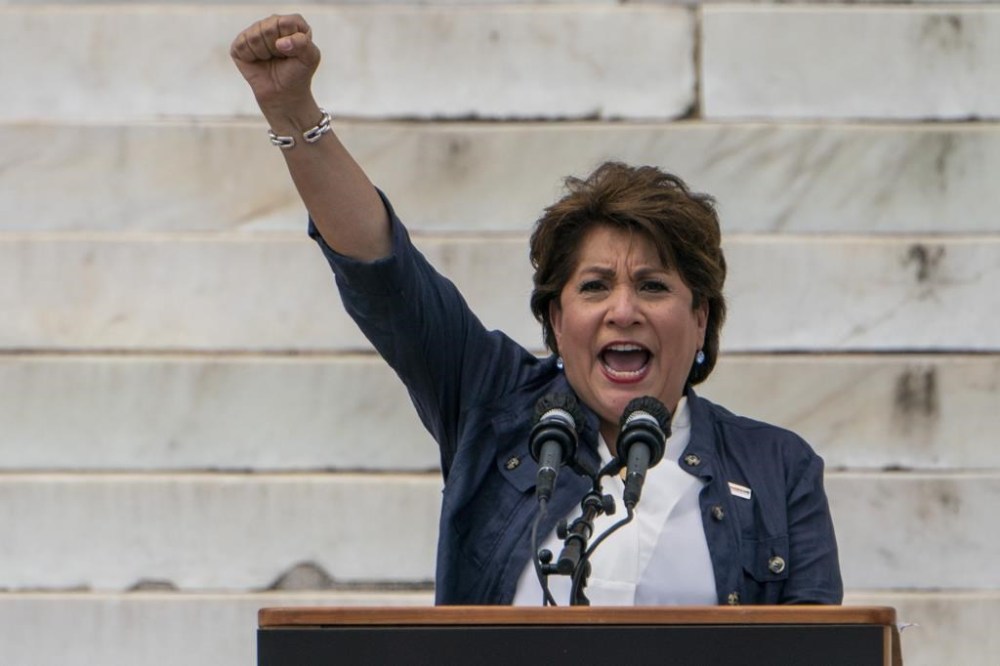
At 91 years old, an undeterred Young will gather again with Black civil rights leaders and a multiracial, interfaith coalition of allies on Saturday, to mark 60 years since the first March on Washington for Jobs and Freedom, an event most widely remembered for King’s “I Have A Dream” speech.
Organizers of this year’s commemoration don’t see this as an occasion for kumbaya — not in the face of eroded voting rights nationwide after the recent striking down of affirmative action in college admissions and abortion rights by the Supreme Court, and amid growing threats of political violence and hatred against people of color, Jews and LGBTQ Americans.
The issues today appear eerily similar to the issues of 1963. The undercurrent of it all is that Black people are still the economically poorest in American society.
Organizers intend to remind the nation that the original march wasn’t just about dreaming of a country that lived up to its promises of equality and liberty to pursue happiness. They wanted legislative action then, and they want the same now.
The survival of American democracy depends on it, the organizers say.
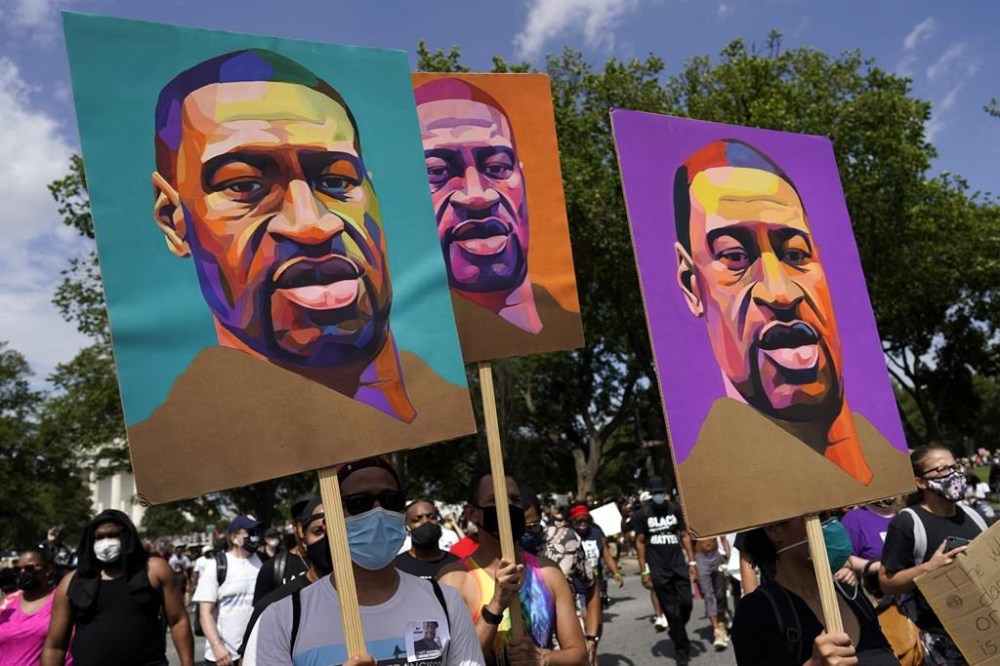
“It’s inevitable to me that this nation, as Martin Luther King said, will live out, one day, the true meaning of its creed,” Young declared.
Six decades ago, from the steps of the monument to President Abraham Lincoln, King began his most famous speech by decrying economic disparity, quality of life issues, police brutality and voter disenfranchisement. He brought his remarks home with the sermonic delivery of his dream of social and class harmony transcending racial and ethnic lines in America.
His words have resounded through decades of push and pull toward progress in civil and human rights. Today, the March on Washington is a marker by which racial progress is measured. But drivers of that progress — namely the Civil Rights Act of 1964 and the Voting Rights Act of 1965 — have teetered precariously on the edges of partisanship.
“(King) said in the speech, ’We come to here, Mr. Lincoln, because 100 years ago, in 1863, you promised that we’d be full citizens, and America has not fulfilled the promise,’” said the Rev. Al Sharpton, president of the National Action Network and co-convener of the 60th commemoration of the march.
King also said America had given Black Americans a check for equality that had been marked “insufficient funds” in the bank of justice.
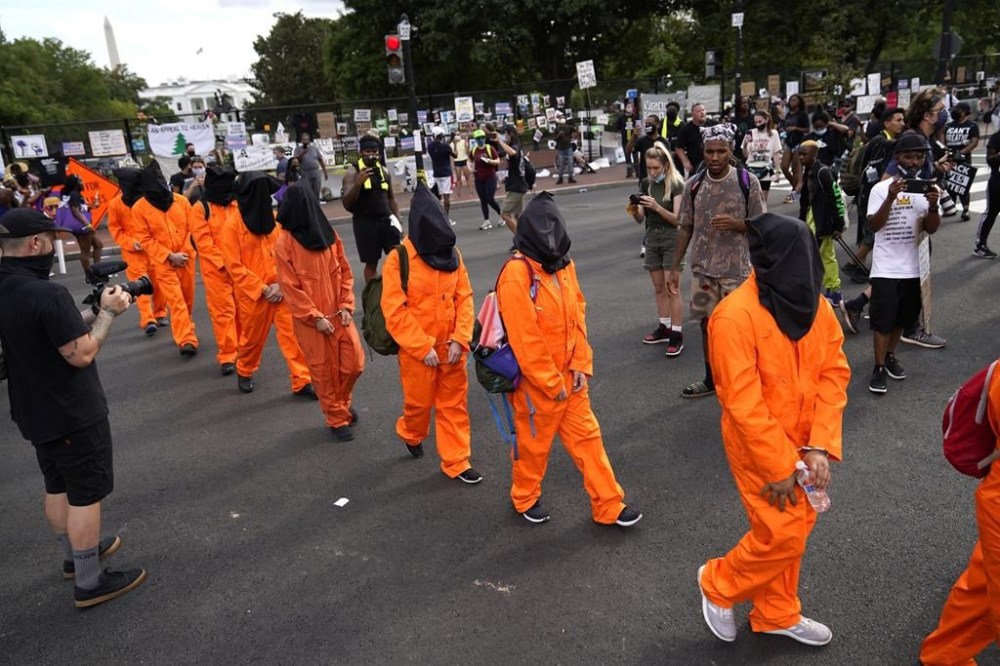
“They came in ’63 to say the check bounced,” Sharpton said. “We come in ’23 … to say the check didn’t bounce this time. They put a stop payment on the check. And we’re coming to say, ‘You’re going to take stop payment off the check, and you will pay your debt.’”
This is at least the third time that Sharpton has organized a commemoration of the March on Washington. There was a march in 2000, the 37th anniversary of King’s speech, focused on police brutality and racial profiling. Thirteen years later, the late Rep. John Lewis, who at the time was the last living speaker from the original march, and a host of celebrities, athletes and politicians attended the 50th anniversary commemoration.
Each time, Sharpton has partnered with members of King’s family. Martin Luther King III, the eldest son of the late civil rights icon, and his wife, Arndrea Waters King, head the Drum Major Institute and are co-conveners of this year’s march. A list of march partners includes about 100 other civil rights, faith and cultural organizations.
Sharpton’s organization expects tens of thousands to attend on Saturday.
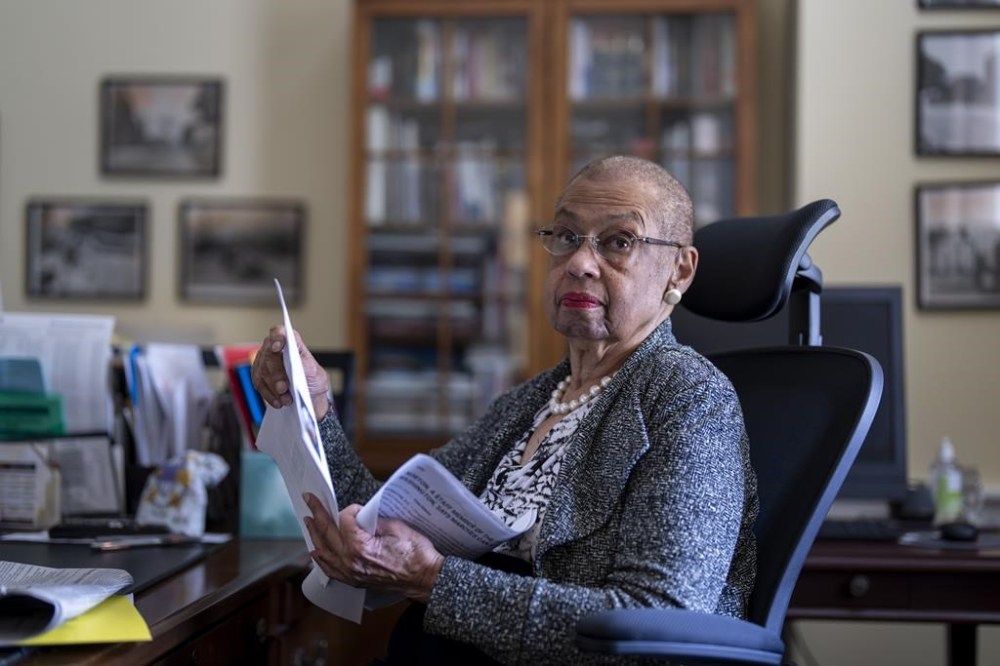
Congresswoman Eleanor Holmes Norton was a 26-year-old Student Nonviolent Coordinating Committee worker in Mississippi in 1963 when she became part of the staff that organized the March on Washington.
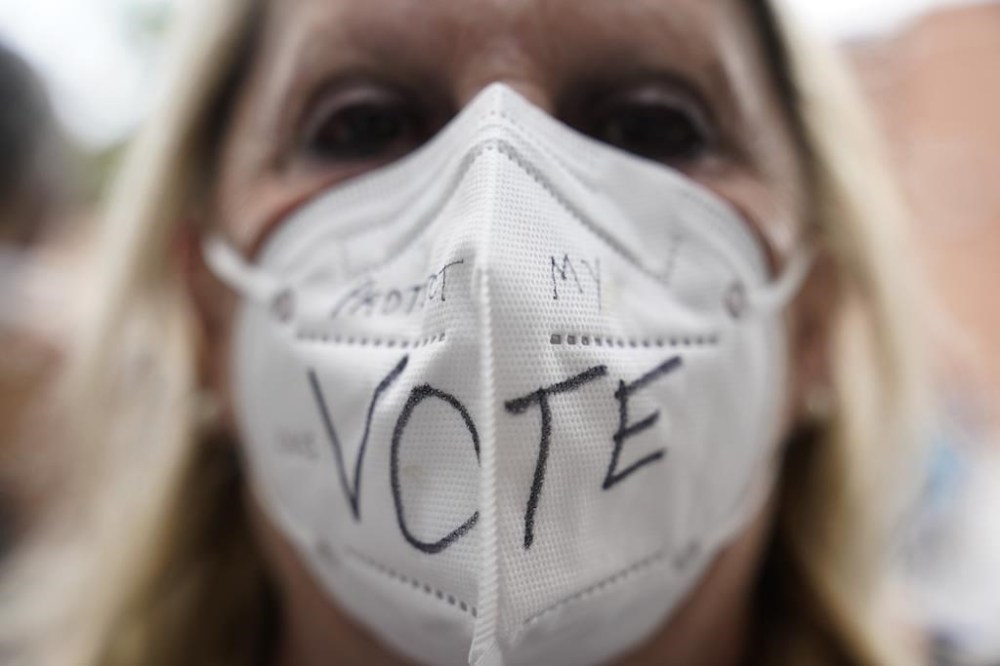
“As I flew from New York to Washington, I could see that the march would be a success because as far as the eye could see, there were crowds,” she said. “We weren’t sure how big because there had never been such a large march before, but it was overwhelming.”
Norton, now 86, and Washington’s nonvoting delegate, said she knew once she saw how many people had come that “the march was not only successful, but they would help us with what we wanted the march to do.”
The civil rights and voting rights legislation, as well as the 1968 Fair Housing Act, all came in part from the energy and commitment from the march, she said.
Now, 60 years out, she said the political environment is so polarized it is hard to imagine the legislative achievements in the aftermath of the 1963 march being possible now.
“Unlike the kind of atmosphere we had during the March on Washington, we have exactly the opposite now,” Norton said.
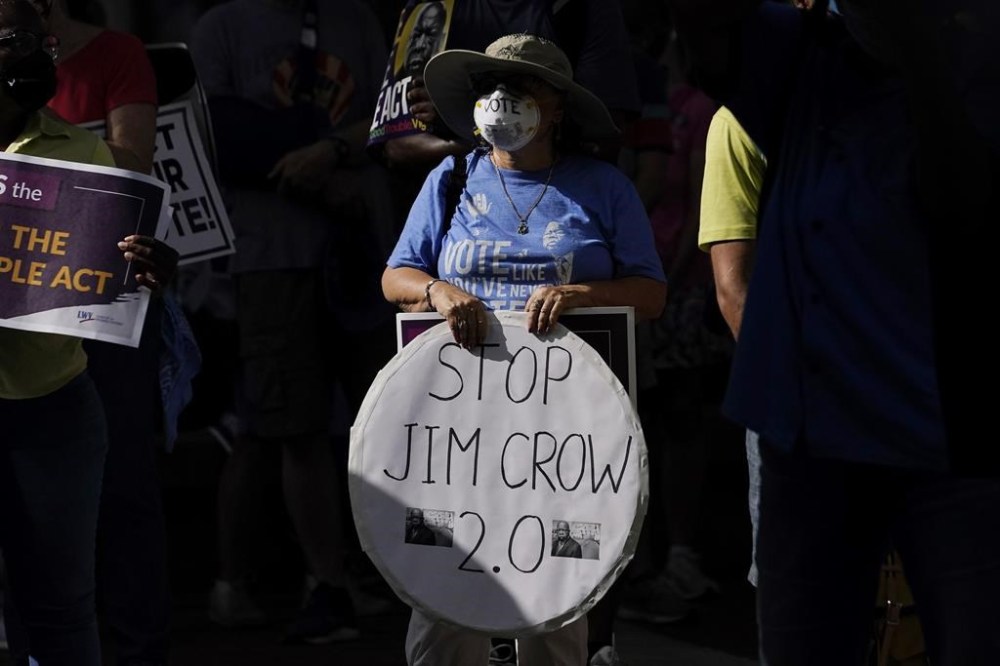
Young, the King adviser and former U.S. ambassador to the U.N., said he thinks it unwise for him to predict how successful this year’s march will be. But his Christian faith tells him to not place limits on what is possible.
“If there is a place where we can learn to live together as brothers and sisters, rather than perish together as fools, it’s the United States of America,” he said.
___
AP Democracy Writer Gary Fields in Washington contributed to this report.
___
The Associated Press receives support from several private foundations to enhance its explanatory coverage of elections and democracy. See more about AP’s democracy initiative here. The AP is solely responsible for all content.