

Daughters of jailed Bahrain activist say he resumes hunger strike as crown prince visits US
Advertisement
Read this article for free:
or
Already have an account? Log in here »
To continue reading, please subscribe:

Digital Subscription
One year of digital access for only $205*
- Enjoy unlimited reading on winnipegfreepress.com
- Read the E-Edition, our digital replica newspaper
- Access News Break, our award-winning app
- Play interactive puzzles
*First annual payment billed as $205.00 + GST for one year. This annual subscription will automatically renew at $233.00 + GST every 52 weeks (10% off the regular annual price of $259.35). Offer available to new and qualified returning subscribers only. Cancel any time.
To continue reading, please subscribe:
Add Free Press access to your Brandon Sun subscription for only an additional
$1 for the first 4 weeks*
- Enjoy unlimited reading on winnipegfreepress.com
- Read the E-Edition, our digital replica newspaper
- Access News Break, our award-winning app
- Play interactive puzzles
*Your next Brandon Sun subscription payment will increase by $1.00 and you will be charged $17.95 plus GST for four weeks. After four weeks, your payment will increase to $24.95 plus GST every four weeks.
Read unlimited articles for free today:
or
Already have an account? Log in here »
Hey there, time traveller!
This article was published 13/09/2023 (1124 days ago), so information in it may no longer be current.
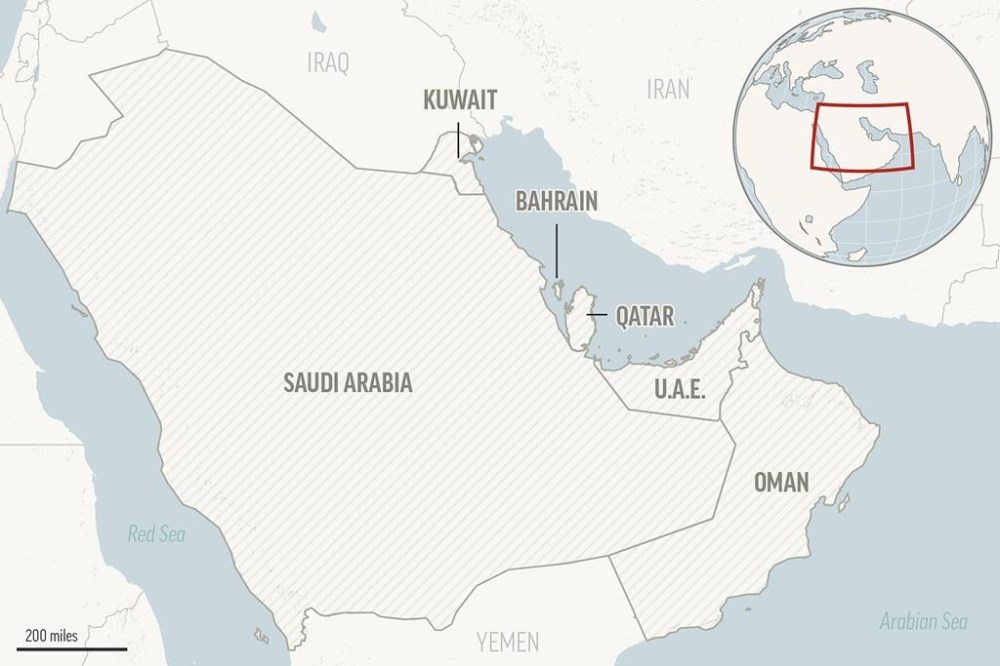
DUBAI, United Arab Emirates (AP) — The daughters of a prominent human rights activist jailed in Bahrain said he resumed a hunger strike Wednesday after being denied medical care and as the country’s crown prince visited the United States.
Abdulhadi al-Khawaja, a dual Danish-Bahraini citizen, was jailed after taking part in the 2011 Arab Spring uprising in the tiny island nation in the Persian Gulf. He later was convicted of terrorism charges in a case that has been criticized internationally. His supporters say the 62-year-old has been tortured and is in ill health.
Zainab Al-Khawaja posted a video on X, formerly known as Twitter, in which she said her father had resumed his hunger strike after being denied a medical appointment to treat his glaucoma, which the family fears could result in blindness. They say he also suffers from a potentially fatal heart condition.
Bahrain’s prison authority denied that Al-Khawaja had been refused medical care and said his health is “stable with no serious concerns.”
All detainees in Bahrain get the same level of health care as members of the public, and their health is overseen by government hospitals, the agency said in a statement.
Al-Khawaja is among hundreds of prisoners at the Jaw Rehabilitation and Reform Center who launched a hunger strike on Aug. 7 to protest the conditions of their incarceration. The facility holds several prisoners identified by rights groups as dissidents who oppose the rule of the Al Khalifa family.
The prisoners suspended the strike on Tuesday after authorities said they would improve health care at the prison. Authorities also agreed to limit isolation, expand visitor rights and extend the hours of exposure to daylight, even as the government had downplayed the strike over the past month.
Al-Khawaja’s other daughter, Maryam, who shared the video, plans to risk her own arrest by visiting Bahrain this week with other human rights activists to press for her father’s release.
In Washington, Crown Prince Salman bin Hamad Al Khalifa, who is also Bahrain’s prime minister, met with U.S. Secretary of State Antony Blinken, and they signed a security agreement to enhance cooperation on defense, technology, trade and other areas.
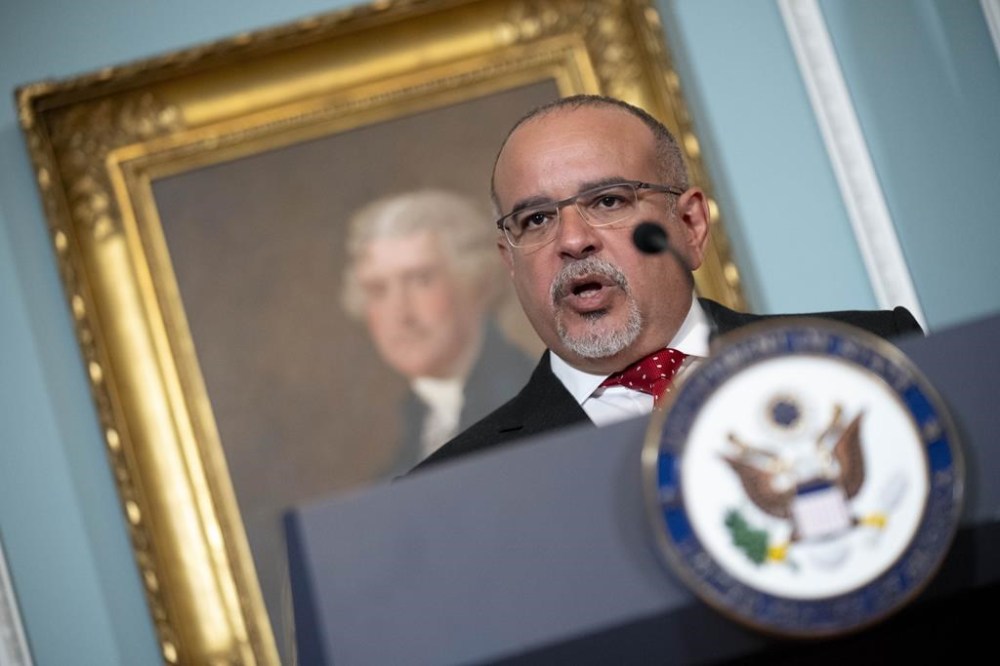
Later Wednesday, he met with national security adviser Jake Sullivan, who reaffirmed the U.S.’s commitment to Bahrain’s security and thanked the crown prince for Bahrain’s partnership, a White House statement said.
Bahrain, which is home to the U.S. Navy’s 5th Fleet, saw mass protests in 2011 supported by the Shiite majority against the Sunni monarchy. Authorities violently quashed the demonstrations with help from neighboring Saudi Arabia and the United Arab Emirates, two other U.S. allies.