

Arizona sheriff seeks state and federal help to handle arrival of asylum-seekers in rural area
Advertisement
Read this article for free:
or
Already have an account? Log in here »
To continue reading, please subscribe:

Digital Subscription
One year of digital access for only $205*
- Enjoy unlimited reading on winnipegfreepress.com
- Read the E-Edition, our digital replica newspaper
- Access News Break, our award-winning app
- Play interactive puzzles
*First annual payment billed as $205.00 + GST for one year. This annual subscription will automatically renew at $233.00 + GST every 52 weeks (10% off the regular annual price of $259.35). Offer available to new and qualified returning subscribers only. Cancel any time.
To continue reading, please subscribe:
Add Free Press access to your Brandon Sun subscription for only an additional
$1 for the first 4 weeks*
- Enjoy unlimited reading on winnipegfreepress.com
- Read the E-Edition, our digital replica newspaper
- Access News Break, our award-winning app
- Play interactive puzzles
*Your next Brandon Sun subscription payment will increase by $1.00 and you will be charged $17.95 plus GST for four weeks. After four weeks, your payment will increase to $24.95 plus GST every four weeks.
Read unlimited articles for free today:
or
Already have an account? Log in here »
Hey there, time traveller!
This article was published 14/09/2023 (1099 days ago), so information in it may no longer be current.
DOUGLAS, Ariz. (AP) — The sheriff of Arizona’s easternmost border county asked state and federal officials for help Thursday with the sudden daily release of more than a hundred migrants seeking asylum in the U.S., including families with small children.
Along with other local officials at a news conference Thursday, Sheriff Mark Dannels of Cochise County said that the rural area doesn’t have shelters or other infrastructure to attend to the needs of migrants, many of them from faraway countries in western Africa and southeast Asia.
“We don’t have any resources at all to house these people,” said Douglas Mayor Donald Huish.
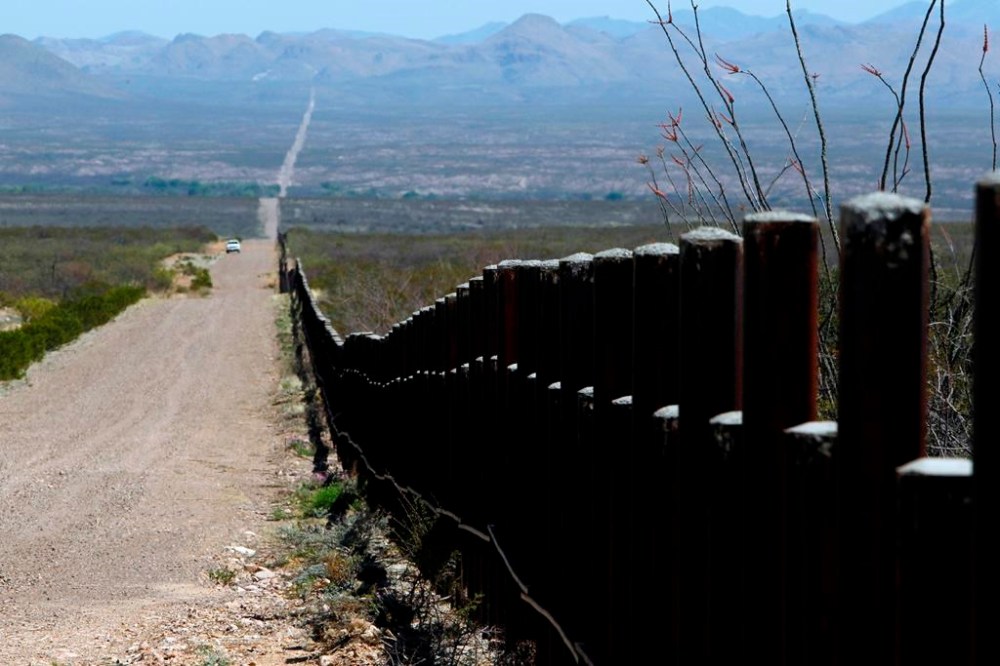
The officials said Customs and Border Protection has been overwhelmed with arrivals and began releasing the migrants into small communities such as Douglas and Bisbee on Wednesday and continued Thursday. Some were dropped off at a bus stop outside a Bisbee supermarket.
Douglas is a city of about 16,000 people on Arizona’s border with Mexico. Dannels said the migrants entered the U.S. at other locations along the U.S.-Mexico border, but didn’t specify where or why remote Cochise County was chosen as the location to release them.
Officials said many migrants are being transported out of the area to a Tucson shelter on buses paid for by Pima County with federal grant funding.
When contacted, CBP did not address specific questions about why Cochise County was chosen for releases, but said it is “working according to plan and as part of our standard processes” to get people quickly out of detention facilities before they become overcrowded.
It said it aims to “safely and efficiently screen and process migrants to place them in immigration enforcement proceedings consistent with our laws.”
Typically, asylum-seekers who are allowed to remain in the U.S. are sheltered for a few days by nonprofit organizations that then help them make contact with and travel to stay with relatives in other parts of the country pending their immigration court dates.
But those organizations don’t exist in remote areas like Cochise County.
Yuma County, located on Arizona’s border with Mexico in the far west, has encountered similar problems in 2021 when Border Patrol officials released migrants there when facilities became overwhelmed.