

UK’s opposition Labour Party gets a boost from a special election victory in Scotland
Advertisement
Read this article for free:
or
Already have an account? Log in here »
To continue reading, please subscribe:

Digital Subscription
One year of digital access for only $205*
- Enjoy unlimited reading on winnipegfreepress.com
- Read the E-Edition, our digital replica newspaper
- Access News Break, our award-winning app
- Play interactive puzzles
*First annual payment billed as $205.00 + GST for one year. This annual subscription will automatically renew at $233.00 + GST every 52 weeks (10% off the regular annual price of $259.35). Offer available to new and qualified returning subscribers only. Cancel any time.
To continue reading, please subscribe:
Add Free Press access to your Brandon Sun subscription for only an additional
$1 for the first 4 weeks*
- Enjoy unlimited reading on winnipegfreepress.com
- Read the E-Edition, our digital replica newspaper
- Access News Break, our award-winning app
- Play interactive puzzles
*Your next Brandon Sun subscription payment will increase by $1.00 and you will be charged $17.95 plus GST for four weeks. After four weeks, your payment will increase to $24.95 plus GST every four weeks.
Read unlimited articles for free today:
or
Already have an account? Log in here »
Hey there, time traveller!
This article was published 06/10/2023 (1050 days ago), so information in it may no longer be current.
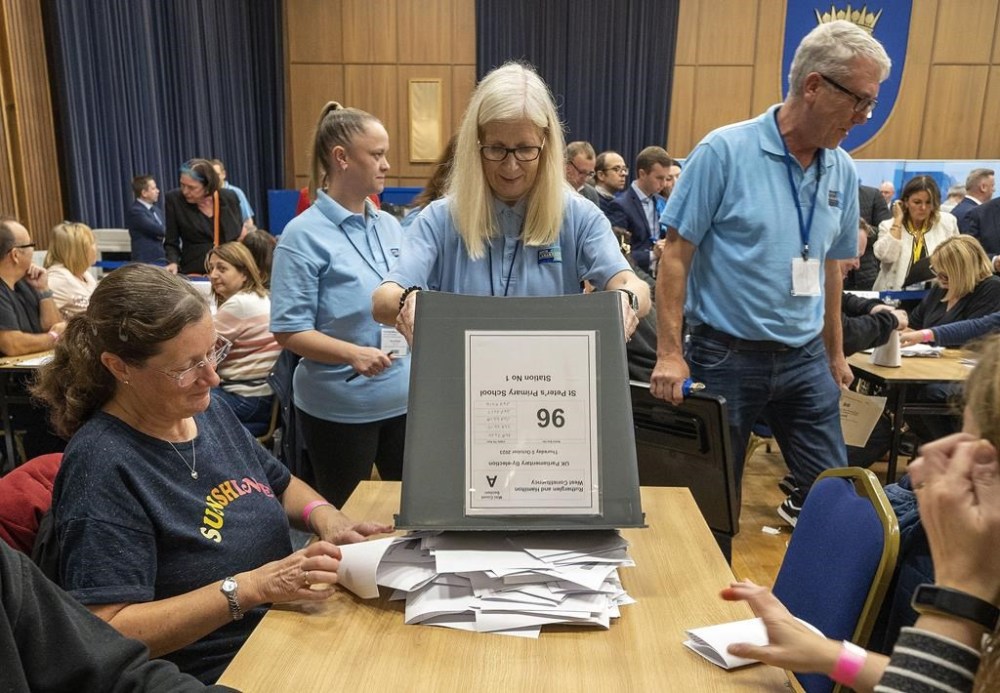
LONDON (AP) — Britain’s main opposition Labour Party won an emphatic victory Friday in a special election for a Scottish district that was watched as an indicator of the party’s rebounding popularity ahead of a national election next year.
Labour took the parliamentary seat of Rutherglen and Hamilton West, near Glasgow, from the Scottish National Party. The result doubles Labour’s total of Scottish seats from one to two.
Labour candidate Michael Shanks won 17,845 votes, more than twice the number taken by SNP runner-up Katy Loudon. The Scottish Conservatives came a distant third.
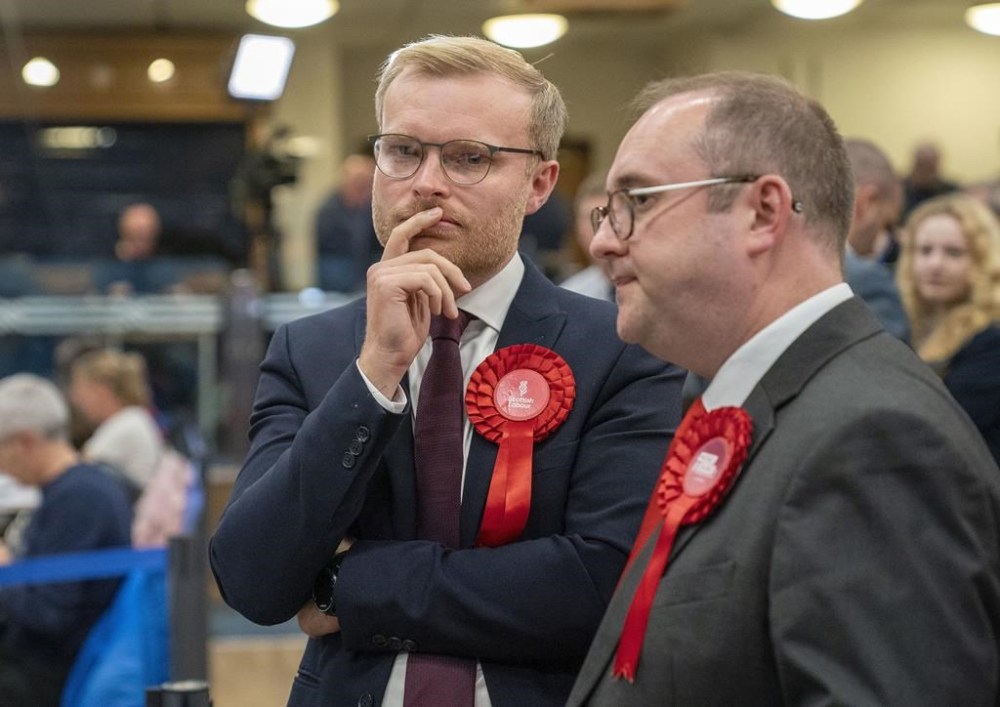
Labour leader Keir Starmer called it a “seismic result.”
“It was a big step in the right direction, an important one,” he said.
The election was called when the former lawmaker, Margaret Ferrier, was ousted by her constituents for breaking coronavirus restrictions in 2020 by taking a long train journey when she had COVID-19.
Labour was long dominant in Scotland but in the past 15 years has been all but wiped out by the SNP, which wants Scotland to leave the U.K. and become an independent country.
The result adds to pressure on Scottish First Minister Humza Yousaf, who took over as SNP leader in March after his predecessor Nicola Sturgeon resigned amid a continuing police investigation into the party’s finances. The party, which has dominated Scottish politics for more than a decade, has seen its popularity slump and has reached an impasse in its push for a new referendum on independence..
“It’s a tough day for the SNP, a disappointing result. There’s no point pretending otherwise.” Yousaf said. “The SNP has to reflect, we’ve got to regroup, we’ve got to reorganize.”
Starmer’s party needs to regain ground in Scotland to win a majority of seats in a general election that must be called by the end of 2024. Labour has been out of power since 2010 but is polling 15 to 20 points ahead of Prime Minister Rishi Sunak’s Conservatives amid a cost-of-living crisis and stagnant economy.
University of Strathclyde polling expert John Curtice said Labour has hopes of winning two dozen of Scotland’s 59 seats in the 650-seat U.K. Parliament.
“That doesn’t look infeasible given the result of this byelection,” he told the BBC.