

An Australian referendum to create an Indigenous advocacy committee to Parliament has failed
Advertisement
Read this article for free:
or
Already have an account? Log in here »
To continue reading, please subscribe:

Digital Subscription
One year of digital access for only $205*
- Enjoy unlimited reading on winnipegfreepress.com
- Read the E-Edition, our digital replica newspaper
- Access News Break, our award-winning app
- Play interactive puzzles
*First annual payment billed as $205.00 + GST for one year. This annual subscription will automatically renew at $233.00 + GST every 52 weeks (10% off the regular annual price of $259.35). Offer available to new and qualified returning subscribers only. Cancel any time.
To continue reading, please subscribe:
Add Free Press access to your Brandon Sun subscription for only an additional
$1 for the first 4 weeks*
- Enjoy unlimited reading on winnipegfreepress.com
- Read the E-Edition, our digital replica newspaper
- Access News Break, our award-winning app
- Play interactive puzzles
*Your next Brandon Sun subscription payment will increase by $1.00 and you will be charged $17.95 plus GST for four weeks. After four weeks, your payment will increase to $24.95 plus GST every four weeks.
Read unlimited articles for free today:
or
Already have an account? Log in here »
Hey there, time traveller!
This article was published 13/10/2023 (1082 days ago), so information in it may no longer be current.
CANBERRA, Australia (AP) — Australians resoundingly rejected on Saturday a referendum proposal to create an advocacy committee to offer advice to Parliament on policies that affect Indigenous people — the nation’s most disadvantaged ethnic minority.
The government proposed the first constitutional change since 1977 as a step forward in Indigenous rights. But the vote divided Indigenous leaders as well as the wider community.
More than 59% of voters opposed the so-called Voice to Parliament with almost half the votes counted by Saturday. The loss is unofficial but is not contested.
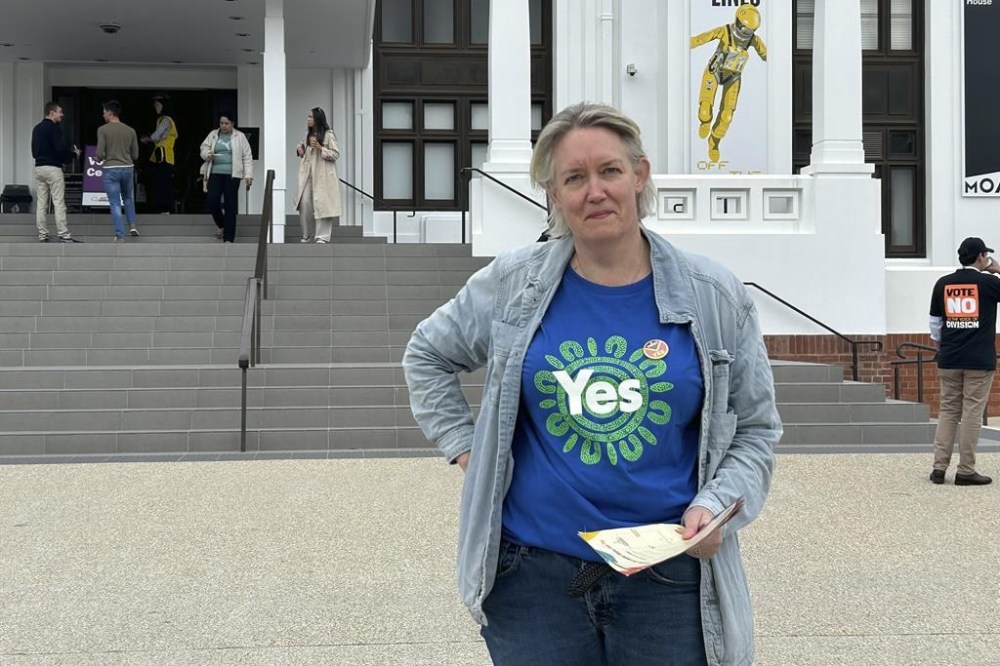
Prime Minister Anthony Albanese blamed his political opponents’ campaigning against the measure for the failure. No referendum has ever succeeded without support of the major parties.
Albanese promised on the day he was elected last year to hold the referendum and accepted responsibility for his government’s decision to proceed despite evidence it was doomed.
“I had a duty, as a conviction politician, to put that to the Australian people,” Albanese told reporters.
Bipartisan support is widely regarded as essential for an Australian referendum’s success. Only eight of 45 referendums have succeeded in the constitution’s 122-year history.
Voice advocate Tanya Hosch, who spent a decade on developing the model, said she was devastated by the result.
“There’s going to be a lot of pain and hurt and dismay and we’re going to need to take a moment to absorb that message and what it says,” Hosch said.
Voice advocates had hoped that listening to Indigenous views would lead to more effective delivery of government services and better outcomes for Indigenous lives.
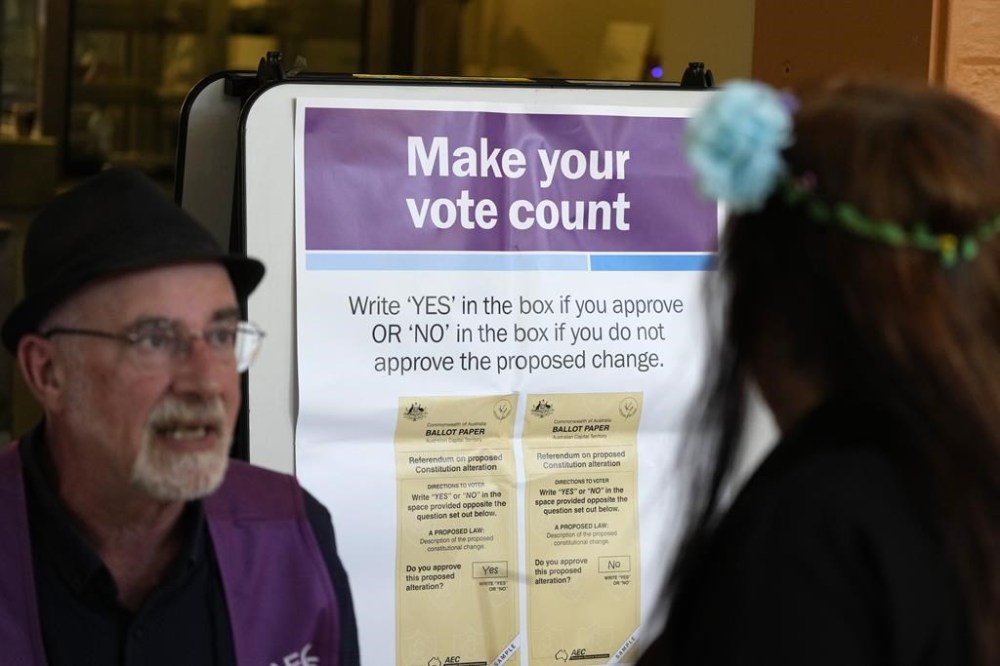
Opponents said the Voice would divide Australians along racial lines without reducing Indigenous disadvantages. They also said it could be a first step toward Indigenous claims for repatriation and compensation.
Accounting for only 3.8% of the population, Indigenous Australians die on average eight years younger than the wider population, have a suicide rate twice that of the national average and suffer from diseases in the remote Outback that have been eradicated from other wealthy countries.
Opposition leader Peter Dutton accused Albanese of needlessly creating racial division over a doomed referendum.
“The prime minister was warned over the course of the last 16 or 17 months not to proceed with this divisive referendum and he owes the Australian public an apology for that,” Dutton said.