

UN aid chief says six months of war in Sudan has killed 9,000 people
Advertisement
Read this article for free:
or
Already have an account? Log in here »
To continue reading, please subscribe:

Digital Subscription
One year of digital access for only $205*
- Enjoy unlimited reading on winnipegfreepress.com
- Read the E-Edition, our digital replica newspaper
- Access News Break, our award-winning app
- Play interactive puzzles
*First annual payment billed as $205.00 + GST for one year. This annual subscription will automatically renew at $233.00 + GST every 52 weeks (10% off the regular annual price of $259.35). Offer available to new and qualified returning subscribers only. Cancel any time.
To continue reading, please subscribe:
Add Free Press access to your Brandon Sun subscription for only an additional
$1 for the first 4 weeks*
- Enjoy unlimited reading on winnipegfreepress.com
- Read the E-Edition, our digital replica newspaper
- Access News Break, our award-winning app
- Play interactive puzzles
*Your next Brandon Sun subscription payment will increase by $1.00 and you will be charged $17.95 plus GST for four weeks. After four weeks, your payment will increase to $24.95 plus GST every four weeks.
Read unlimited articles for free today:
or
Already have an account? Log in here »
Hey there, time traveller!
This article was published 15/10/2023 (1084 days ago), so information in it may no longer be current.
CAIRO (AP) — Six months of war between Sudan’s military and a powerful paramilitary group has killed up to 9,000 people and created “one of the worst humanitarian nightmares in recent history,” the United Nations humanitarian chief said Sunday.
Sudan has been engulfed in chaos since mid-April, when simmering tensions between military chief Gen. Abdel-Fattah Burhan and the commander of the paramilitary Rapid Support Forces, Gen. Mohamed Hamdan Dagalo, exploded into open warfare.
“For six months, civilians … have known no respite from bloodshed and terror,” U.N. Undersecretary-General Martin Griffiths said in a statement marking the six-month anniversary of the war. “Horrific reports of rape and sexual violence continue to emerge.”
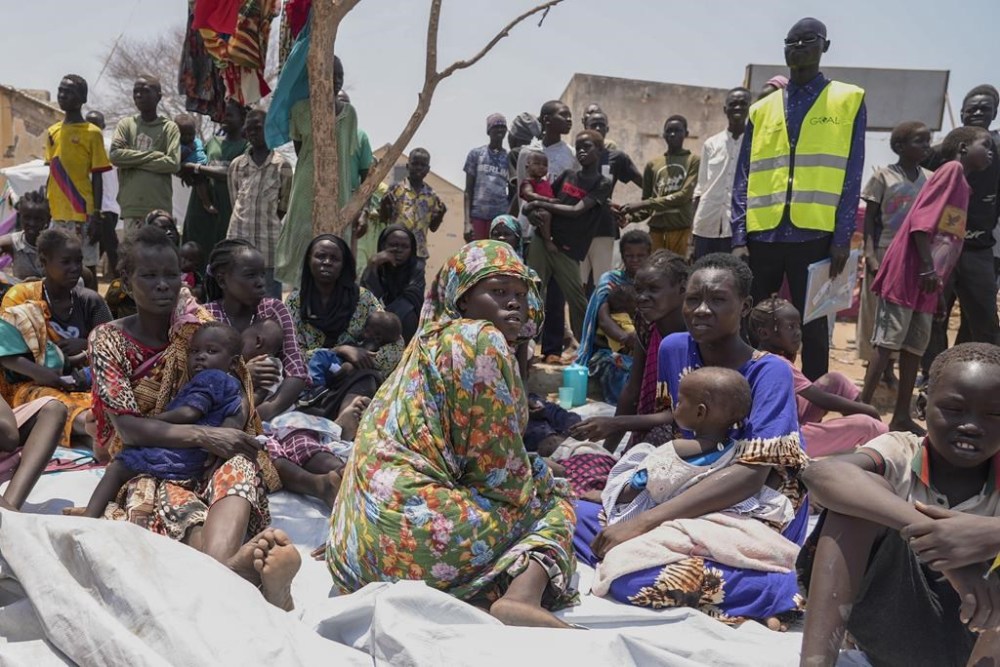
The fighting initially centered in Khartoum, but quickly spread to other areas across the east African nation, including the already conflict-wrecked western Darfur region.
Griffiths said the fighting reportedly killed up to 9,000 and forced millions of people out of their homes, either to safer areas inside Sudan or in neighboring countries.
He said the conflict led to “communities torn apart. Vulnerable people with no access to life-saving aid. Mounting humanitarian needs in the neighboring countries where millions have fled.”
According to the U.N. migration agency, more than 4.5 million people were displaced inside Sudan, while over 1.2 million others sought refuge in neighboring countries. The fighting also left 25 million people — more than half of the country’s population — in need of humanitarian aid, Griffiths said.
Adding to the calamity, a cholera outbreak was reported in the capital and other areas in the country, with more than 1,000 suspected cases detected in Khartoum and the provinces of Kordofan and Qadarif, he said.
Since the breakout of the war, the Greater Khartoum area — the cities of Khartoum, Omdurman and Khartoum North — has become a battleground, with airstrikes and shelling taking place in densely populated areas.
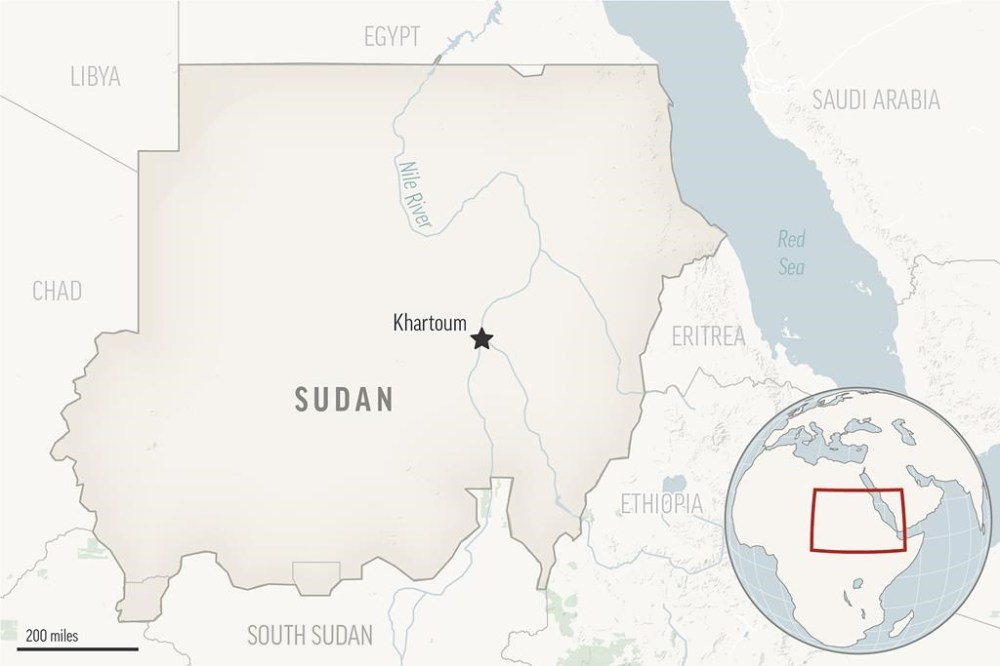
There were reports of rape and gang rape in Khartoum and Darfur, mostly blamed on the Rapid Support Forces. The RSF and its allied Arab militias were also accused by the U.N. and international rights groups of atrocities in Darfur, which was the scene of a genocidal campaign in the early 2000s.
The recent atrocities in Darfur prompted the International Criminal Court’s prosecutor to declare in July that he was investigating alleged war crimes and crimes against humanity in the latest fighting in the region.