

Gaza under Israeli siege: Bread lines, yellow water and nonstop explosions
Advertisement
Read this article for free:
or
Already have an account? Log in here »
To continue reading, please subscribe:

Digital Subscription
One year of digital access for only $205*
- Enjoy unlimited reading on winnipegfreepress.com
- Read the E-Edition, our digital replica newspaper
- Access News Break, our award-winning app
- Play interactive puzzles
*First annual payment billed as $205.00 + GST for one year. This annual subscription will automatically renew at $233.00 + GST every 52 weeks (10% off the regular annual price of $259.35). Offer available to new and qualified returning subscribers only. Cancel any time.
To continue reading, please subscribe:
Add Free Press access to your Brandon Sun subscription for only an additional
$1 for the first 4 weeks*
- Enjoy unlimited reading on winnipegfreepress.com
- Read the E-Edition, our digital replica newspaper
- Access News Break, our award-winning app
- Play interactive puzzles
*Your next Brandon Sun subscription payment will increase by $1.00 and you will be charged $17.95 plus GST for four weeks. After four weeks, your payment will increase to $24.95 plus GST every four weeks.
Read unlimited articles for free today:
or
Already have an account? Log in here »
Hey there, time traveller!
This article was published 19/10/2023 (1038 days ago), so information in it may no longer be current.
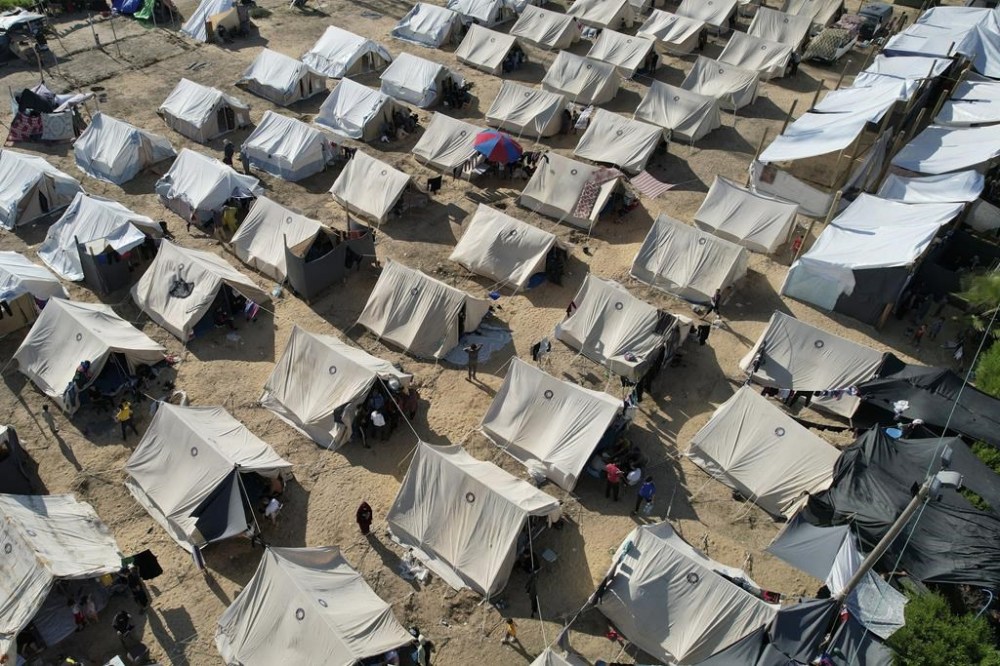
KHAN YOUNIS, Gaza Strip (AP) — There are explosions audible in the cramped, humid room where Azmi Keshawi shelters with his family in Gaza’s southern city of Khan Younis. The bombardments keep coming closer, he says, and they’re wreaking death and destruction.
Keshawi, his wife, two sons, two daughters and tiny grandchildren are trying to survive inside.
The Israeli military has relentlessly attacked Gaza in retaliation for a devastating Hamas rampage in southern Israel almost two weeks ago and the Keshawi family’s sense of desperation is growing. Food is running out and Israel has so far stopped humanitarian attempts to bring it in.
The family hasn’t showered in days since Israel cut off Gaza’s water and fuel supplies. They get drinking water from the U.N. school, where workers hand out jerrycans of water from Gaza’s subterranean aquifer to desperate families. It tastes salty. The desalination stations stopped working when the fuel ran out.
Keshawi boils the water and hopes for the best.
“How the hell did the entire world just watch and let Israel turn off the water?” said Keshawi, 59, a U.S.-educated researcher at the International Crisis Group, his voice rising with anger.
That the world is watching, he says, saddens him the most.
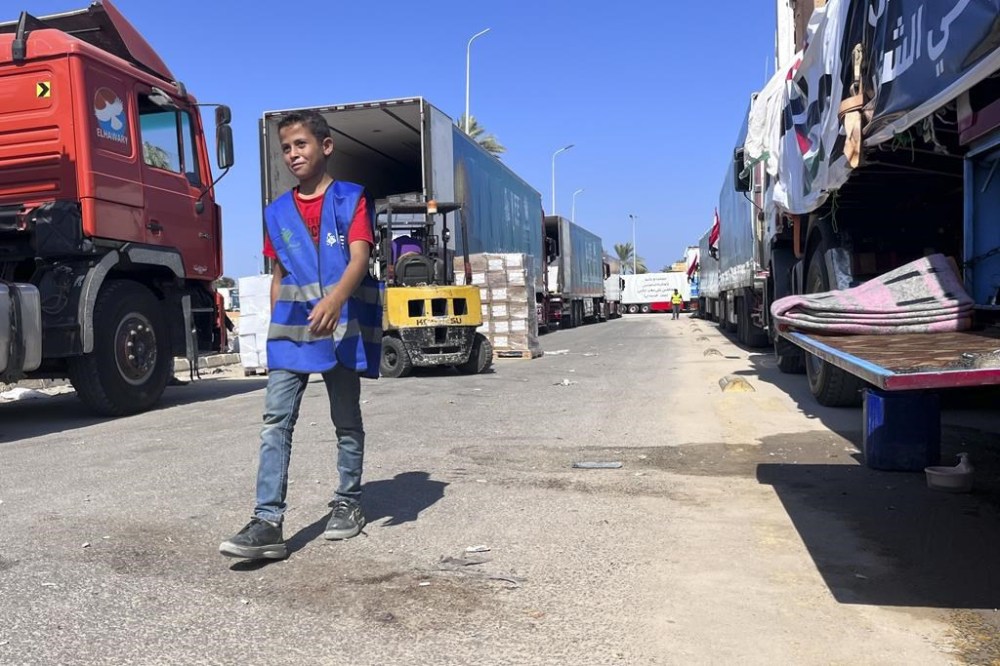
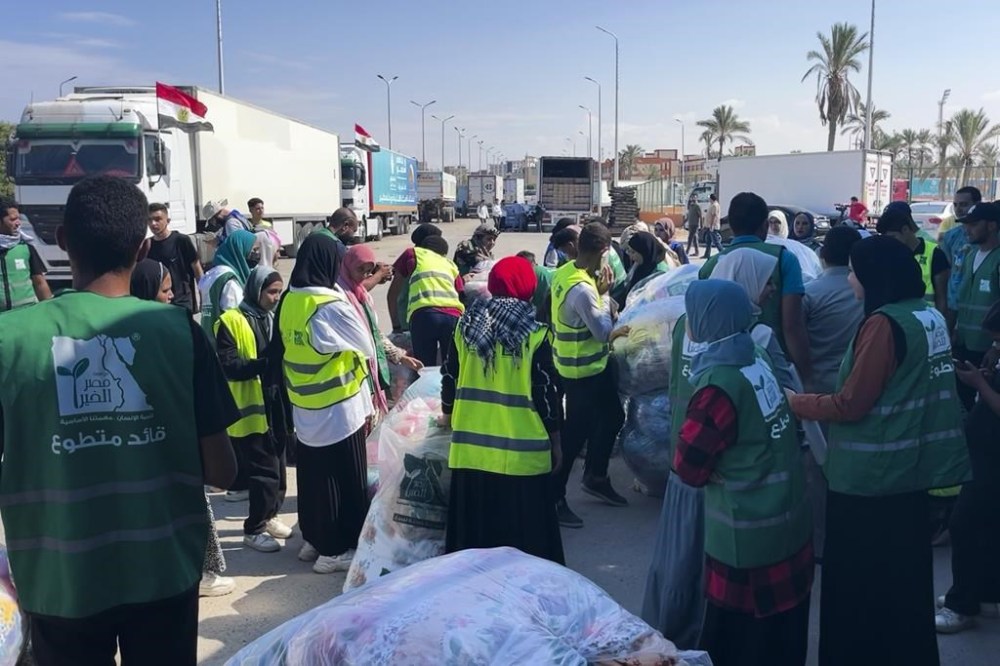
Sometimes there are too many airstrikes to forage for food. But his family’s stocks are dwindling, so he tries to get bread when he can. On Thursday, the line for one loaf was chaotic and took five hours. Several bakeries have been bombed. Others have closed because they don’t have enough water or power. Authorities are still working out the logistics for a delivery of humanitarian aid into Gaza from Egypt.
Keshawi has money to buy food for his grandchildren. But there’s hardly anything to buy. The children often eat stale bread and drink powdered milk. A few Palestinians who own chicken farms and have gas stoves run take-out kitchens from their homes, asking customers to wait for hours to get a meager plate of rice and chicken. Keshawi wishes he didn’t see the water they used — liquid with a disconcerting yellow hue, from a donkey cart. He didn’t tell his wife.
“It’s not the time to be picky,” he said from his friend’s house where he sought refuge after heeding an Israeli military evacuation order for Gaza City. “We don’t know if anything will be available tomorrow.”
The toilet in the house is nearly full to the brim with urine. What water they can spare to wash the dishes they then use to flush waste down the toilet. Without enough food or water, they don’t use the bathroom much.
The nights are the hardest, he said. When airstrikes crash nearby and explosions light up the sky, the adults muster what little resolve they have to soothe the children.
“Boom!” they yell and cheer when the bombs thunder. The babies laugh.
But older kids are terrified. They see the news and know that the airstrikes have crushed thousands of homes and killed over 3,000 Palestinians in Gaza so far, including dozens of people a mere kilometer (half mile) from the house they thought would offer safety.
Keshawi said he tries to put on a brave face. But often, he said, he can’t stop weeping.
“It’s really killing me,” he said. “It really breaks my heart.”
___
DeBre reported from Jerusalem.