

Indigenous men imprisoned for 18 years for Alaska murder settle for $5M after vacated conviction
Advertisement
Read this article for free:
or
Already have an account? Log in here »
To continue reading, please subscribe:

Digital Subscription
One year of digital access for only $205*
- Enjoy unlimited reading on winnipegfreepress.com
- Read the E-Edition, our digital replica newspaper
- Access News Break, our award-winning app
- Play interactive puzzles
*First annual payment billed as $205.00 + GST for one year. This annual subscription will automatically renew at $233.00 + GST every 52 weeks (10% off the regular annual price of $259.35). Offer available to new and qualified returning subscribers only. Cancel any time.
To continue reading, please subscribe:
Add Free Press access to your Brandon Sun subscription for only an additional
$1 for the first 4 weeks*
- Enjoy unlimited reading on winnipegfreepress.com
- Read the E-Edition, our digital replica newspaper
- Access News Break, our award-winning app
- Play interactive puzzles
*Your next Brandon Sun subscription payment will increase by $1.00 and you will be charged $17.95 plus GST for four weeks. After four weeks, your payment will increase to $24.95 plus GST every four weeks.
Read unlimited articles for free today:
or
Already have an account? Log in here »
Hey there, time traveller!
This article was published 06/11/2023 (1064 days ago), so information in it may no longer be current.
Three of the four Indigenous men who served 18 years in prison for a murder conviction in Alaska that was ultimately vacated will receive a total of nearly $5 million in a settlement confirmed by the city of Fairbanks on Monday.
The convictions of the so-called Fairbanks Four in the 1997 death of Fairbanks teenager John Hartman were vacated in 2015 after a key state witness recanted testimony and following a weeks-long hearing reexamining the case that raised the possibility others had killed Hartman.
The men — George Frese, Eugene Vent, Marvin Roberts and Kevin Pease — argued that an agreement that led to their release in which they agreed not to sue was not legally binding because they were coerced. The men also maintained there was a history of discrimination against Alaska Natives by local police. Pease is Native American; Frese, Vent and Roberts are Athabascan Alaska Natives.
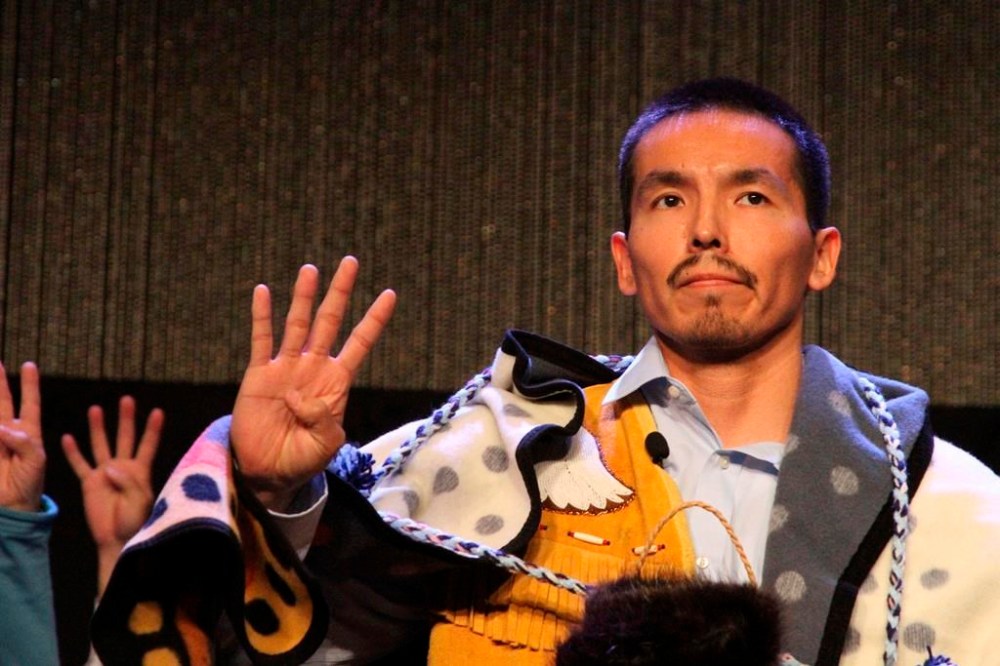
The legal fight over whether the men could sue the city despite the agreement has gone on for years. In 2021, the U.S. Supreme Court declined to take up the case after a three-judge panel of the 9th U.S. Circuit Court of Appeals ruled in their favor.
Pease, Frese and Vent will each receive $1.59 million from the city’s insurer, according to a statement provided by Fairbanks city attorney Tom Chard. Roberts declined a settlement offer and his case is still pending, the statement said.
An attorney for Roberts did not immediately reply to an email sent Monday.
The city’s statement said the decision to settle was made by its insurer, Alaska Municipal League Joint Insurance Association. The association’s executive director did not immediately return a call seeking comment.
The statement said the settlement “is not an admission of liability or fault of any kind,” and the city declined further comment about it.
A federal judge in late September signed off on a request by the parties to have the case involving Pease, Frese and Vent dismissed. The settlement agreement was reported last week by the Fairbanks Daily News-Miner.
Thomas Wickwire, an attorney for Frese and Pease, declined comment on the matter, citing Roberts’ pending case.
Terms of the settlement with each of the three men included a “non-publicity” clause in which the men and their attorneys agreed to not make public statements about the case until claims by all the men are resolved.
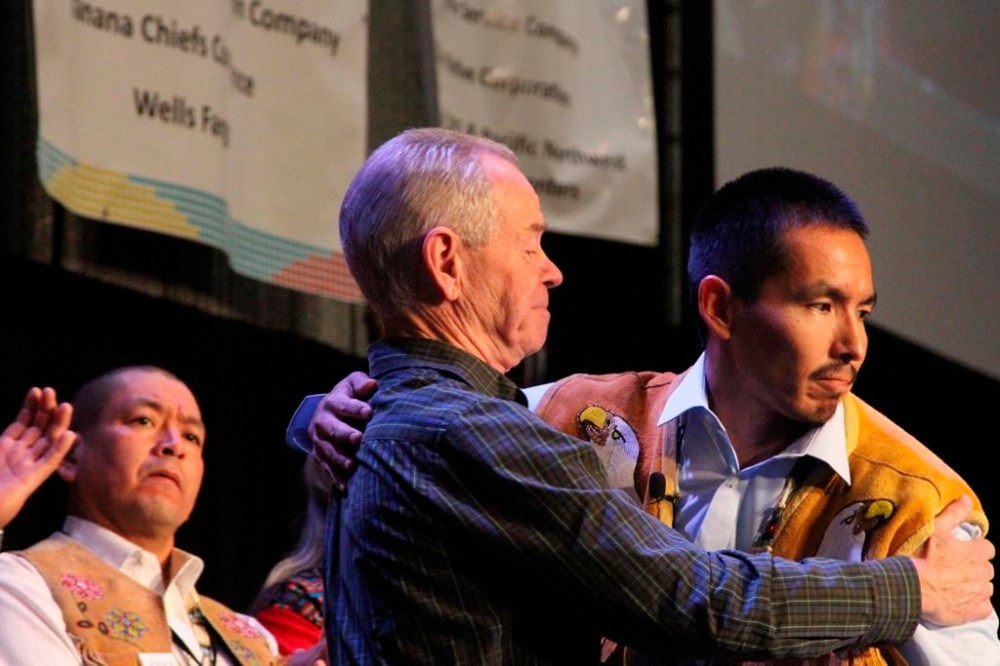
A state court judge in 2015 approved terms of a settlement that threw out the convictions of the four men, who had maintained their innocence in Hartman’s death. Alaska Native leaders long advocated for the men’s release, calling their convictions racially motivated.
The Alaska attorney general’s office at the time said the settlement was “not an exoneration” and called it a compromise that “reflects the Attorney General’s recognition that if the defendants were retried today it is not clear under the current state of the evidence that they would be convicted.”
___
Bohrer reported from Juneau, Alaska.