

Germany’s opposition Left Party to dissolve caucus after prominent member launches rival venture
Advertisement
Read this article for free:
or
Already have an account? Log in here »
To continue reading, please subscribe:
Digital Subscription
One year of digital access for only $1.44 a week*
- Enjoy unlimited reading on winnipegfreepress.com
- Read the E-Edition, our digital replica newspaper
- Access News Break, our award-winning app
- Play interactive puzzles
*Billed as $5.77 plus GST every four weeks. After 52 weeks, price increases to the regular rate of $19.95 plus GST every four weeks. Offer available to new and qualified returning subscribers only. Cancel any time.
To continue reading, please subscribe:
Add Free Press access to your Brandon Sun subscription for only an additional
$1 for the first 4 weeks*
- Enjoy unlimited reading on winnipegfreepress.com
- Read the E-Edition, our digital replica newspaper
- Access News Break, our award-winning app
- Play interactive puzzles
*Your next Brandon Sun subscription payment will increase by $1.00 and you will be charged $17.95 plus GST for four weeks. After four weeks, your payment will increase to $24.95 plus GST every four weeks.
Read unlimited articles for free today:
or
Already have an account? Log in here »
Hey there, time traveller!
This article was published 14/11/2023 (1070 days ago), so information in it may no longer be current.
BERLIN (AP) — Germany’s opposition Left Party said Tuesday it will dissolve its parliamentary caucus next month after prominent party member Sahra Wagenknecht broke away to found a new party with a more nationalist, migration-skeptic agenda.
The Left Party emerged in 2005, bringing together ex-communists from eastern Germany with leftists from the west disgruntled by welfare-state cuts. It was a potent opposition force in its early years, but was later plagued by deep internal divisions.
In Germany’s 2021 election, it won only 4.9% of the vote and came close to losing almost all its seats in parliament. Its fortunes haven’t improved since, despite the unpopularity of center-left Chancellor Olaf Scholz’s government.
Wagenknecht and nine other lawmakers quit the Left Party last month. They plan to formally launch a new party in January.
Wagenknecht criticizes “unregulated immigration” and some environmentalists’ plans to combat climate change, positions that contrast with those of the Left Party leadership. She also opposes current sanctions against Russia. It’s a combination that some observers think could take votes away from the far-right Alternative for Germany, which has surged to around 20% in national polls.
Wagenknecht and her followers quit the party but didn’t immediately leave its caucus. They rejected calls to give up their seats so that Left Party loyalists could take their place.
Party leaders conceded that there was no chance of salvaging the caucus, which requires a minimum 37 members. It will be dissolved on Dec. 6, lawmakers said after they met Tuesday.
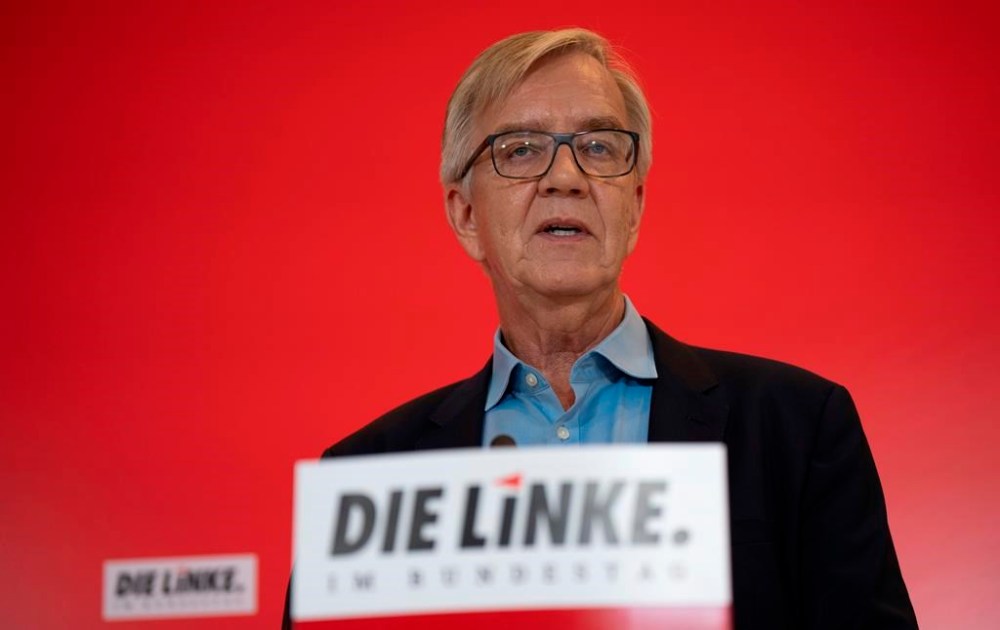
“Better united with 28 than estranged with 38” lawmakers, caucus leader Dietmar Bartsch said. He stressed that it was not the end of the party, which has one state governor and is part of two other regional administrations, and said that “this is an opportunity for a new beginning … (but) permanent disputes must end.”
Bartsch hopes for a new Left Party “group” that would have reduced funding and rights, but seats on committees and more time to speak than independents. The caucus received about 11.5 million euros ($12.3 million) in state funding last year and spent 9.3 million euros on personnel costs.
Dissolving the caucus means that its 108 staff will have to be dismissed.