

Death toll from floods in Kenya, Somalia and Ethiopia rises to 130
Advertisement
Read this article for free:
or
Already have an account? Log in here »
To continue reading, please subscribe:

Digital Subscription
One year of digital access for only $205*
- Enjoy unlimited reading on winnipegfreepress.com
- Read the E-Edition, our digital replica newspaper
- Access News Break, our award-winning app
- Play interactive puzzles
*First annual payment billed as $205.00 + GST for one year. This annual subscription will automatically renew at $233.00 + GST every 52 weeks (10% off the regular annual price of $259.35). Offer available to new and qualified returning subscribers only. Cancel any time.
To continue reading, please subscribe:
Add Free Press access to your Brandon Sun subscription for only an additional
$1 for the first 4 weeks*
- Enjoy unlimited reading on winnipegfreepress.com
- Read the E-Edition, our digital replica newspaper
- Access News Break, our award-winning app
- Play interactive puzzles
*Your next Brandon Sun subscription payment will increase by $1.00 and you will be charged $17.95 plus GST for four weeks. After four weeks, your payment will increase to $24.95 plus GST every four weeks.
Read unlimited articles for free today:
or
Already have an account? Log in here »
Hey there, time traveller!
This article was published 17/11/2023 (1057 days ago), so information in it may no longer be current.
NAIROBI, Kenya (AP) — At least 130 people have died in Ethiopia, Kenya and Somalia following heavy rains that triggered what aid agencies described as flooding seen only once every 100 years.
Somalia bore the brunt of the flash floods that inundated the Horn of Africa region. The National Disaster Management Agency said 51 people have been killed across the country and a half-million displaced since the rains started in October.
Emergency workers fear the death toll could rise since there were many people still unaccounted for. Parts of the country remained cut off and inaccessible after roads and bridges were washed away, marooning thousands of residents.
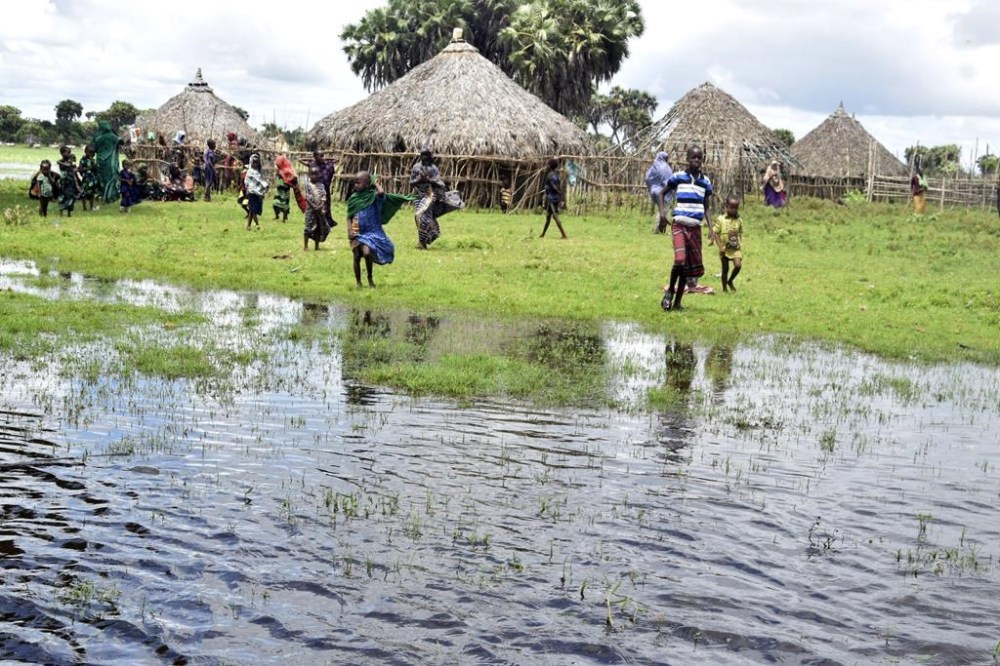
“The national army has sent rescue boats and emergency helicopters to help the people trapped by floods. We are appealing for international help” the National Disaster Management Agency said.
Humanitarian group Save the Children said the town of Beledweyne in central Somalia was completely submerged after the Shabelle River burst its banks, forcing an estimated 250,000 people, or 90% of the population, out of their homes.
The Somali federal government declared a state of emergency last month after extreme weather, exacerbated by the naturally occurring weather phenomenon El Nino, destroyed homes, roads and bridges. A warmer atmosphere because of human-caused climate change can also hold more water, making downpours heavier.
In neighboring Kenya, the Kenya Red Cross Society reported that hundreds of houses were swept away at the coast and in northern Kenya, leading to the deaths of more than 50 people and forcing at least 30,000 people out of their homes.
The counties of Mandera, Wajir and Tana River counties, where expanses of land were under water, were the worst affected. Mandera, which is 20 times bigger than greater London and borders Somalia, is one of Kenya’s poorest areas.
Tana River County Commissioner Mohammed Noor said the situation also was desperate in his region, where the floods have displaced about 7,000 households.
“We have requested urgent assistance from Nairobi … for food airdrops for these people suffering because from Tana River to Garsen, the roads are impassable and we cannot reach many people” Noor said.
Authorities in Ethiopia said that country’s death toll from the floods reached 30 following “unrelenting rainfall in the Gambella, Afar and Somali regions.” They reported that children were among the victims who drowned while trying to flee the flood waters.
Scientists say climate change has made weather extremes — from heat to drought, to floods — worse around the world, including in the Horn of Africa, where just a few months ago, parts of Ethiopia, Kenya, Somalia and South Sudan experienced the worst drought in 40 years following five failed rainy seasons.
___
Follow AP’s climate coverage at https://apnews.com/climate-and-environment