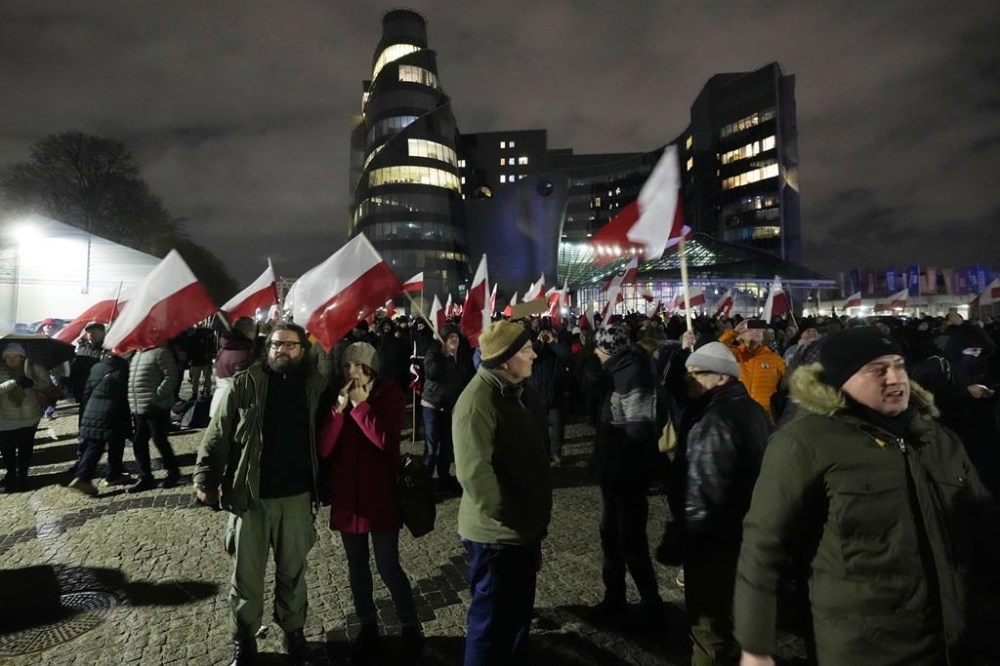
Polish president tangles with new government in battle over control of state media
Advertisement
Read this article for free:
or
Already have an account? Log in here »
To continue reading, please subscribe:

Digital Subscription
One year of digital access for only $205*
- Enjoy unlimited reading on winnipegfreepress.com
- Read the E-Edition, our digital replica newspaper
- Access News Break, our award-winning app
- Play interactive puzzles
*First annual payment billed as $205.00 + GST for one year. This annual subscription will automatically renew at $233.00 + GST every 52 weeks (10% off the regular annual price of $259.35). Offer available to new and qualified returning subscribers only. Cancel any time.
To continue reading, please subscribe:
Add Free Press access to your Brandon Sun subscription for only an additional
$1 for the first 4 weeks*
- Enjoy unlimited reading on winnipegfreepress.com
- Read the E-Edition, our digital replica newspaper
- Access News Break, our award-winning app
- Play interactive puzzles
*Your next Brandon Sun subscription payment will increase by $1.00 and you will be charged $17.95 plus GST for four weeks. After four weeks, your payment will increase to $24.95 plus GST every four weeks.
Read unlimited articles for free today:
or
Already have an account? Log in here »
Hey there, time traveller!
This article was published 27/12/2023 (1006 days ago), so information in it may no longer be current.
WARSAW, Poland (AP) — Poland’s political battle over state media continued on Wednesday as the new pro-European Union government put them in a state of liquidation in response to the president’s rejection of funding for them.
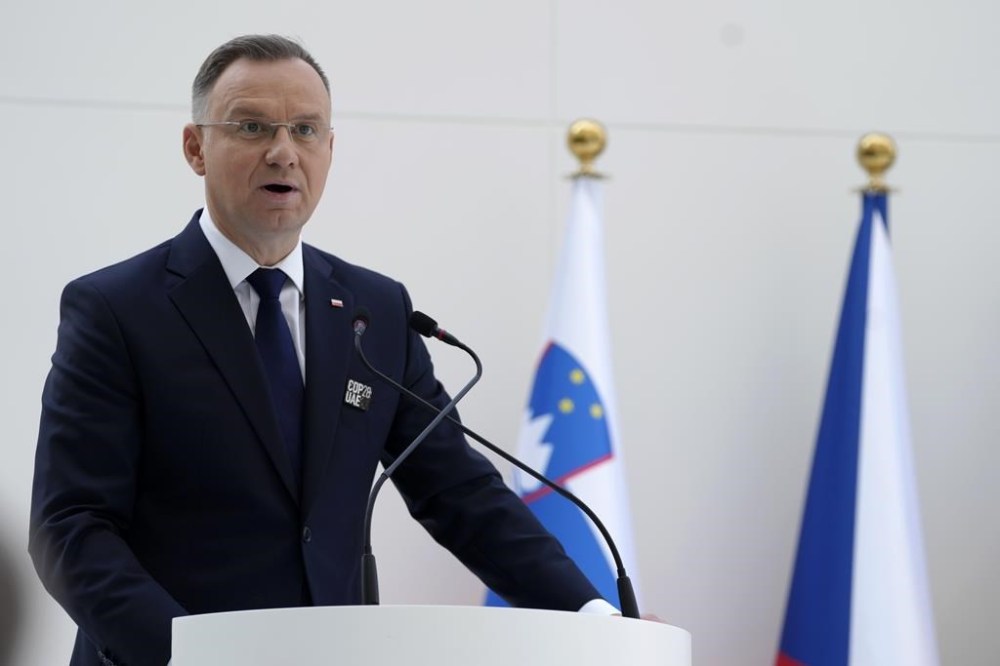
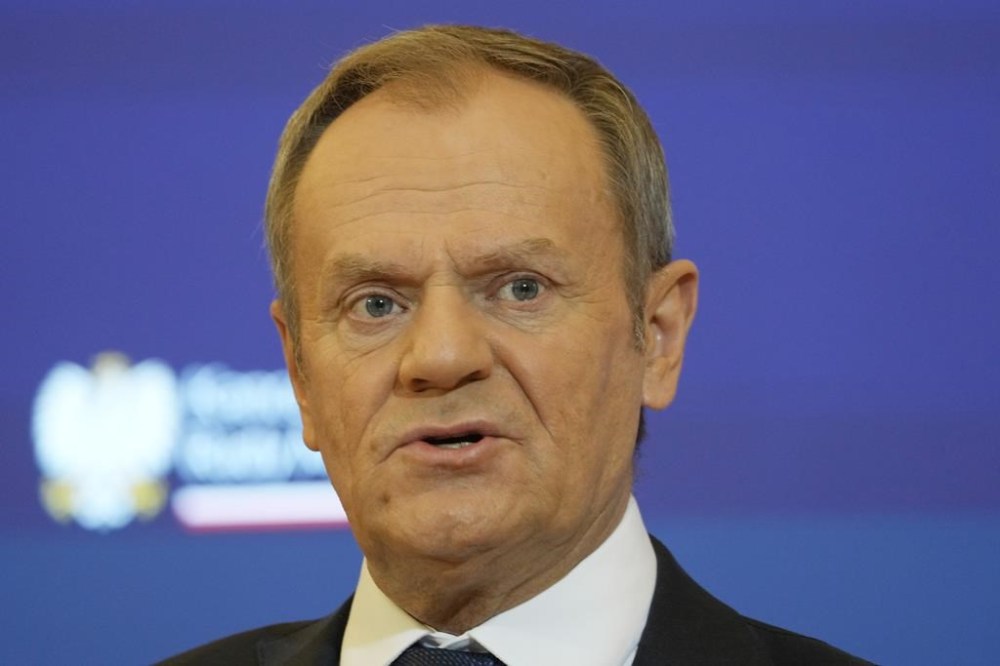
New Prime Minister Donald Tusk seeks to free the media from political control. President Andrzej Duda, an ally of the previous conservative government, vetoed the new government’s bill that provided 3 billion zlotys ($762 million) for the public media. Duda proposed a new bill that strips that funding out.
Liquidation gives the state TV, radio and news agency and their employees more protection from the political dispute, securing their jobs despite the lack of funding and allowing for restructuring. The new government said the lengthy liquidation process can be revoked as needed.
Poland’s state-owned media have become the first battleground between the coalition government of Tusk, a former top EU figure, and the conservative Law and Justice party, which held power for eight years until Dec. 13. Its members and allies retain a presence at state TV, radio and news agency headquarters.
Duda remains in office for another year and a half, and his veto is an early sign of difficulties Tusk is likely to face. Some observers say Law and Justice seeks to maintain control of state media and push its message ahead of local administration and European Parliament elections next year in hopes of regaining some power.
Tusk said his Cabinet would submit a new bill that takes Duda’s views into consideration and shifts the funding in question from state media to children’s health care. He also said untangling the former ruling party’s grip on state media would take time.
“We are sure that our actions are in line with the law,” Tusk told a news conference.

Tusk won power on promises to restore national unity and democratic norms, including through the reform of public media. His government holds 248 seats in the 460-member lower house, or Sejm. Its next session is Jan. 10-11.
Public media in Poland is funded by taxpayers and is required by the constitution to be free of political bias. But critics have accused Law and Justice of using media as a propaganda mouthpiece that has divided the nation by spreading disinformation, xenophobic and homophobic content and seeking to discredit Tusk and other pro-EU politicians.