

US sanctions money network tied to the Yemen Houthi rebels blamed for shipping vessel attacks
Advertisement
Read this article for free:
or
Already have an account? Log in here »
To continue reading, please subscribe:

Digital Subscription
One year of digital access for only $205*
- Enjoy unlimited reading on winnipegfreepress.com
- Read the E-Edition, our digital replica newspaper
- Access News Break, our award-winning app
- Play interactive puzzles
*First annual payment billed as $205.00 + GST for one year. This annual subscription will automatically renew at $233.00 + GST every 52 weeks (10% off the regular annual price of $259.35). Offer available to new and qualified returning subscribers only. Cancel any time.
To continue reading, please subscribe:
Add Free Press access to your Brandon Sun subscription for only an additional
$1 for the first 4 weeks*
- Enjoy unlimited reading on winnipegfreepress.com
- Read the E-Edition, our digital replica newspaper
- Access News Break, our award-winning app
- Play interactive puzzles
*Your next Brandon Sun subscription payment will increase by $1.00 and you will be charged $17.95 plus GST for four weeks. After four weeks, your payment will increase to $24.95 plus GST every four weeks.
Read unlimited articles for free today:
or
Already have an account? Log in here »
Hey there, time traveller!
This article was published 28/12/2023 (1011 days ago), so information in it may no longer be current.
WASHINGTON (AP) — The U.S. on Thursday imposed sanctions on a group of money exchange services from Yemen and Turkey alleged to help provide funding to Iranian-backed Houthi rebels who have been launching attacks on commercial shipping vessels in the southern Red Sea.
Included in the sanctions are the head of a financial intermediary in Sana’a, Yemen, along with three exchange houses in Yemen and Turkey. U.S. Treasury alleges that the people and firms helped transfer millions of dollars to the Houthis at the direction of sanctioned Iranian financial facilitator Sa’id al-Jamal.
The sanctions block access to U.S. property and bank accounts and prevent the targeted people and companies from doing business with Americans.
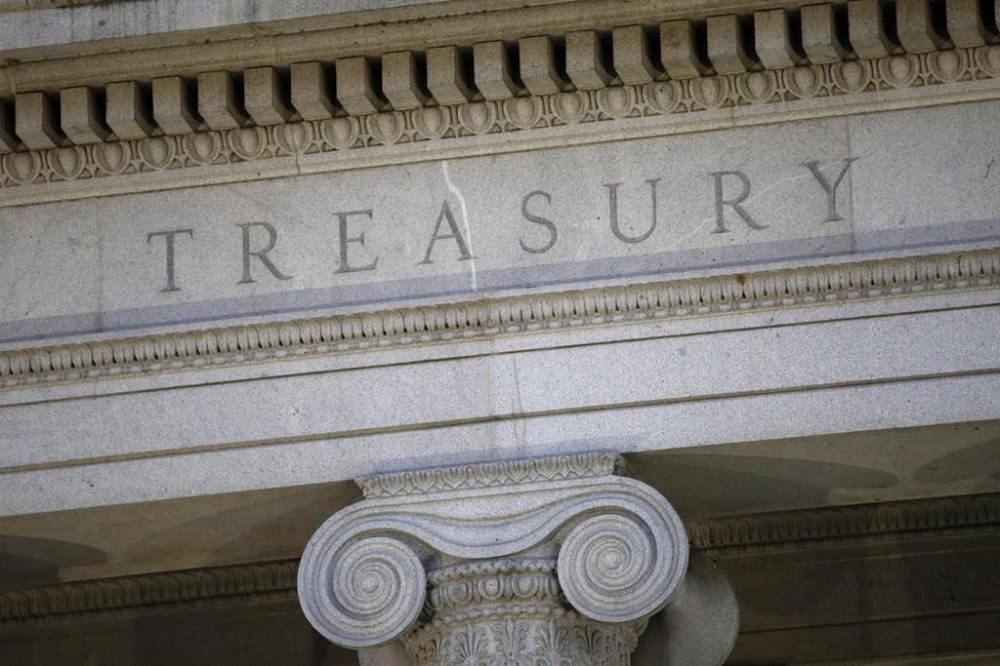
Thursday’s action is the latest round of financial penalties meant to punish the Houthis.
Earlier this month, the U.S. announced sanctions against 13 people and firms alleged to be providing tens of millions of dollars from the sale and shipment of Iranian commodities to the Houthis in Yemen.
Brian E. Nelson, Treasury’s undersecretary for terrorism and financial intelligence, said Thursday’s action “underscores our resolve to restrict the illicit flow of funds to the Houthis, who continue to conduct dangerous attacks on international shipping and risk further destabilizing the region.”
Nelsons said the U.S. and its allies “will continue to target the key facilitation networks that enable the destabilizing activities of the Houthis and their backers in Iran.”
The Houthis have sporadically targeted ships in the region in the past, but the attacks have increased since the start of the war between Israel and Hamas, spiking after an Oct. 17 explosion at a hospital in Gaza killed and injured many. Houthi leaders have insisted Israel is their target.
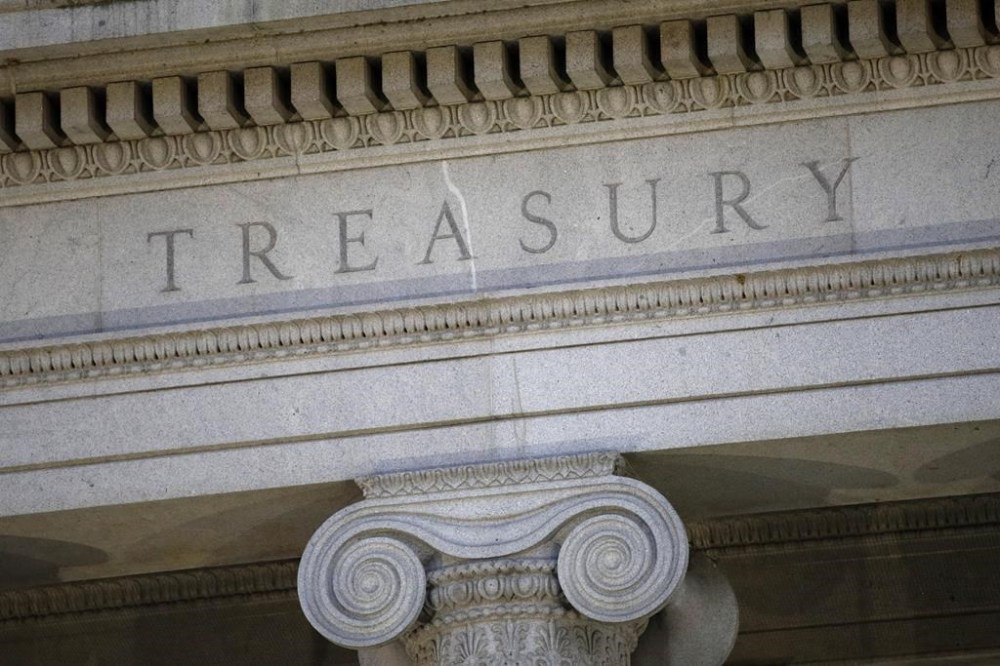
In December, the White House also announced that it was encouraging its allies to join the Combined Maritime Forces, a 39-member partnership that exists to counter malign action by non-state actors in international waters, as it looks to push back against the Houthis.
The attacks on commercial vessels in the Red Sea by Yemen’s Houthi rebels have scared off some of the world’s top shipping companies and oil giants, effectively rerouting global trade away from a crucial artery for consumer goods and energy supplies that is expected to trigger delays and rising prices.

Advertisement Advertise With Us
Advertisement Advertise With Us