

Police defend response, say yellow flag law limited them before Army reservist killed 18 in Maine
Advertisement
Read this article for free:
or
Already have an account? Log in here »
To continue reading, please subscribe:
Monthly Digital Subscription
$1 per week for 24 weeks*
- Enjoy unlimited reading on winnipegfreepress.com
- Read the E-Edition, our digital replica newspaper
- Access News Break, our award-winning app
- Play interactive puzzles
*Billed as $4.00 plus GST every four weeks. After 24 weeks, price increases to the regular rate of $19.95 plus GST every four weeks. Offer available to new and qualified returning subscribers only. Cancel any time.
Monthly Digital Subscription
$4.99/week*
- Enjoy unlimited reading on winnipegfreepress.com
- Read the E-Edition, our digital replica newspaper
- Access News Break, our award-winning app
- Play interactive puzzles
*Billed as $19.95 plus GST every four weeks. Cancel any time.
To continue reading, please subscribe:
Add Free Press access to your Brandon Sun subscription for only an additional
$1 for the first 4 weeks*
*Your next subscription payment will increase by $1.00 and you will be charged $16.99 plus GST for four weeks. After four weeks, your payment will increase to $23.99 plus GST every four weeks.
Read unlimited articles for free today:
or
Already have an account? Log in here »
Hey there, time traveller!
This article was published 24/01/2024 (799 days ago), so information in it may no longer be current.
AUGUSTA, Maine (AP) — Law enforcement officers spoke Thursday of the difficulty in implementing the state’s yellow flag law that allows guns to be confiscated from someone in a mental health crisis, describing a cumbersome and time-consuming process in testimony to an independent commission that is investigating a mass shooting in which an Army reservist killed 18 people.
Deputies said they had been trained about steps to remove guns under the law and that they were limited in what they could do when they received warnings about the reservist’s deteriorating mental health.
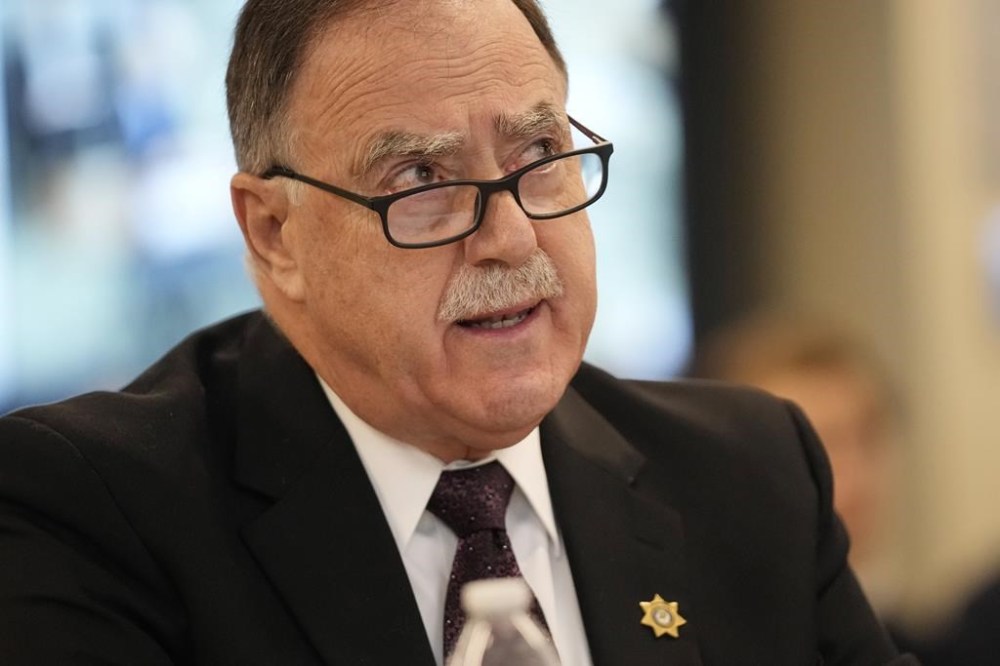
Sagadahoc County Sheriff Joel Merry pointed to the difficulty in balancing public safety versus individual rights.
“There is always after a tragedy an opportunity to wonder if more could have been done. But that analysis must always take into consideration the limitations placed on law enforcement by the law at the time of the event,” Merry said.
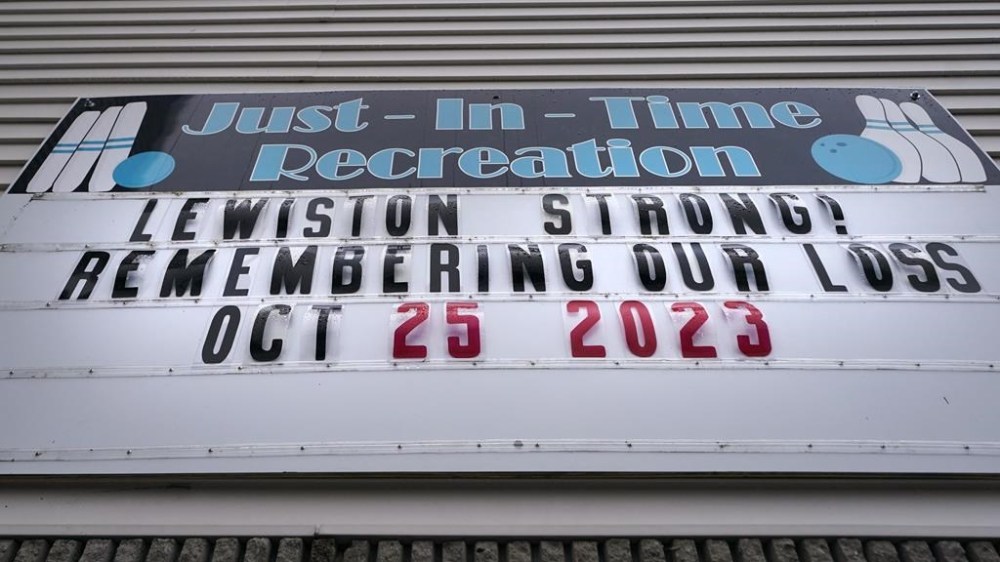
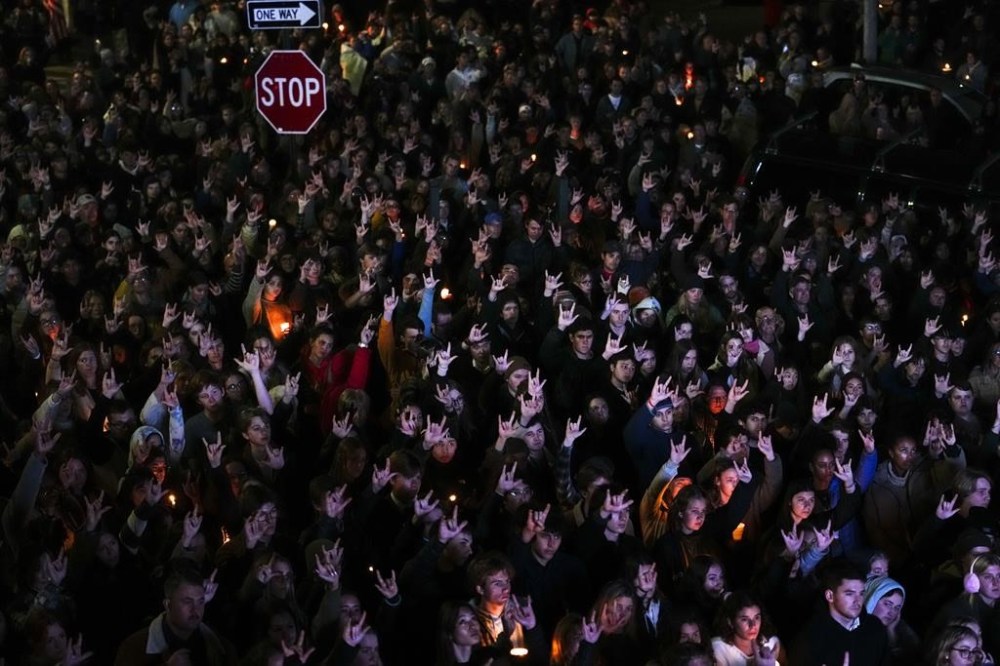
Democratic Maine Gov. Janet Mills and state Attorney General Aaron Frey assembled the commission to review the events that led up to the shootings at a bowling alley and a restaurant in Lewiston on Oct. 25.
Leroy Walker, whose son Joe Walker was killed at Schemengees Bar, said victims’ families have been following the proceedings and hope it yields changes that can prevent future tragedies.
“Everything that they do I think will help us in some way, and we’ll find out information,” Walker said. “A lot of us are sitting back waiting to see what the commission will do for findings and moving forwards.”
The panel’s second public meeting Thursday focused on Sagahadoc County deputies’ responses to warnings about the deteriorating mental health of the gunman, 40-year-old Bowdoin resident Robert Card. Card’s son and ex-wife expressed concerns he was becoming paranoid and erratic in May, and a fellow reservist warned in September that Card was “going to snap and do a mass shooting.”
In between, Card was hospitalized for two weeks for erratic behavior while his Maine-based Army Reserve unit was training in upstate New York and Card was angry at some fellow reservists over his treatment.
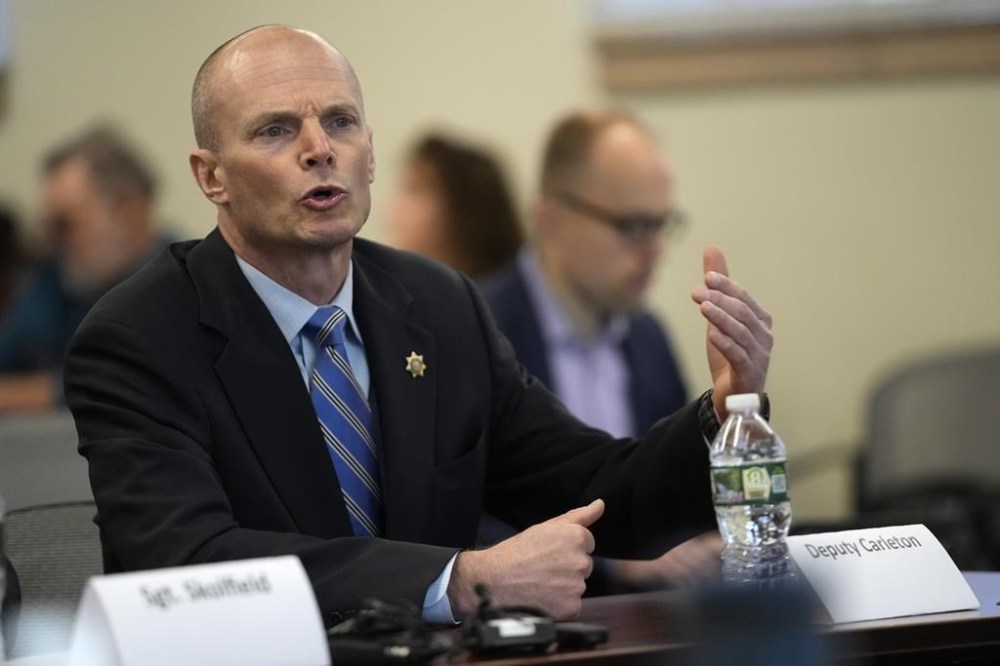
Deputy Chad Carleton, who handled the first report from the family, and Sgt. Aaron Skolfield, who became involved in September, both talked about problems with Maine’s yellow flag law. Carleton described the process as “cumbersome” and said the three requirements for protective custody, medical review and judicial review were time-consuming.
Skolfield, who visited Card’s home for a welfare check, also had concerns about the yellow flag law. But he said he did not go to Card’s home intent on invoking the law’s provisions — even though he acknowledged he was aware of the danger Card could potentially pose.
In the end, he didn’t meet face-to-face with Card, the first requirement to invoke the yellow flag law — something that’s widely viewed by critics including lawyers for victims as a missed opportunity to prevent the shooting.
“I couldn’t get him to the door. I can’t make him open the door. I can’t kick in the door. If I had kicked in the door, that would’ve been a violation of law,” Skolfield told the commissioners.
Card died by a self-inflicted gunshot wound after committing the shootings. The mass shooting he committed was the deadliest in Maine history and has motivated new discussions about gun rights and gun control in a state with one of the highest rates of firearm ownership in the Northeast.
Mills and Frey said Wednesday that they have introduced legislation to grant subpoena authority to the commission as it investigates, a power that commissioners have said they will need.
The legislation “will ensure that the commission has the tools it needs to fully and effectively discharge its critical mission of determining the facts of the tragedy in Lewiston,” they said in a statement.
On Thursday, the sheriff opened the session by pledging to be transparent and to take a critical look at his department’s response and improvements that can be made to prevent a future tragedy.
He also defended his officers, saying they were limited in what they could do during a welfare check and relied on family members and Army Reserve officials to respond to mental health worries without escalating the situation.
After the attempted welfare check in September, Skolfield said he received assurances from the family that it was removing his access to guns and that the Army suggested he let the situation “simmer.” He said he felt comfortable enough about the situation to go on vacation without assigning any fellow deputies to follow up on the matter.
The commission meeting Thursday was chaired by Daniel Wathen, former chief justice of the Maine Supreme Judicial Court. Other members include Debra Baeder, the former chief forensic psychologist for the state, and Paula Silsby, a former U.S. attorney for the District of Maine.
___
Associated Press writer David Sharp in Portland, Maine, contributed to this report.