

Populist Slovak lawmakers back a new law that abolishes an anti-graft prosecutor
Advertisement
Read this article for free:
or
Already have an account? Log in here »
To continue reading, please subscribe:

Digital Subscription
One year of digital access for only $205*
- Enjoy unlimited reading on winnipegfreepress.com
- Read the E-Edition, our digital replica newspaper
- Access News Break, our award-winning app
- Play interactive puzzles
*First annual payment billed as $205.00 + GST for one year. This annual subscription will automatically renew at $233.00 + GST every 52 weeks (10% off the regular annual price of $259.35). Offer available to new and qualified returning subscribers only. Cancel any time.
To continue reading, please subscribe:
Add Free Press access to your Brandon Sun subscription for only an additional
$1 for the first 4 weeks*
- Enjoy unlimited reading on winnipegfreepress.com
- Read the E-Edition, our digital replica newspaper
- Access News Break, our award-winning app
- Play interactive puzzles
*Your next Brandon Sun subscription payment will increase by $1.00 and you will be charged $17.95 plus GST for four weeks. After four weeks, your payment will increase to $24.95 plus GST every four weeks.
Read unlimited articles for free today:
or
Already have an account? Log in here »
Hey there, time traveller!
This article was published 08/02/2024 (927 days ago), so information in it may no longer be current.
BRATISLAVA, Slovakia (AP) — Lawmakers for the new coalition government of populist Prime Minister Robert Fico voted Thursday to amend the penal code and eliminate the office of the special prosecutor that deals with major crime and corruption.
The legislation faced sharp criticism at home and abroad.
Thousands of Slovaks repeatedly took to the streets in protests that started two months ago and have spread from the capital, Bratislava, to more than 30 cities and towns and even abroad.
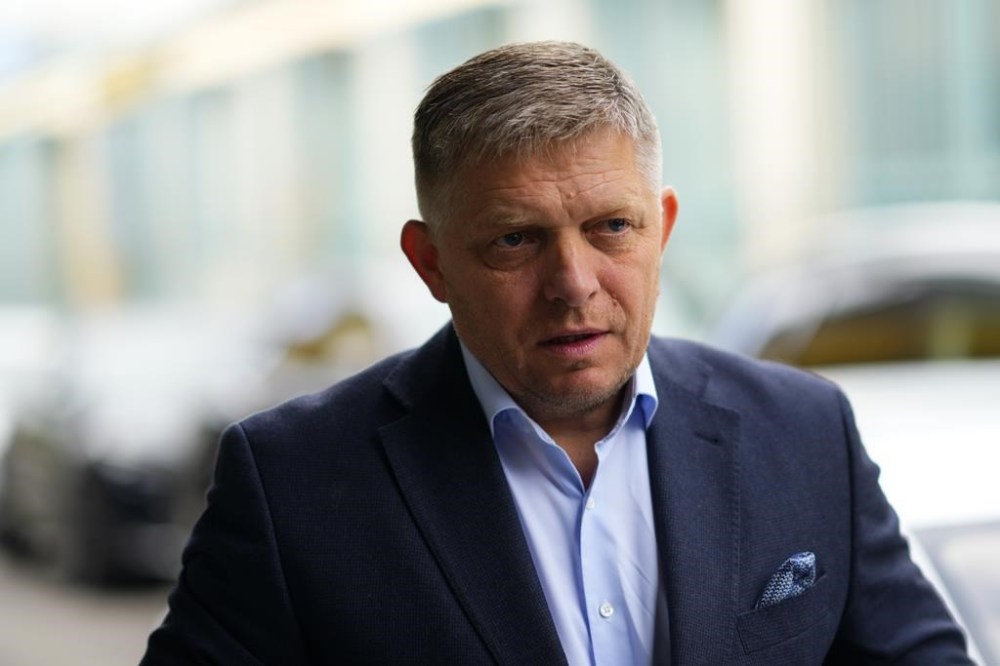
In the 150-seat Parliament known as the National Council, 78 lawmakers voted in favor of the plan that includes abolishing the special prosecutors’ office, which handles serious crimes such as graft, organized crime and extremism.
Those cases would be taken over by prosecutors in regional offices, which haven’t dealt with such crimes for 20 years.
The planned changes also include a reduction in punishments for corruption and some other crimes, including the possibility of suspended sentences, and a significant shortening of the statute of limitations.
President Zuzana Čaputová warned the changes jeopardize the rule of law and could cause “unpredictable” damage to society.
Čaputová said she was ready to veto the amendment and bring a constitutional challenge if the ruling three-party coalition overrides her veto. The opposition parties also plan a challenge.
The European Parliament has also questioned Slovakia’s ability to fight corruption if the changes are adopted. The European Public Prosecutor’s Office has said Slovakia’s plans threaten the protection of the EU’s financial interests and its anti-corruption framework.
The ruling coalition pushed the changes through using a fast-track parliamentary procedure, meaning the draft legislation was not reviewed by experts and others usually involved in the process. The coalition also limited the time for parliamentary debate.
A number of people linked to the prime minister’s party face prosecution in corruption scandals.
Fico returned to power for the fourth time last year after his leftist party Smer (Direction) won Sept. 30 parliamentary elections on a pro-Russia and anti-American platform.
Fico, who ended the country’s military aid for Ukraine, joined forces with another leftist group Hlas or Voice and the ultranationalist Slovak National Party, a major pro-Russian force in Slovakia, to form a majority government.
His critics worry Slovakia could abandon its pro-Western course and follow the direction of Hungary under Prime Minister Viktor Orbán.