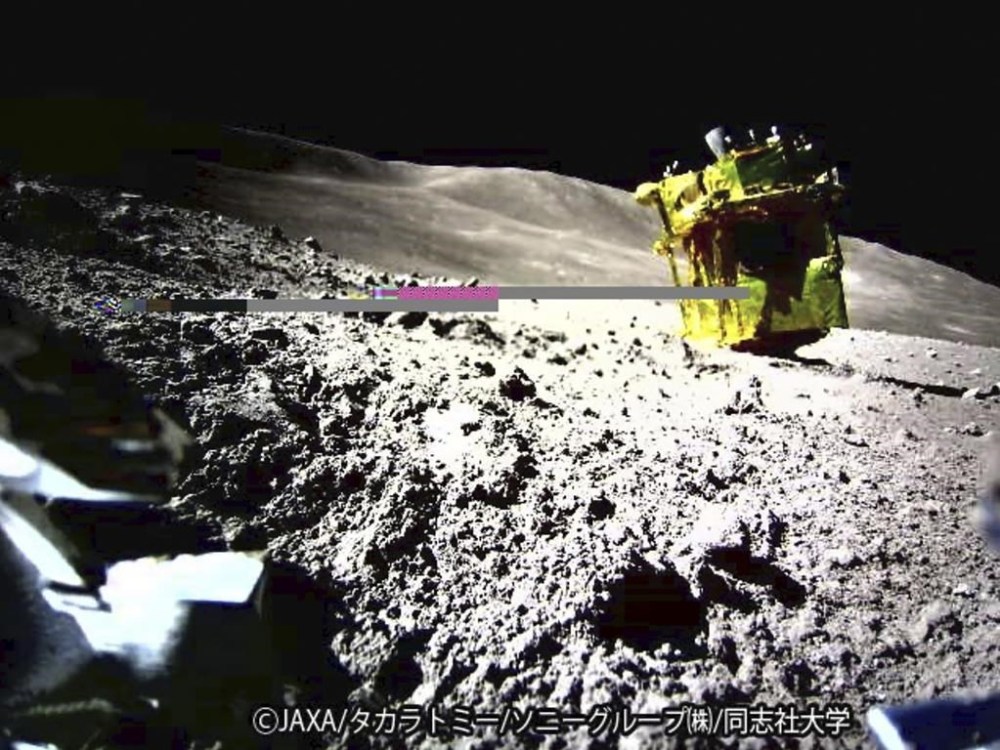
Japan’s moon lander survives a second weekslong lunar night, beating predictions
Advertisement
Read this article for free:
or
Already have an account? Log in here »
To continue reading, please subscribe:
Monthly Digital Subscription
$1 per week for 24 weeks*
- Enjoy unlimited reading on winnipegfreepress.com
- Read the E-Edition, our digital replica newspaper
- Access News Break, our award-winning app
- Play interactive puzzles
*Billed as $4.00 plus GST every four weeks. After 24 weeks, price increases to the regular rate of $19.95 plus GST every four weeks. Offer available to new and qualified returning subscribers only. Cancel any time.
Monthly Digital Subscription
$4.99/week*
- Enjoy unlimited reading on winnipegfreepress.com
- Read the E-Edition, our digital replica newspaper
- Access News Break, our award-winning app
- Play interactive puzzles
*Billed as $19.95 plus GST every four weeks. Cancel any time.
To continue reading, please subscribe:
Add Free Press access to your Brandon Sun subscription for only an additional
$1 for the first 4 weeks*
*Your next subscription payment will increase by $1.00 and you will be charged $16.99 plus GST for four weeks. After four weeks, your payment will increase to $23.99 plus GST every four weeks.
Read unlimited articles for free today:
or
Already have an account? Log in here »
Hey there, time traveller!
This article was published 26/02/2024 (755 days ago), so information in it may no longer be current.
TOKYO (AP) — Japan’s first moon lander responded to a signal from Earth, suggesting it has survived a second freezing weekslong lunar night, Japan’s space agency said Monday.
JAXA called the signal, received late Sunday night, a “miracle” because the probe was not designed to survive the lunar night, when temperatures can fall to minus 170 degrees Celsius (minus 274 degrees Fahrenheit).
The craft, Smart Lander for Investigating Moon, or SLIM, made a “pinpoint” touchdown on Jan. 20, making Japan became the fifth country to successfully place a probe on the moon.
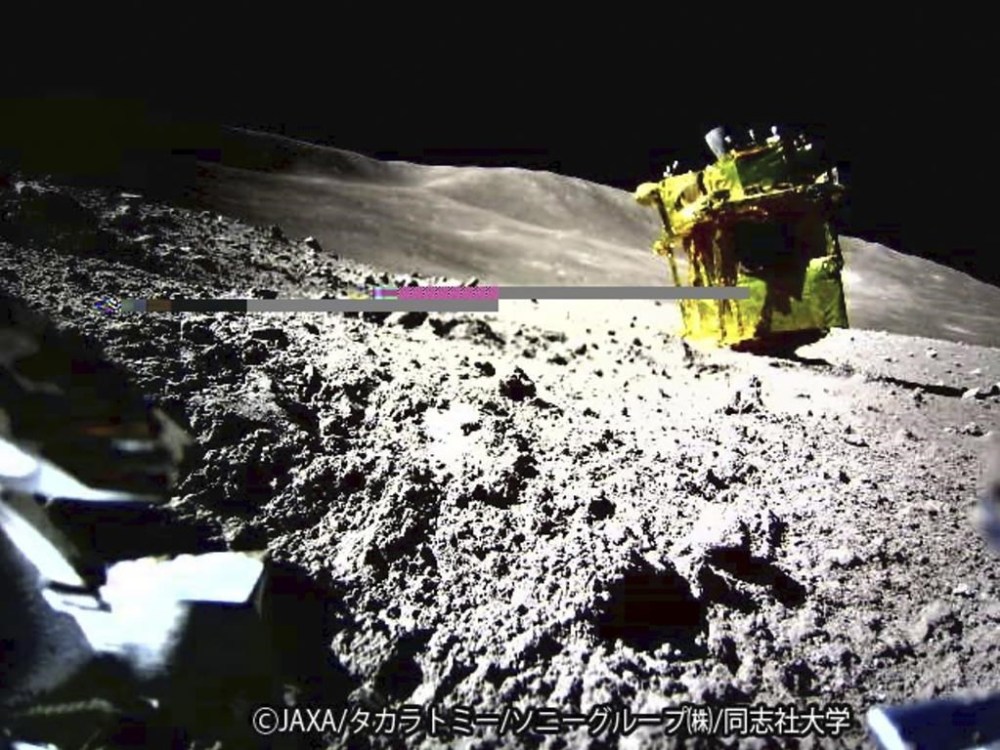
But the probe landed the wrong way up, with its solar panels initially unable to see the sun and had to be turned off within hours.
SLIM regained power on the eighth day after its landing, when it got the sun. For several days, SLIM collected geological data from moon rocks, before going back into hibernation in late January to wait out another lunar night.
JAXA said Sunday’s communication was kept short because it was still “lunar midday” and SLIM was at a very high temperature, about 100 Celsius (212 Fahrenheit). JAXA is now preparing to make contact again when the vehicle has cooled.
Scientists are hoping to find clues about the origin of the moon by the comparing mineral compositions of moon rocks and those of Earth.