

Judge dismisses suit by Georgia slave descendants over technical errors. Lawyers vow to try again
Advertisement
Read this article for free:
or
Already have an account? Log in here »
To continue reading, please subscribe:

Digital Subscription
One year of digital access for only $205*
- Enjoy unlimited reading on winnipegfreepress.com
- Read the E-Edition, our digital replica newspaper
- Access News Break, our award-winning app
- Play interactive puzzles
*First annual payment billed as $205.00 + GST for one year. This annual subscription will automatically renew at $233.00 + GST every 52 weeks (10% off the regular annual price of $259.35). Offer available to new and qualified returning subscribers only. Cancel any time.
To continue reading, please subscribe:
Add Free Press access to your Brandon Sun subscription for only an additional
$1 for the first 4 weeks*
- Enjoy unlimited reading on winnipegfreepress.com
- Read the E-Edition, our digital replica newspaper
- Access News Break, our award-winning app
- Play interactive puzzles
*Your next Brandon Sun subscription payment will increase by $1.00 and you will be charged $17.95 plus GST for four weeks. After four weeks, your payment will increase to $24.95 plus GST every four weeks.
Read unlimited articles for free today:
or
Already have an account? Log in here »
Hey there, time traveller!
This article was published 13/03/2024 (929 days ago), so information in it may no longer be current.
SAVANNAH, Ga. (AP) — A Georgia judge has thrown out a lawsuit accusing local officials of race discrimination when they approved zoning changes to one of the South’s last Gullah-Geechee communities of Black slave descendants.
Superior Court Judge Jay Stewart ruled the civil complaint had to be dismissed because of technical errors unrelated to the rights violations it alleged. His order allows the Southern Poverty Law Center to file a new version of the lawsuit on behalf of residents of the tiny island community of Hogg Hummock.
“Under Georgia law, we are permitted to refile within six months, and we plan to file an amended verified complaint,” Miriam Gutman, a lawyer for the residents, said in a statement Wednesday.
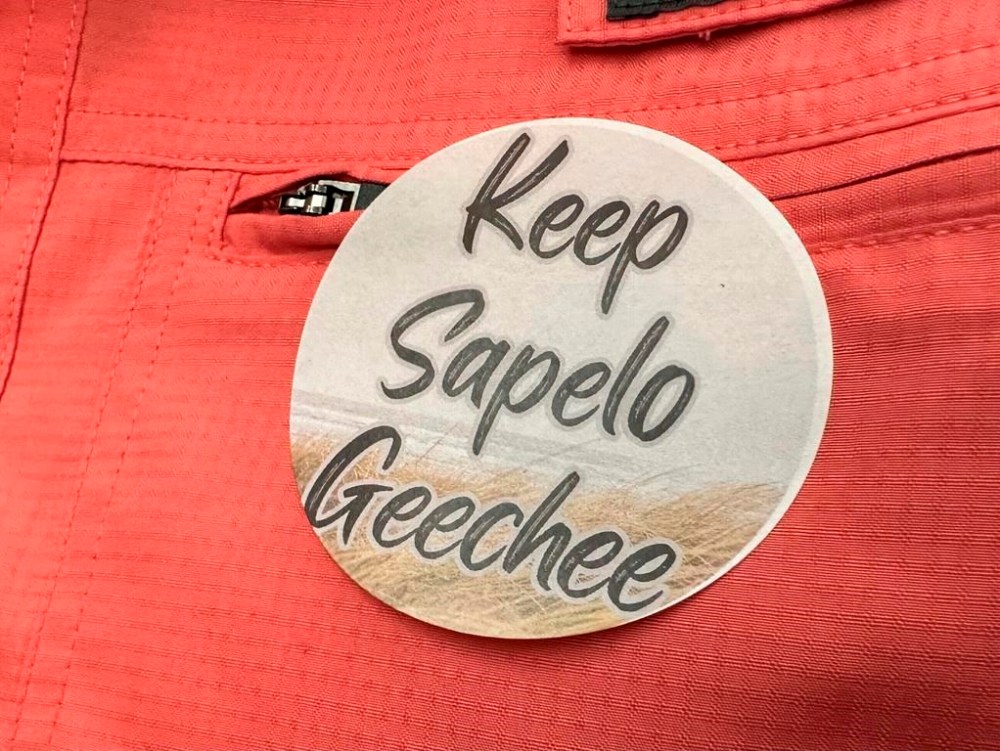
Residents and landowners sued in October after elected commissioners in coastal McIntosh County voted to weaken zoning restrictions that for decades helped protect their enclave of modest homes along dirt roads on largely unspoiled Sapelo Island.
The zoning changes doubled the size of houses allowed in Hogg Hummock. Residents say that will lead to property tax increases that they won’t be able to afford, possibly forcing them to sell land their families have held for generations. Their lawsuit asked a judge to declare that the new law discriminates “on the basis of race, and that it is therefore unconstitutional, null, and void.”
Stewart’s legal order Tuesday didn’t address the merits of the discrimination claims. Instead, he agreed with McIntosh County’s attorneys that the lawsuit clashed with a 2020 amendment to Georgia’s state constitution that weakened the broad immunity from lawsuits granted to the state and local governments.
While that amendment enabled citizens to sue Georgia governments for illegal acts, it also stated that such lawsuits could no longer list individual government officers as defendants.
The lawsuit filed on behalf of Hogg Hummock residents not only named McIntosh County as a defendant but also its five individual commissioners.
“While McIntosh County is pleased with the Judge’s ruling, we believe it appropriate to withhold further comment at this time,” Ken Jarrard, an attorney for county officials, said in an email.
The judge denied a request by the residents’ lawyers to amend their lawsuit by dropping the commissioners as defendants to avoid completely starting over. But he dismissed the case “without prejudice,” meaning attorneys will be allowed to file a new version naming only McIntosh County.
Hogg Hummock, also known as Hog Hammock, sits on less than a square mile (2.6 square kilometers) on Sapelo Island, about 60 miles (95 kilometers) south of Savannah. Reachable only by boat, the island is mostly owned by the state of Georgia.
About 30 to 50 Black residents still live in Hogg Hummock, founded by former slaves who had worked the island plantation of Thomas Spalding. Descendants of enslaved island populations in the South became known as Gullah, or Geechee in Georgia. Their long separation from the mainland meant they retained much of their African heritage.
The residents’ lawsuit accused McIntosh County of targeting a mostly poor, Black community to benefit wealthy, white land buyers and developers. It also said the county violated Georgia laws governing zoning procedures and public meetings as well as residents’ constitutional rights to due process and equal protection.
McIntosh County officials denied wrongdoing in a legal response filed in court. When commissioners approved the zoning changes for Sapelo Island in September, they insisted their intent wasn’t to harm Hogg Hummock or change its culture.
Outside of court, Hogg Hummock residents have been gathering petition signatures in hopes of forcing a special election that could give McIntosh County voters a chance to override the zoning changes.