

Black lawmakers in South Carolina say they were left out of writing anti-discrimination bill
Advertisement
Read this article for free:
or
Already have an account? Log in here »
To continue reading, please subscribe:

Digital Subscription
One year of digital access for only $205*
- Enjoy unlimited reading on winnipegfreepress.com
- Read the E-Edition, our digital replica newspaper
- Access News Break, our award-winning app
- Play interactive puzzles
*First annual payment billed as $205.00 + GST for one year. This annual subscription will automatically renew at $233.00 + GST every 52 weeks (10% off the regular annual price of $259.35). Offer available to new and qualified returning subscribers only. Cancel any time.
To continue reading, please subscribe:
Add Free Press access to your Brandon Sun subscription for only an additional
$1 for the first 4 weeks*
- Enjoy unlimited reading on winnipegfreepress.com
- Read the E-Edition, our digital replica newspaper
- Access News Break, our award-winning app
- Play interactive puzzles
*Your next Brandon Sun subscription payment will increase by $1.00 and you will be charged $17.95 plus GST for four weeks. After four weeks, your payment will increase to $24.95 plus GST every four weeks.
Read unlimited articles for free today:
or
Already have an account? Log in here »
Hey there, time traveller!
This article was published 28/03/2024 (918 days ago), so information in it may no longer be current.
COLUMBIA, S.C. (AP) — The South Carolina House has passed a bill to restrict diversity, equity and inclusion initiatives at public colleges and universities over the objections of Black lawmakers who said they weren’t included in crafting the proposal.
The House’s most conservative wing celebrated the bill passing 84-30 on Wednesday after Republicans voted to limit debate and prevent lawmakers from proposing any more changes.
Democrats said the initiatives commonly called DEI are necessary to make sure schools meet the needs of increasingly diverse student populations — and they called the bill another stand-in for fears of a woke bogeyman. Republicans said DEI programs try to solve problems caused by discrimination with more discrimination.
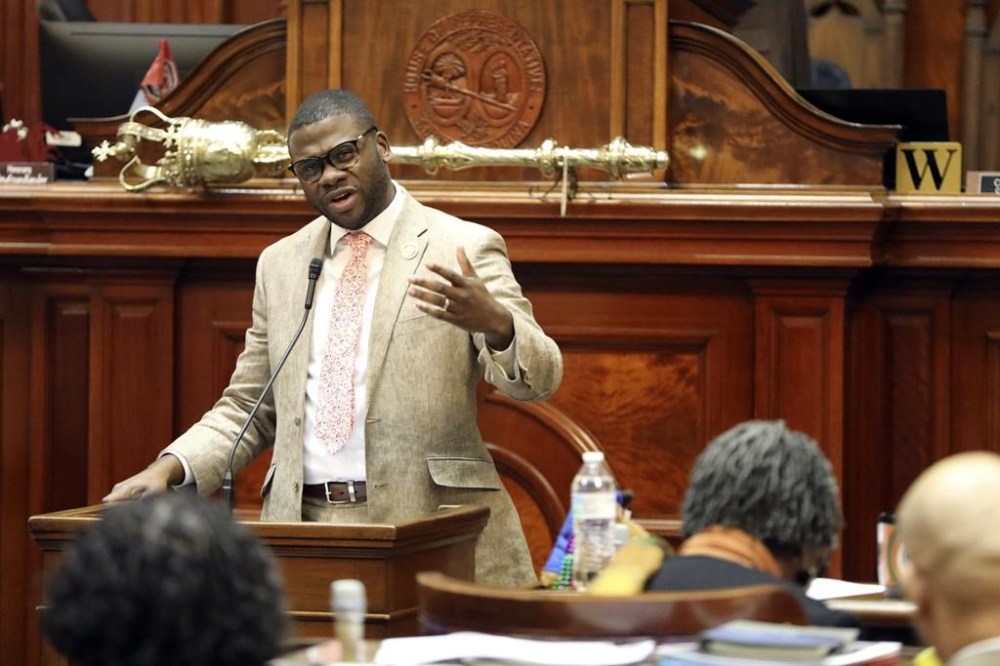
“Everyone can be treated equally regardless of their background or their beliefs in the state of South Carolina,” said the primary sponsor of the bill Republican Rep. Tim McGinnis of Myrtle Beach.
But Black House members like Rep. Leon Howard said it’s absurd to develop a bill that says everyone will be treated equally without including representation from the people it targets.
“We had no Black people involved in crafting this legislation so y’all don’t know how we feel today. We feel some kind of way about that. We feel offended about that,” said Howard, who has been in the House since 1995.
The Democrat owns his family’s 70-year-old towing business and said he knows racism firsthand as bankers didn’t mind financing a car but balked at signing loans for tow trucks because that could take money out of white businessmen’s pockets.
Howard rose to speak after a speech from Republican Rep. Adam Morgan of Taylors, whose highly conservative Freedom Caucus of about 16 members pushed for the bill after failing to remove state funding for what his group said were DEI projects.
“Discrimination was wrong in the past and it’s wrong in the present,” said Morgan, who is running for a U.S. House seat.
The bill bans colleges from considering DEI factors when deciding which students to accept or which people to hire. The bill does not define DEI.
The proposal allows universities to keep their DEI programs, but they will have to report to the General Assembly on how much they cost and how they resolved any complaints about them. It promises not to interfere with a school’s applications for grants or accreditation, which sometimes require statements of compliance with federal anti-discrimination laws.
But just the idea of this bill will likely stifle discussions of diverse viewpoints and the continuing discrimination that shapes life in the U.S. today, said Democratic Rep. Kambrell Garvin of Blythewood, who is a lawyer and a former teacher.
“What this bill does is strangle any concept of diversity. It strangles the freedom to learn and teach. We refuse to stand by and simply accept that,” Garvin said.
The proposal faces an uncertain future in the Senate. There are only six weeks left in the General Assembly’s session and two of them will be taken up debating the state’s $13.2 billion budget.
In statehouses across the U.S., Republicans and Democrats have been pushing opposing definitions of fairness and opportunity in education and state workplaces.
Democratic lawmakers in more than a dozen states are promoting more than 30 measures this year to require greater consideration of diversity, equity and inclusion. Republican state lawmakers have countered with more than 60 measures to prohibit or restrict it, according to an Associated Press analysis using the bill tracking software Plural.