

Civil rights icon Malcolm X gets a day of recognition in Nebraska, where he was born in 1925
Advertisement
Read this article for free:
or
Already have an account? Log in here »
To continue reading, please subscribe:

Digital Subscription
One year of digital access for only $205*
- Enjoy unlimited reading on winnipegfreepress.com
- Read the E-Edition, our digital replica newspaper
- Access News Break, our award-winning app
- Play interactive puzzles
*First annual payment billed as $205.00 + GST for one year. This annual subscription will automatically renew at $233.00 + GST every 52 weeks (10% off the regular annual price of $259.35). Offer available to new and qualified returning subscribers only. Cancel any time.
To continue reading, please subscribe:
Add Free Press access to your Brandon Sun subscription for only an additional
$1 for the first 4 weeks*
- Enjoy unlimited reading on winnipegfreepress.com
- Read the E-Edition, our digital replica newspaper
- Access News Break, our award-winning app
- Play interactive puzzles
*Your next Brandon Sun subscription payment will increase by $1.00 and you will be charged $17.95 plus GST for four weeks. After four weeks, your payment will increase to $24.95 plus GST every four weeks.
Read unlimited articles for free today:
or
Already have an account? Log in here »
Hey there, time traveller!
This article was published 28/03/2024 (903 days ago), so information in it may no longer be current.
LINCOLN, Neb. (AP) — Malcolm X has garnered the recognition many have sought for his contributions to the civil rights movement in the conservative Midwest state where he was born, after years of being rejected as too controversial to be honored.
The Nebraska Legislature on Thursday passed a bill to recognize the civil rights icon every May 19, the day Malcolm X was born Malcolm Little in Omaha, Nebraska, in 1925. The legislation falls short of declaring the day a state holiday, which was introduced in a bill by Omaha Sen. Terrell McKinney — one of two Black members of the Nebraska Legislature. McKinney’s bill failed to gain traction mainly because of objections to the projected cost of more than $500,000 a year to declare a state holiday. That cost comes from holiday pay for state workers.
Instead, McKinney added an amendment to a bill that declares Oct. 17 as Missing Persons Day. The amendment recognizes May 19 as El-Hajj Malik El-Shabazz, Malcolm X Day, to allow Nebraska schools to hold exercises to recognize the civil rights icon.
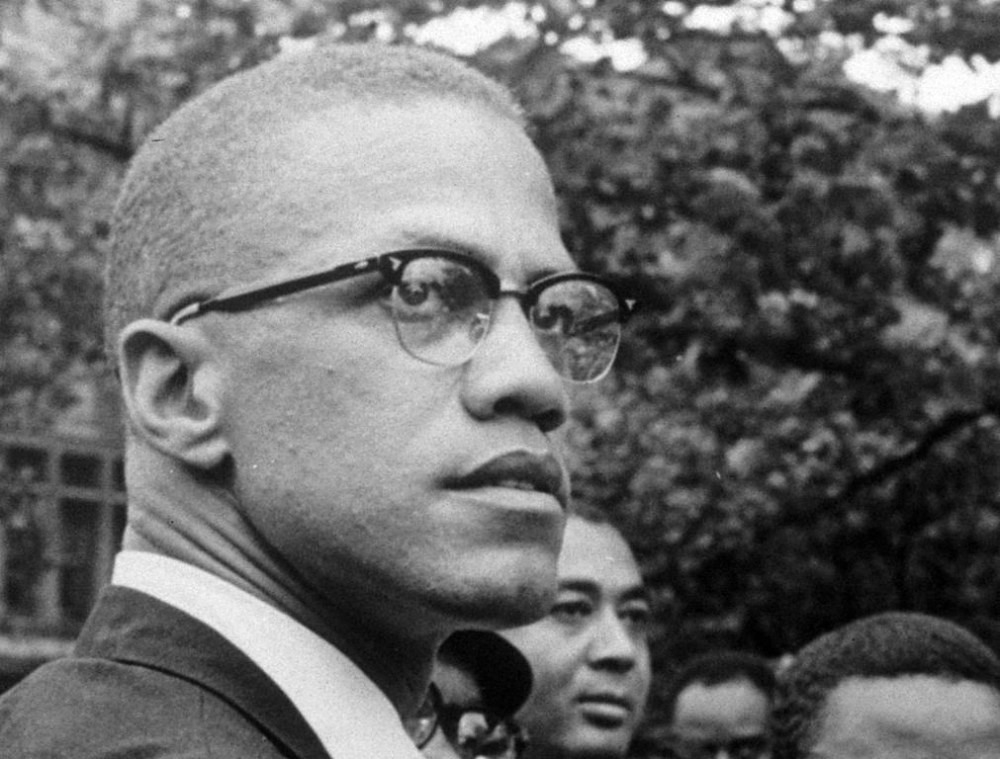
The day of recognition comes in the same year that a ceremony will be held in May to observe Malcolm X’s induction into the Nebraska Hall of Fame. During that ceremony, a bronze bust created by Lincoln artist Nathan Murray will be unveiled and displayed among the busts of other inductees in the halls of the Nebraska State Capitol.
“Malcolm X is one of the most fundamentally misunderstood people in American history,” McKinney said last year during a committee hearing on his bill. “And perhaps the stigma around him would be extinguished if his achievements and contributions were recognized.”
Malcolm X was selected last year as the newest inductee into the Nebraska Hall of Fame, making him the state’s first Black honoree. His selection came 15 years after being rejected as too controversial.
Born the son of a Baptist preacher, Malcolm Little was still a baby when he and his family left for Milwaukee after threats from the Ku Klux Klan.
At 20, he was convicted of burglary in Boston and sentenced to nearly seven years in prison, where he converted to Islam and later changed his name. He emerged as a fiery Nation of Islam minister with a message that Black people should cast off white oppression “by any means necessary,” before later splitting from the Nation of Islam and renouncing racial separatism.
He was assassinated in Manhattan’s Audubon Ballroom by gunmen who opened fire during a speaking engagement.
The firebrand was first nominated for Nebraska’s Hall of Fame in 2004, but passed over by a commission made up solely of white men who instead selected a mid-1900s U.S. senator who made a name for himself with his campaign to remove gay men from government posts in the 1940s and 1950s. The pick of Sen. Kenneth Wherry was later nixed because of an open-meetings violation.
Malcolm X was passed over again in 2007 for little-known botanist Charles Bessey.