Serbia says it’s close to a deal to buy French-made fighter jets. That would be a shift from Russia
Advertisement
Read this article for free:
or
Already have an account? Log in here »
To continue reading, please subscribe:

Digital Subscription
One year of digital access for only $205*
- Enjoy unlimited reading on winnipegfreepress.com
- Read the E-Edition, our digital replica newspaper
- Access News Break, our award-winning app
- Play interactive puzzles
*First annual payment billed as $205.00 + GST for one year. This annual subscription will automatically renew at $233.00 + GST every 52 weeks (10% off the regular annual price of $259.35). Offer available to new and qualified returning subscribers only. Cancel any time.
To continue reading, please subscribe:
Add Free Press access to your Brandon Sun subscription for only an additional
$1 for the first 4 weeks*
- Enjoy unlimited reading on winnipegfreepress.com
- Read the E-Edition, our digital replica newspaper
- Access News Break, our award-winning app
- Play interactive puzzles
*Your next Brandon Sun subscription payment will increase by $1.00 and you will be charged $17.95 plus GST for four weeks. After four weeks, your payment will increase to $24.95 plus GST every four weeks.
Read unlimited articles for free today:
or
Already have an account? Log in here »
Hey there, time traveller!
This article was published 09/04/2024 (904 days ago), so information in it may no longer be current.
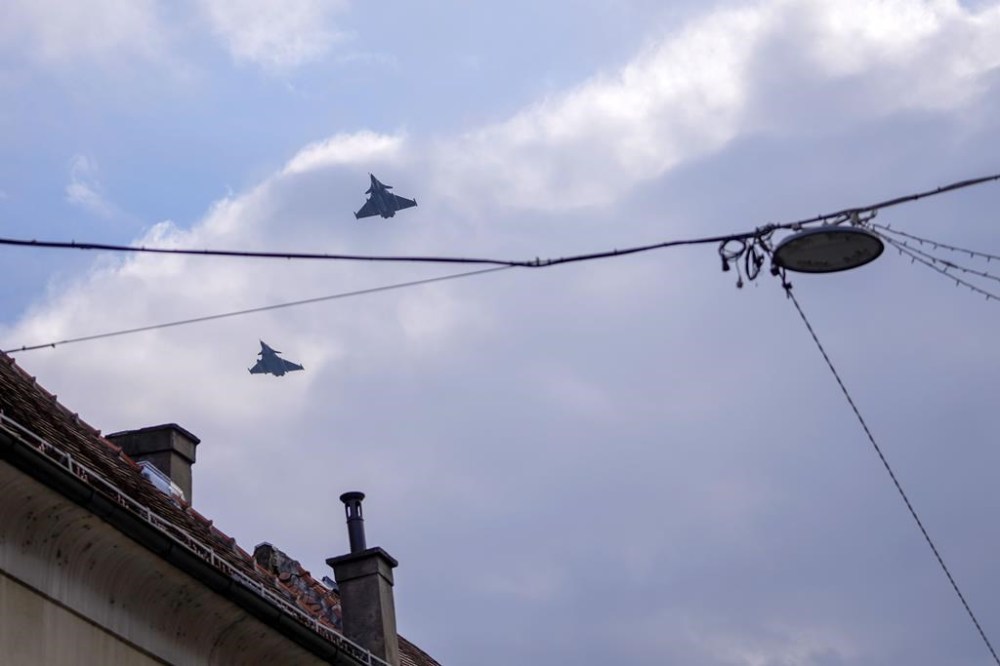
BELGRADE, Serbia (AP) — Serbia is close to signing a deal on the purchase of 12 French Rafale multi-purpose fighter jets, the Serbian president announced Tuesday, in what would mark a shift from its traditional military supplier Russia.
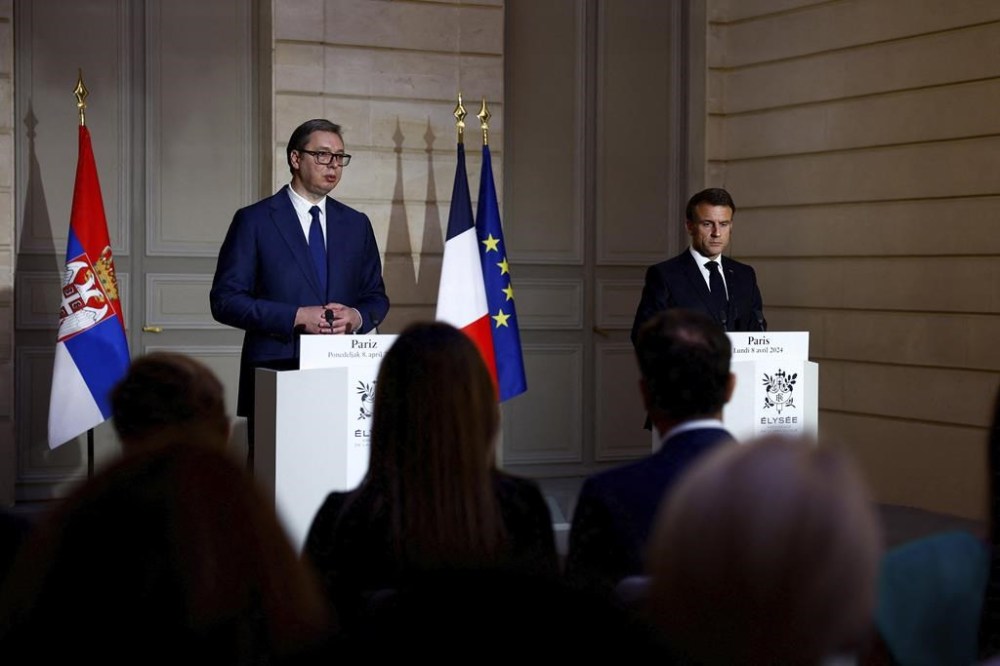
President Aleksandar Vucic spoke during his two-day visit to Paris and talks with French President Emmanuel Macron as well as French defense officials, including Rafale manufacturer Dassault Aviation.
Vucic said that he had a very good conversation with Macron on Monday night, which lasted more than three hours, and that they “reached concrete agreements regarding the purchase of the Rafale fighter jets.”
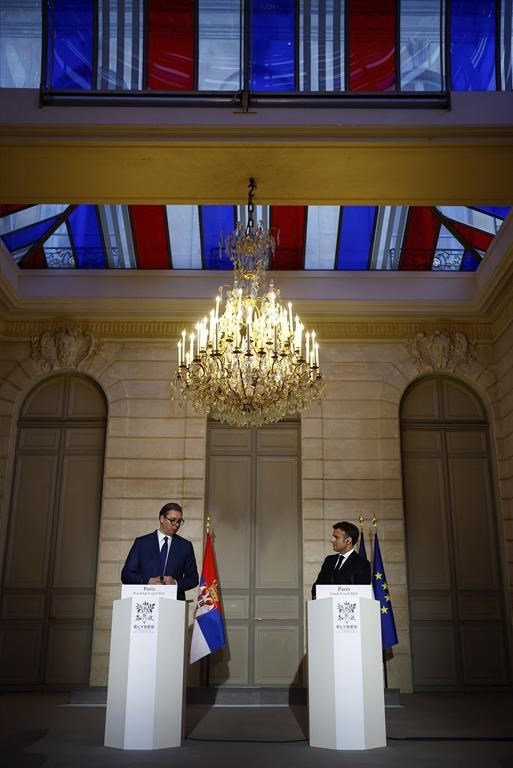
He said contracts will be signed in the next two months in Macron’s presence, adding that the purchase of the sophisticated jets will drastically widen military and other cooperation between the two states.
Financial details of the potential deal have not been announced, but the pro-government Serbian media estimated it at about 3 billion euros ($3.2 billion) for the whole package.
Serbia has been considering the purchase of the new Rafale jets for more than two years, since neighboring Balkan rival Croatia purchased 12 used fighter jets of the same type for about 1 billion euros.
The potential acquisition of Rafale jets would allow Serbia to modernize its air force, which consisting mainly of Soviet-made MiG-29 fighters as well as aging Yugoslav combat aircraft.
Russia has been a traditional supplier of military aircraft, including combat helicopters, to Serbia, which has refused to join international sanctions against Moscow for its invasion of Ukraine.
The rapid arming by the Serbian military has been worrying some of its neighbors following the bloody breakup of the former Yugoslavia in the 1990s. Serbia, a European Union candidate, is almost completely surrounded by NATO member countries.
Critics of the Western arming of Serbia say the sale of sophisticated French jets could encourage Vucic to possibly intervene militarily in neighboring Kosovo, a former Serbian province that declared independence in 2008, which Serbia does not recognize. The populist Serb leader has made several such veiled threats in recent months.
During his talks with Macron in Paris, the two also discussed the simmering tensions in Kosovo as well cooperation in the field of nuclear technology and possible construction of a nuclear power plant in Serbia.