

A neglected burial ground for migrants on Greek island of Lesbos has been given a drastic overhaul
Advertisement
Read this article for free:
or
Already have an account? Log in here »
To continue reading, please subscribe:

Digital Subscription
One year of digital access for only $205*
- Enjoy unlimited reading on winnipegfreepress.com
- Read the E-Edition, our digital replica newspaper
- Access News Break, our award-winning app
- Play interactive puzzles
*First annual payment billed as $205.00 + GST for one year. This annual subscription will automatically renew at $233.00 + GST every 52 weeks (10% off the regular annual price of $259.35). Offer available to new and qualified returning subscribers only. Cancel any time.
To continue reading, please subscribe:
Add Free Press access to your Brandon Sun subscription for only an additional
$1 for the first 4 weeks*
- Enjoy unlimited reading on winnipegfreepress.com
- Read the E-Edition, our digital replica newspaper
- Access News Break, our award-winning app
- Play interactive puzzles
*Your next Brandon Sun subscription payment will increase by $1.00 and you will be charged $17.95 plus GST for four weeks. After four weeks, your payment will increase to $24.95 plus GST every four weeks.
Read unlimited articles for free today:
or
Already have an account? Log in here »
Hey there, time traveller!
This article was published 17/04/2024 (897 days ago), so information in it may no longer be current.
LESBOS, Greece (AP) — Most drowned making the hazardous sea crossing from nearby Turkey, while others died of natural causes in migrant camps on the Greek island of Lesbos.
After years of neglect, a makeshift burial ground for migrants on the island has been cleaned up and landscaped to provide a dignified resting place for the dead, and for their relatives to visit.
Earth Medicine, the Lesbos-based charity that handled the project near the village of Kato Tritos, formally handed over the redesigned cemetery to municipal officials on Wednesday.
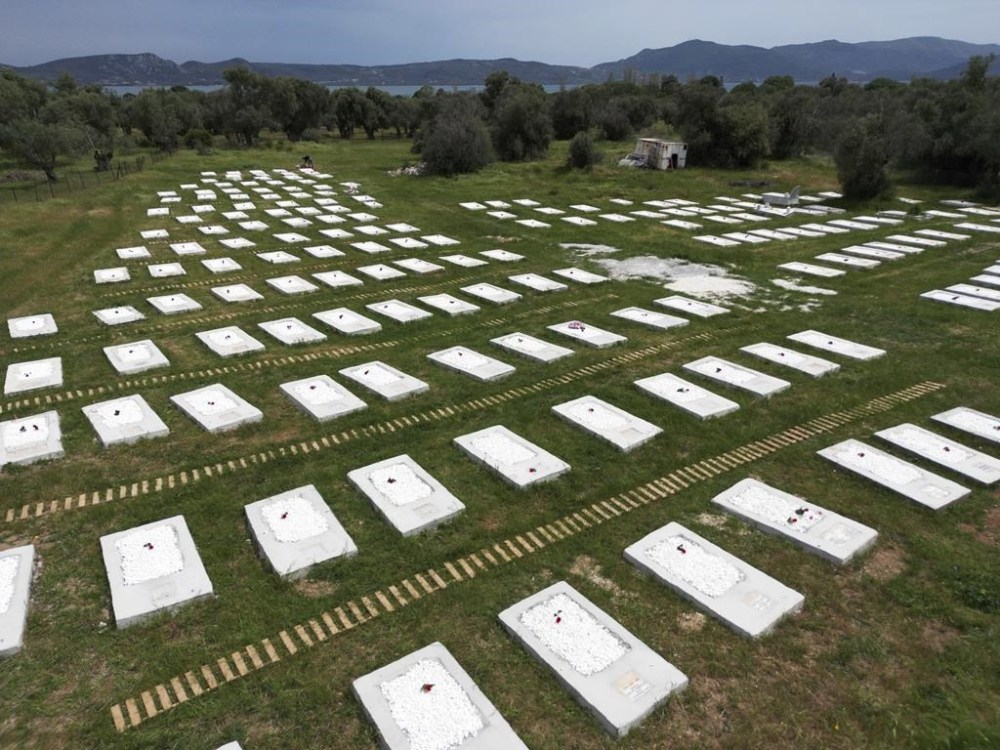
“We wanted it to be clear that this was a burial ground, (mostly) for people who died at sea — some of whom have been identified while others have not,” Earth Medicine spokesman Dimitris Patounis said. “It used to be just a field.”
For years, Lesbos has been a major destination for people seeking a better life in the European Union. They leave Turkish shores crammed into small, unseaworthy vessels provided by smuggling gangs. About 3,800 people have made the journey so far this year.
Before the intervention, the weed-choked graves were marked by a simple stone with a number written on it by marker, or, in the rare cases when it was available, a name. Currently, about 200 neat, uniform gray slabs filled with white gravel cover each grave, clearly listing whatever is known of the occupant.
“Now people will be able to visit when their (dead) relatives are identified,” Patounis said.
Officials stress that the burial ground is nondenominational, with recent inhumation services conducted by an Imam, a Greek Orthodox or a Catholic priest, according to the deceased’s known beliefs.
“This was done with human dignity in mind, without any religious affiliation,” Patounis said.
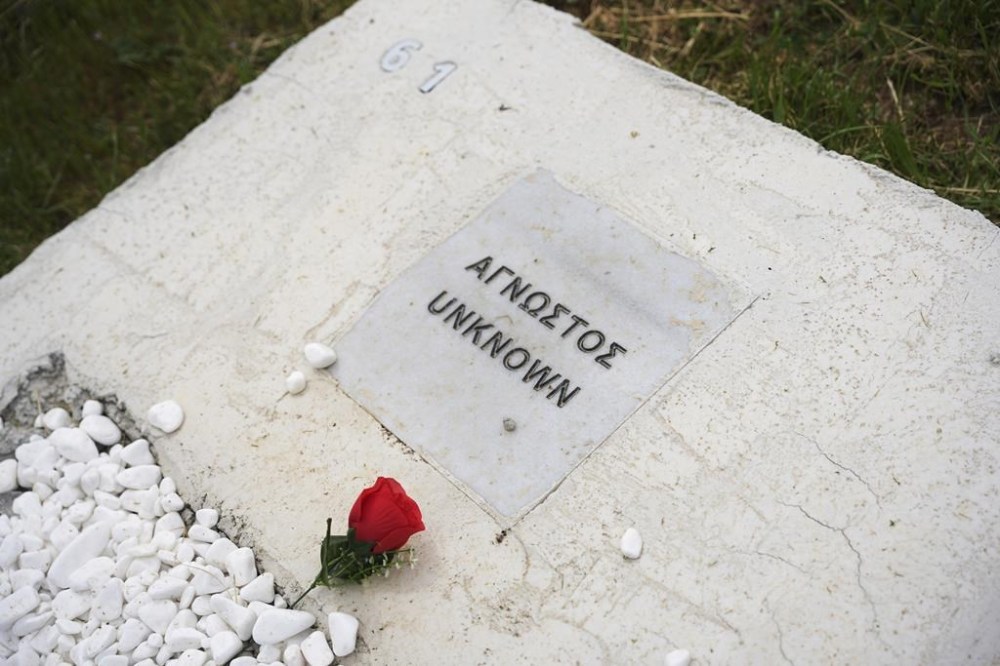
The cemetery lies about a kilometer (1/2 mile) outside Kato Tritos in central Lesbos, around 20 kilometers (12 miles) from the island capital of Mytilini. Other migrants have been buried in the past in municipal cemeteries in other parts of the island, but this is the only burial ground specifically for migrants.
___
Follow AP’s coverage of global migration at https://apnews.com/hub/migration