

Armed groups besieging towns in northeastern Mali driving residents, many children, to hunger
Advertisement
Read this article for free:
or
Already have an account? Log in here »
To continue reading, please subscribe:

Digital Subscription
One year of digital access for only $205*
- Enjoy unlimited reading on winnipegfreepress.com
- Read the E-Edition, our digital replica newspaper
- Access News Break, our award-winning app
- Play interactive puzzles
*First annual payment billed as $205.00 + GST for one year. This annual subscription will automatically renew at $233.00 + GST every 52 weeks (10% off the regular annual price of $259.35). Offer available to new and qualified returning subscribers only. Cancel any time.
To continue reading, please subscribe:
Add Free Press access to your Brandon Sun subscription for only an additional
$1 for the first 4 weeks*
- Enjoy unlimited reading on winnipegfreepress.com
- Read the E-Edition, our digital replica newspaper
- Access News Break, our award-winning app
- Play interactive puzzles
*Your next Brandon Sun subscription payment will increase by $1.00 and you will be charged $17.95 plus GST for four weeks. After four weeks, your payment will increase to $24.95 plus GST every four weeks.
Read unlimited articles for free today:
or
Already have an account? Log in here »
Hey there, time traveller!
This article was published 01/05/2024 (881 days ago), so information in it may no longer be current.
BAMAKO, Mali (AP) — A humanitarian crisis is worsening in northeastern Mali where armed groups linked to Islamic State have besieged major towns leaving residents including some 80,000 children vulnerable to malnutrition, locals and an aid group warned Wednesday.
The town of Ménaka has been under siege for four months, driving up the prices of food. Other essential goods like medication are increasingly hard to find, residents and aid groups say.
“The humanitarian situation is catastrophic, with displaced people going from house to house asking for food for their families. Children are threatened with starvation,” Wani Ould Hamadi, deputy mayor of the town of Ménaka, told the Associated Press.
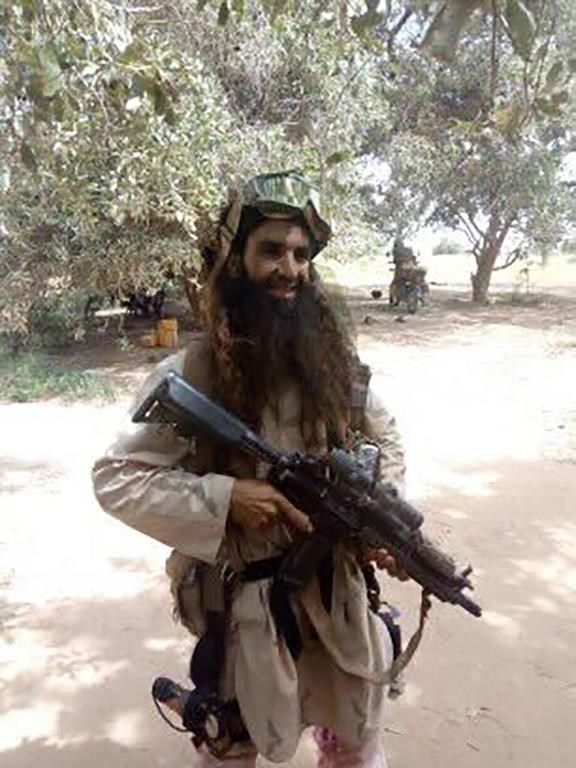
Mali, along with its neighbors Burkina Faso and Niger, has for over a decade battled an insurgency fought by armed groups, including some allied with al-Qaida and the Islamic State group. Following military coups in all three nations in recent years, the ruling juntas have expelled French forces and turned to Russia’s mercenary units for security assistance instead.
Col. Assimi Goita, who took charge in Mali after a second coup in 2021, promised to beat back the armed groups, but the United Nations and other analysts say the government has rapidly lost ground.
The aid group Save the Children said some 80,000 children were trapped inside the town of Ménaka facing malnutrition and disease, and many were unaccompanied having fled violence elsewhere..
“Children in Menaka are trapped in a living nightmare. Let us be clear: unless the blockade is lifted , starvation and disease will led to deaths,” Siaka Ouattara, the country director, said in a statement.
Ayouba Ag Nadroun, a man who fled to Ménaka to escape violence in other parts of the country said he was unable to provide for his extended family of some 15 members, including many women and children, and surviving on scarce handouts of aid. “I have no job, how can I help them?” he told the AP.
“The blockades subject villagers to violence, hunger and fear and have long been a tactic used by these jihadist groups to punish communities for their perceived support of the government,” said Sahel analyst Corinne Dufka adding that they had often succeeded in pressuring the communities to sign non-aggression accords with the groups.
Mali’s leader, Goita, has promised to return the country to democracy in early 2024. But in September, the junta canceled elections scheduled for February 2024 indefinitely, citing the need for further technical preparations.
Last month, his ruling junta ordered all political activities to stop, and the following day ordered the media to stop reporting on political activities.