

M23 rebels seize key smartphone mineral mining town in eastern Congo
Advertisement
Read this article for free:
or
Already have an account? Log in here »
To continue reading, please subscribe:

Digital Subscription
One year of digital access for only $205*
- Enjoy unlimited reading on winnipegfreepress.com
- Read the E-Edition, our digital replica newspaper
- Access News Break, our award-winning app
- Play interactive puzzles
*First annual payment billed as $205.00 + GST for one year. This annual subscription will automatically renew at $233.00 + GST every 52 weeks (10% off the regular annual price of $259.35). Offer available to new and qualified returning subscribers only. Cancel any time.
To continue reading, please subscribe:
Add Free Press access to your Brandon Sun subscription for only an additional
$1 for the first 4 weeks*
- Enjoy unlimited reading on winnipegfreepress.com
- Read the E-Edition, our digital replica newspaper
- Access News Break, our award-winning app
- Play interactive puzzles
*Your next Brandon Sun subscription payment will increase by $1.00 and you will be charged $17.95 plus GST for four weeks. After four weeks, your payment will increase to $24.95 plus GST every four weeks.
Read unlimited articles for free today:
or
Already have an account? Log in here »
Hey there, time traveller!
This article was published 02/05/2024 (893 days ago), so information in it may no longer be current.
KINSHASA, Congo (AP) — A rebel group with alleged links to Rwanda this week seized Rubaya, a mining town in eastern Congo known for producing a key mineral used in smartphones, the group said Thursday in a statement.
In a statement shared with The Associated Press, a spokesperson for the M23 rebel group said the town was “liberated.”
The Congolese army declined to comment on the situation.
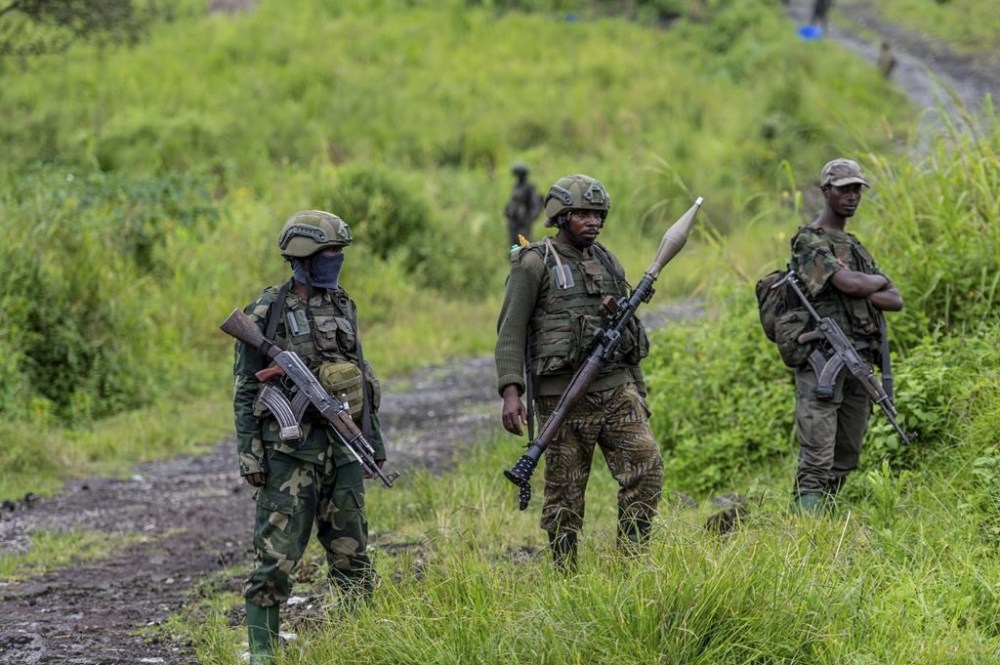
The decadeslong conflict in eastern Congo has produced one of the world’s worst humanitarian crises, with over 100 armed groups fighting for control of the mineral-rich area near the border with Rwanda. Many groups are accused of carrying out mass killings, rapes and other human rights violations. The violence has displaced about 7 million people, many beyond the reach of aid.
The town of Rubaya holds deposits of tantalum, which is extracted from coltan, a key component in the production of smartphones. It is among the minerals that was named earlier this month in a letter from Congo’s government questioning Apple about the tech company’s knowledge of “blood minerals” being smuggled in its supply chain.
“The fall of Rubaya is in a way the embodiment of this systemic plundering,” Ernest Singoma, a civil society activist in Goma, told the AP on Thursday.
There’s been an upsurge in fighting in recent months between M23 rebels and Congo army forces, and it comes as the United Nations plans to withdraw peacekeepers from the region by the end of the year.
John Banyene, a civil society activist, told the AP that the rebels were advancing towards the town of Goma, which is eastern Congo’s largest city and the capital of North Kivu province.
“All the supply routes to the city are blocked,” said Banyene.“We are just getting by.”
Congolese President Felix Tshisekedi alleges Rwanda is destabilizing Congo by backing the M23 rebels. U.N. experts, along with the U.S. State Department, have also accused Rwanda of backing the rebels. Rwanda denies the claims.
Earlier this week, French President Emmanuel Macron called on neighboring Rwanda to halt its support for the M23 rebel group during a joint press conference with Tshisekedi in Paris.
Onesphore Sematumba, an analyst with the International Crisis Group, said the capture of Rubaya was a significant development in the conflict.
“Rubaya has mining deposits and without doubt this will allow M23 to exploit them,” he told the AP.
The March 23 Movement, or M23, is a rebel military group mainly made up of ethnic Tutsis that broke away from the Congolese army just over a decade ago. They staged a large offensive in 2012 and took over the provincial capital of Goma near the border with Rwanda, the same city they are threatening again.
____
Follow AP’s Africa coverage at: https://apnews.com/hub/africa