

Russia expels British defense attaché in a tit-for-tat move
Advertisement
Read this article for free:
or
Already have an account? Log in here »
To continue reading, please subscribe:

Digital Subscription
One year of digital access for only $205*
- Enjoy unlimited reading on winnipegfreepress.com
- Read the E-Edition, our digital replica newspaper
- Access News Break, our award-winning app
- Play interactive puzzles
*First annual payment billed as $205.00 + GST for one year. This annual subscription will automatically renew at $233.00 + GST every 52 weeks (10% off the regular annual price of $259.35). Offer available to new and qualified returning subscribers only. Cancel any time.
To continue reading, please subscribe:
Add Free Press access to your Brandon Sun subscription for only an additional
$1 for the first 4 weeks*
- Enjoy unlimited reading on winnipegfreepress.com
- Read the E-Edition, our digital replica newspaper
- Access News Break, our award-winning app
- Play interactive puzzles
*Your next Brandon Sun subscription payment will increase by $1.00 and you will be charged $17.95 plus GST for four weeks. After four weeks, your payment will increase to $24.95 plus GST every four weeks.
Read unlimited articles for free today:
or
Already have an account? Log in here »
Hey there, time traveller!
This article was published 16/05/2024 (836 days ago), so information in it may no longer be current.
MOSCOW (AP) — Russia on Thursday declared Britain’s defense attaché persona non grata and gave the diplomat a week to leave the country in response to London’s decision to expel the Russian defense attaché earlier this month over spying allegations.
Russia’s Foreign Ministry said in a statement that it summoned a representative of the British Embassy in Moscow on Thursday to express its “strong protest in connection with the unfriendly and groundless decision” to expel the Russian attaché from London. “We emphasized that we regard this step as a politically motivated action of clearly Russophobic nature, which is causing irreparable damage to bilateral relations,” the statement read.
Britain on May 8 announced several measures to target Moscow’s intelligence gathering operations in the U.K. Those included a decision to boot Maxim Elovik, a Russian colonel who the British government termed an “undeclared military intelligence officer,” rescinding the diplomatic status of several Russian-owned properties because they are believed to have been used for intelligence purposes, and imposing new restrictions on Russian diplomatic visas and visits.
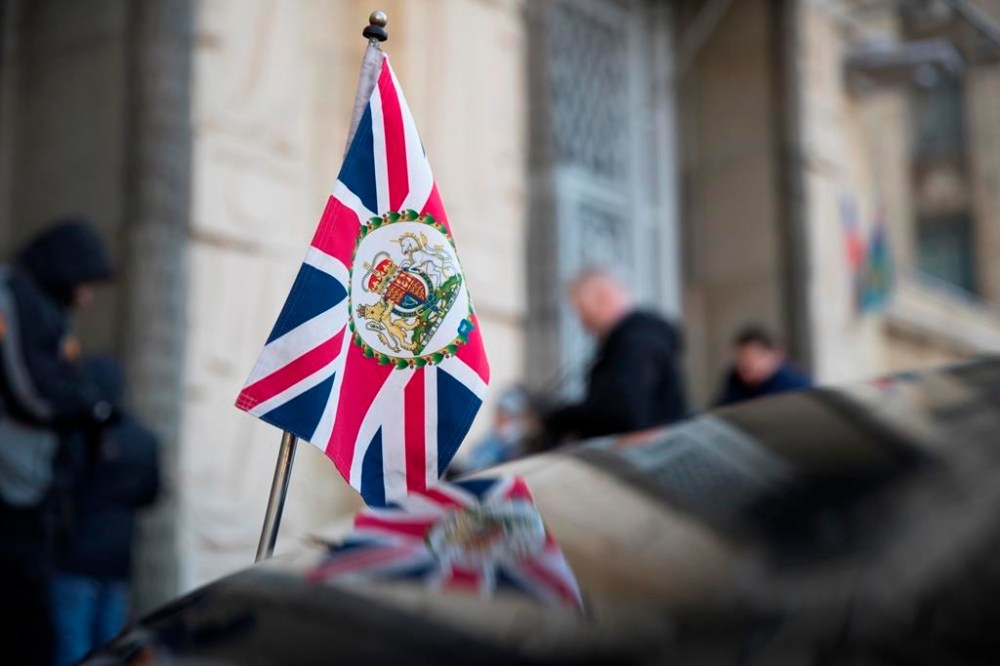
The government said the measures followed criminal cases in London alleging espionage and sabotage by people acting on behalf of Russia.
It also cited allegations that the Russian government planned to sabotage military aid for Ukraine in Germany and Poland and carried out spying in Bulgaria and Italy, along with cyber and disinformation activities, air space violations and jamming GPS signals to hamper civilian air traffic.
In response, Russia’s Foreign Ministry on Thursday announced the expelling of the British defense attaché Adrian Coghill, and vowed “further retaliatory steps.”
The U.K. has had an uneasy relationship with Russia for years, accusing its agents of targeted killings and espionage, including cyberattacks aimed at British lawmakers and leaking and amplifying sensitive information to serve Russian interests. After Russia sent troops into Ukraine, Britain has also sanctioned hundreds of wealthy Russians and moved to clamp down on money laundering through London’s property and financial markets.