Colombia’s congress votes to ban bullfights, dealing a blow to the centuries-old tradition
Advertisement
Read this article for free:
or
Already have an account? Log in here »
To continue reading, please subscribe:
Digital Subscription
One year of digital access for only $1.44 a week*
- Enjoy unlimited reading on winnipegfreepress.com
- Read the E-Edition, our digital replica newspaper
- Access News Break, our award-winning app
- Play interactive puzzles
*Billed as $5.77 plus GST every four weeks. After 52 weeks, price increases to the regular rate of $19.95 plus GST every four weeks. Offer available to new and qualified returning subscribers only. Cancel any time.
To continue reading, please subscribe:
Add Free Press access to your Brandon Sun subscription for only an additional
$1 for the first 4 weeks*
- Enjoy unlimited reading on winnipegfreepress.com
- Read the E-Edition, our digital replica newspaper
- Access News Break, our award-winning app
- Play interactive puzzles
*Your next Brandon Sun subscription payment will increase by $1.00 and you will be charged $17.95 plus GST for four weeks. After four weeks, your payment will increase to $24.95 plus GST every four weeks.
Read unlimited articles for free today:
or
Already have an account? Log in here »
Hey there, time traveller!
This article was published 28/05/2024 (880 days ago), so information in it may no longer be current.
BOGOTA, Colombia (AP) — Colombia’s congress voted Tuesday to ban bullfights in the South American nation, delivering a serious blow to a centuries-old tradition that has inspired famous songs and novels but has become increasingly controversial in the countries where it is still practiced.
The bill calls for the banning of bullfights in a three-year span, making the tradition illegal by the start of 2028. The new law now needs to be signed by President Gustavo Petro, who has been a longtime opponent of these events.
Bullfighting originated in the Iberian Peninsula and is still legal in a handful of countries, including Spain, France, Portugal, Peru, Ecuador and Mexico.
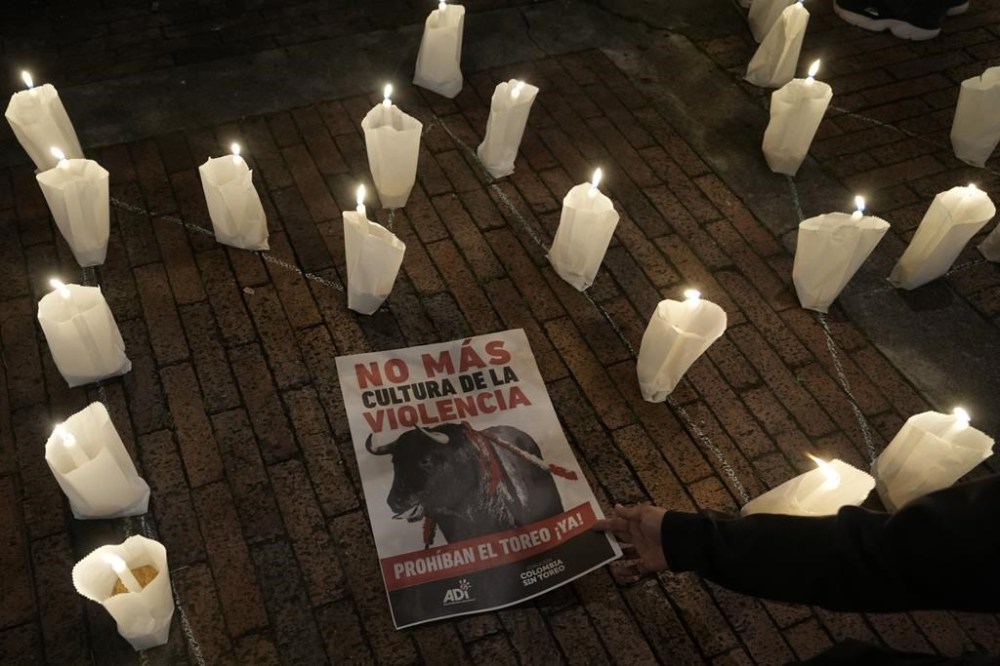
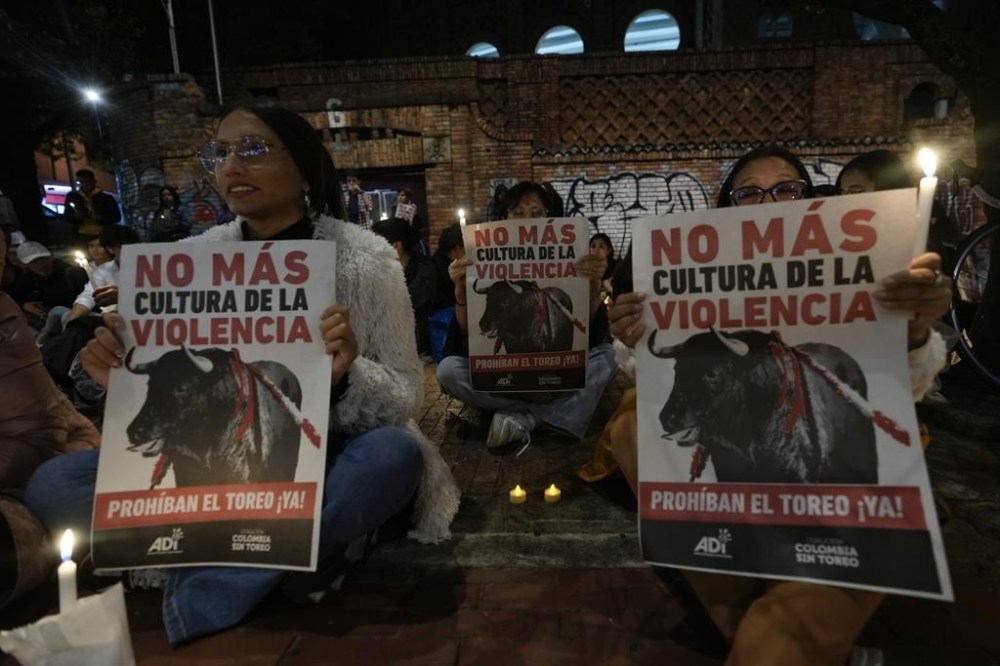
It was once a popular event, broadcast live by multiple television networks. But the tradition has come under increased scrutiny as views change about animal welfare, and many find it unacceptable to see an animal suffer for entertainment’s sake.
“This ban is a huge victory for organizations that have worked to transform society and reject violence against animals,” said Terry Hurtado, an animal rights activist and city council member in Cali, who has been leading protests against bullfights since the 1990s. “I feel relieved that bulls and horses (which also participate in some bullfights) in Colombia will no longer be tortured, and that children will no longer be exposed to this spectacle.”
In bullfights, a matador faces bulls that are bred to be aggressive. The matador taunts the bull with a red cape and kills the animal with the blow of a sword after it has been injured with lances and daggers, and is tired of charging at the matador in a circular arena.
In Colombia, where bullfights have been held since colonial times, less than two dozen municipalities continue to hold these events, although the annual bullfights in the city of Manizales still draw tens of thousands of spectators.
Bullfighting aficionados described the ban as an assault on the freedoms of minorities as well as a problem for cities where these events draw thousands of visitors.