

The number of new German citizens hits another high last year, with many Syrians naturalized
Advertisement
Read this article for free:
or
Already have an account? Log in here »
To continue reading, please subscribe:

Digital Subscription
One year of digital access for only $205*
- Enjoy unlimited reading on winnipegfreepress.com
- Read the E-Edition, our digital replica newspaper
- Access News Break, our award-winning app
- Play interactive puzzles
*First annual payment billed as $205.00 + GST for one year. This annual subscription will automatically renew at $233.00 + GST every 52 weeks (10% off the regular annual price of $259.35). Offer available to new and qualified returning subscribers only. Cancel any time.
To continue reading, please subscribe:
Add Free Press access to your Brandon Sun subscription for only an additional
$1 for the first 4 weeks*
- Enjoy unlimited reading on winnipegfreepress.com
- Read the E-Edition, our digital replica newspaper
- Access News Break, our award-winning app
- Play interactive puzzles
*Your next Brandon Sun subscription payment will increase by $1.00 and you will be charged $17.95 plus GST for four weeks. After four weeks, your payment will increase to $24.95 plus GST every four weeks.
Read unlimited articles for free today:
or
Already have an account? Log in here »
Hey there, time traveller!
This article was published 28/05/2024 (864 days ago), so information in it may no longer be current.
BERLIN (AP) — Germany saw another big increase in the number of people gaining citizenship last year as large numbers of people from Syria helped push naturalizations up to their highest level since at least 2000, according to official data released Tuesday.
About 200,100 people were granted German citizenship in 2023, the Federal Statistical Office said. That was an increase of about 31,000, or 19%, compared with the previous year.
The increase followed a 28% rise in 2022, which also was fueled by large numbers of Syrians being naturalized as increasing numbers of people who migrated to Germany between 2014 and 2016 fulfilled the requirements for citizenship.
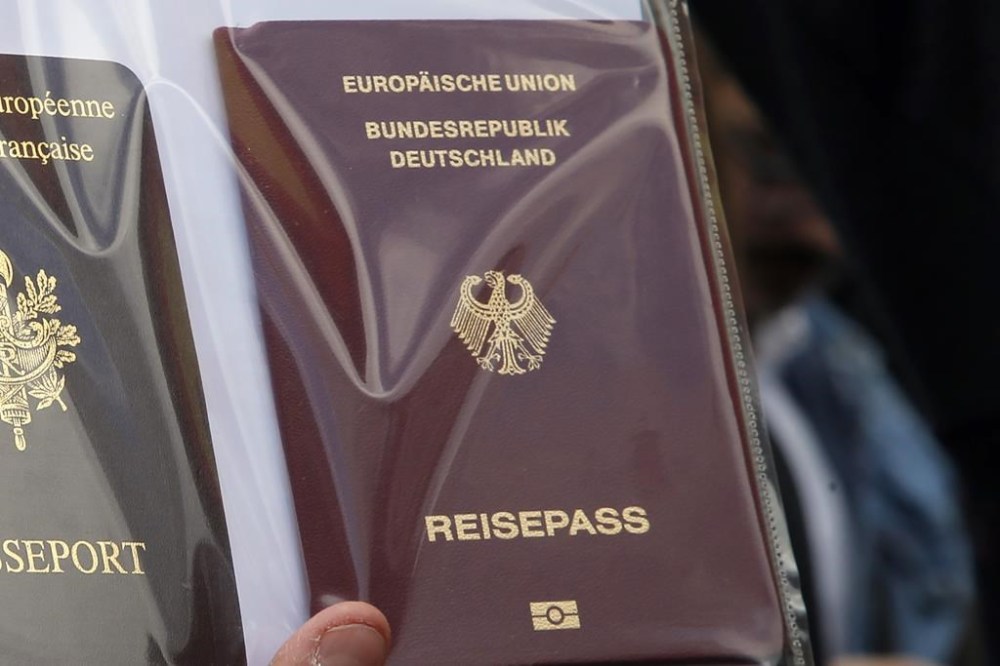
Last year, 75,500 people from Syria were naturalized — the biggest single group, accounting for 38% of the total — the statistics office said. That number was up 56% compared with 2022. They had spent an average 6.8 years in Germany before becoming citizens.
About 10,700 citizens each of Turkey and Iraq became German citizens last year, putting those groups in second place.
The overall number of new citizens was the highest since current records started in 2000 following a change in the law under which people of German ancestry from the former Soviet Union, who arrived in large numbers in the 1990s, were automatically granted citizenship rather than having to apply for it.
Requirements for being granted citizenship include a working knowledge of German and proof of being able to support oneself financially.
Under the law as it was last year, people were in principle required to have lived in Germany for at least eight years, though that didn’t apply to spouses and children. The period could be reduced to six years for people who show “special integration accomplishments” such as very good knowledge of the language, professional achievements or civic engagement.
Those rules are being eased under new legislation that will take effect on June 27. People will be eligible for citizenship after five years in Germany, or three in case of “special integration accomplishments.” German-born children will automatically become citizens if one parent has been a legal resident for five years, down from eight years now.
Restrictions on holding dual citizenship will also be dropped. In principle, most people from countries other than European Union members and Switzerland have had to give up their previous nationality when they gained German citizenship, though there were some exemptions.
Germany has about 84 million inhabitants.