

Ramaphosa is sworn in for a second term as South Africa’s president with help from coalition parties
Advertisement
Read this article for free:
or
Already have an account? Log in here »
To continue reading, please subscribe:

Digital Subscription
One year of digital access for only $205*
- Enjoy unlimited reading on winnipegfreepress.com
- Read the E-Edition, our digital replica newspaper
- Access News Break, our award-winning app
- Play interactive puzzles
*First annual payment billed as $205.00 + GST for one year. This annual subscription will automatically renew at $233.00 + GST every 52 weeks (10% off the regular annual price of $259.35). Offer available to new and qualified returning subscribers only. Cancel any time.
To continue reading, please subscribe:
Add Free Press access to your Brandon Sun subscription for only an additional
$1 for the first 4 weeks*
- Enjoy unlimited reading on winnipegfreepress.com
- Read the E-Edition, our digital replica newspaper
- Access News Break, our award-winning app
- Play interactive puzzles
*Your next Brandon Sun subscription payment will increase by $1.00 and you will be charged $17.95 plus GST for four weeks. After four weeks, your payment will increase to $24.95 plus GST every four weeks.
Read unlimited articles for free today:
or
Already have an account? Log in here »
Hey there, time traveller!
This article was published 19/06/2024 (820 days ago), so information in it may no longer be current.
JOHANNESBURG (AP) — Cyril Ramaphosa was sworn in for a second term as South Africa’s president on Wednesday in a ceremony in the administrative capital, Pretoria, after his reelection with the help from a coalition of parties, a first in the country’s 30-year rule.
Ramaphosa is now set to appoint a Cabinet in a new coalition government after his African National Congress party lost its parliamentary majority in an election last month. He was reelected president by lawmakers on Friday after the main opposition party and a smaller third party joined the ANC in an agreement to co-govern Africa’s most industrialized economy.
He will have to guide the first coalition government in which no party has a majority. At least three parties will make up what the ANC is calling a government of national unity, with more invited to join.
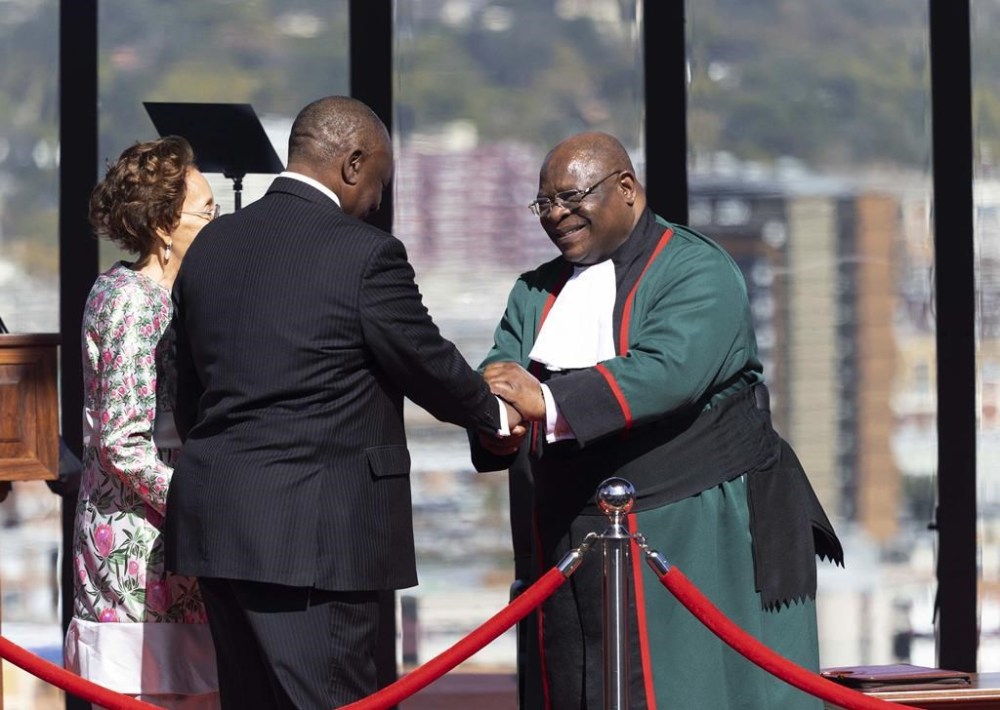
Ramaphosa was administered the oath of office in a public ceremony at the Union Buildings, the seat of government, by Chief Justice Raymond Zondo.
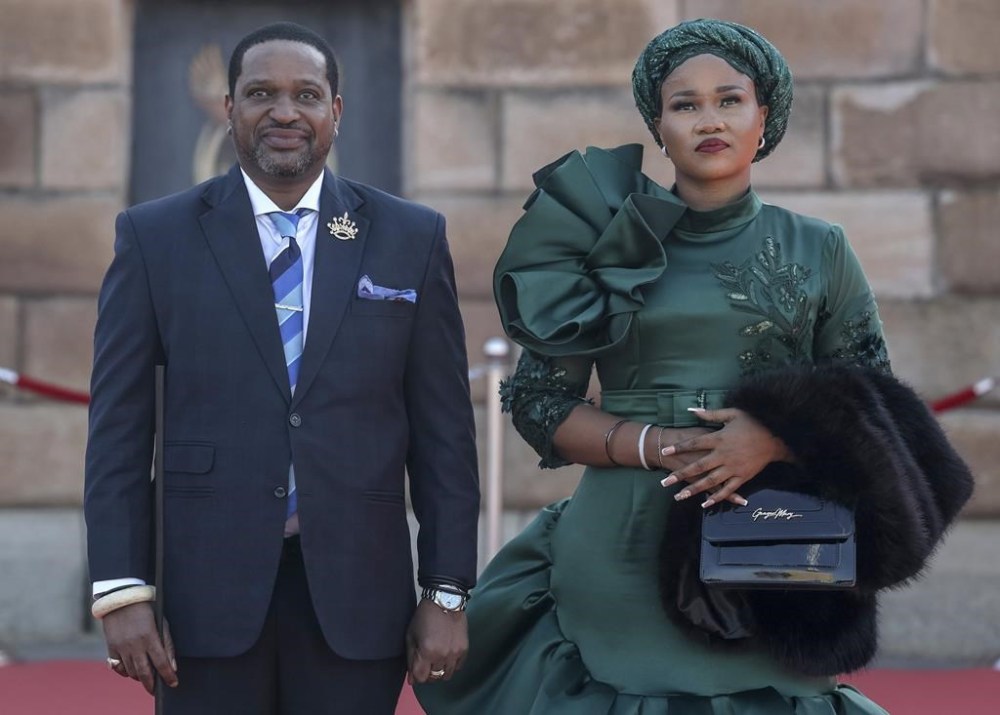
King Mswati III of Eswatini, Nigerian President Bola Tinubu, Zimbabwe President Emerson Mnangagwa and former Kenyan Prime Minister Raila Odinga were among many dignitaries who attended the inauguration ceremony as Ramaphosa begins what promises to be a tough final term in office.
The ceremony included a 21-gun salute by the presidential guard and a flyover by the South Africa Air Force over the Union Buildings. South African musicians and cultural dancers entertained thousands of citizens who attended the swearing-in.
Addressing the nation, Ramaphosa said that the people had spoken and their will would be adhered to.
“The voters of South Africa did not give any single party the full mandate to govern our country alone. They have directed us to work together to address their plight and realize their aspirations,” he said.
Ramaphosa said the people of South Africa “have also been unequivocal in expressing their disappointment and disapproval of our performance in some of the areas in which we have failed them.” He also recognized the society “remains deeply unequal and highly polarized,” which could ”easily turn into instability.”
“The lines drawn by our history, between black and white, between man and woman, between suburbs and townships, between urban and rural, between the wealthy and the poor, remain etched in our landscape,” he said.
He also promised that the new government would create new work opportunities to face the crippling unemployment as well as work on providing people with basic service s like housing, healthcare and clean water.
While Ramphosa’s words were meant to reassure an already economically strained population, the new administration could prove challenging to lead.
It is made up of parties that are ideologically opposed and don’t see eye to eye on how to address the country’s many challenges, including land redistribution policies and proposed solutions to the electricity crisis, as well as their contrary views on affirmative action.
Major players such as the Democratic Alliance and the Inkatha Freedom Party have already joined the coalition, and others like the Patriotic Alliance, the GOOD Party and the Pan Africanist Congress are expected to follow.
However, the third largest party, led by former President Jacob Zuma, the uMkhonto weSizwe Party, and the leftist Economic Freedom Fighters party have refused to be part of it.
It is unclear when the formation of the new Cabinet would be announced.
___
AP Africa news: https://apnews.com/hub/africa