

Kenyan police are leaving for a controversial deployment in Haiti to take on powerful, violent gangs
Advertisement
Read this article for free:
or
Already have an account? Log in here »
To continue reading, please subscribe:

Digital Subscription
One year of digital access for only $205*
- Enjoy unlimited reading on winnipegfreepress.com
- Read the E-Edition, our digital replica newspaper
- Access News Break, our award-winning app
- Play interactive puzzles
*First annual payment billed as $205.00 + GST for one year. This annual subscription will automatically renew at $233.00 + GST every 52 weeks (10% off the regular annual price of $259.35). Offer available to new and qualified returning subscribers only. Cancel any time.
To continue reading, please subscribe:
Add Free Press access to your Brandon Sun subscription for only an additional
$1 for the first 4 weeks*
- Enjoy unlimited reading on winnipegfreepress.com
- Read the E-Edition, our digital replica newspaper
- Access News Break, our award-winning app
- Play interactive puzzles
*Your next Brandon Sun subscription payment will increase by $1.00 and you will be charged $17.95 plus GST for four weeks. After four weeks, your payment will increase to $24.95 plus GST every four weeks.
Read unlimited articles for free today:
or
Already have an account? Log in here »
Hey there, time traveller!
This article was published 24/06/2024 (803 days ago), so information in it may no longer be current.
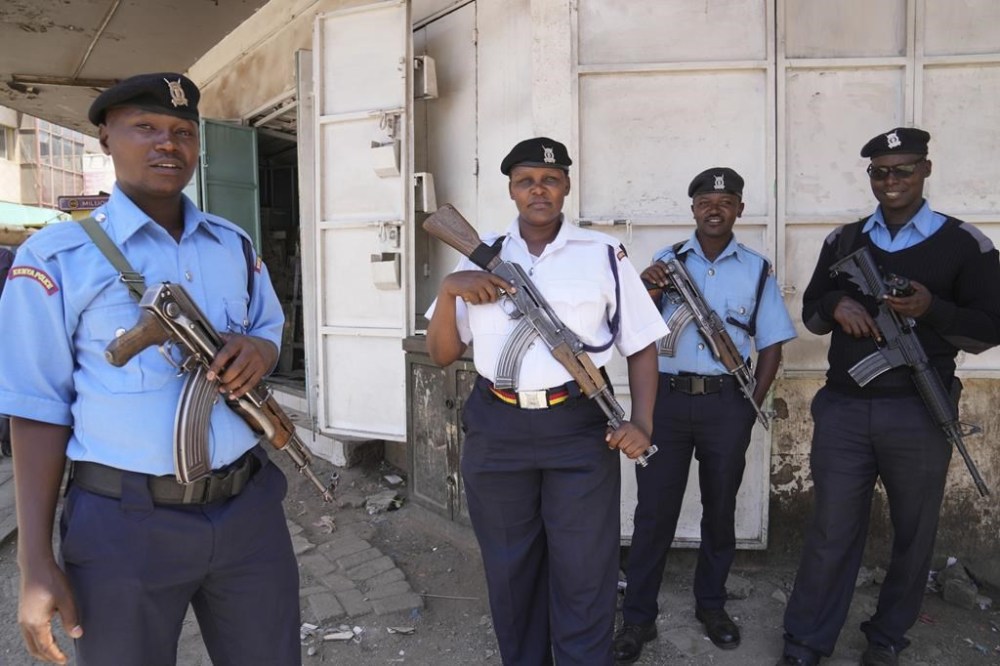
NAIROBI, Kenya (AP) — Hundreds of Kenyan police officers were leaving Monday for Haiti, where they will lead a multinational force against the powerful gangs whose deadly violence spiked this year and helped bring about a change in government.
The deployment is controversial. The government of Kenyan President William Ruto is defying a court’s ruling calling it unconstitutional. And critics have expressed concern about the long history of alleged abuses by police officers.
The 400 police officers are the first of the 1,000 that Kenya expects to send for the United Nations-led force in Haiti. Ruto’s sendoff ceremony on Monday was closed to the media, but his office shared a speech in which he urged the officers to uphold integrity.
“We have mediated many conflicts and are currently engaged in resolving more,” he said. “Don’t let down the confidence the people of Kenya and the international community have in you.”
A court case seeking to block the deployment is pending, but an initial ruling had called the deployment unconstitutional, citing the lack of a reciprocal agreement between Kenya and Haiti.
U.S. President Joe Biden, however, thanked Ruto for Kenya’s leadership of the multinational force during Ruto’s recent state visit to Washington. The United States has agreed to contribute $300 million to the force, but Biden argued that an American troop presence in Haiti would raise “all kinds of questions that can easily be misrepresented.”
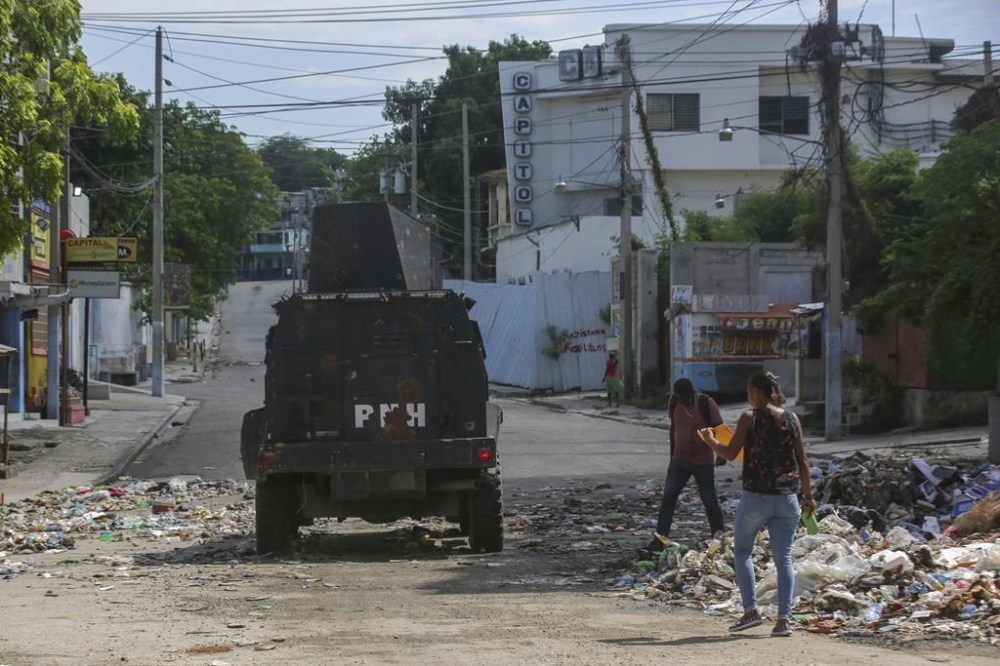
More than 2,500 people were killed or injured in the first three months of the year in Haiti. The spike in violence began in late February and has displaced more than half a million people. Gangs now control at least 80% of the capital, Port-au-Prince and key roads. Trapped outside the country as the international airport was closed, Prime Minister Ariel Henry was forced to resign.
The most recent allegations by watchdogs against Kenyan police for using excessive force came last week, when two people died during anti-government protests. One protester was shot dead by a suspected plainclothes officer. The other was killed by a tear gas canister thrown by police.
Kenya’s Independent Policing Oversight Authority is looking into police conduct during the protests in which more than 200 other people were injured.