

India’s moidam royal burial mounds are its latest World Heritage Site
Advertisement
Read this article for free:
or
Already have an account? Log in here »
To continue reading, please subscribe:

Digital Subscription
One year of digital access for only $205*
- Enjoy unlimited reading on winnipegfreepress.com
- Read the E-Edition, our digital replica newspaper
- Access News Break, our award-winning app
- Play interactive puzzles
*First annual payment billed as $205.00 + GST for one year. This annual subscription will automatically renew at $233.00 + GST every 52 weeks (10% off the regular annual price of $259.35). Offer available to new and qualified returning subscribers only. Cancel any time.
To continue reading, please subscribe:
Add Free Press access to your Brandon Sun subscription for only an additional
$1 for the first 4 weeks*
- Enjoy unlimited reading on winnipegfreepress.com
- Read the E-Edition, our digital replica newspaper
- Access News Break, our award-winning app
- Play interactive puzzles
*Your next Brandon Sun subscription payment will increase by $1.00 and you will be charged $17.95 plus GST for four weeks. After four weeks, your payment will increase to $24.95 plus GST every four weeks.
Read unlimited articles for free today:
or
Already have an account? Log in here »
Hey there, time traveller!
This article was published 26/07/2024 (782 days ago), so information in it may no longer be current.
NEW DELHI (AP) — The Charaideo Moidam royal burial complex and shrines, built by northeast India’s Ahom dynasty, has been inscribed as a new World Heritage Site, the United Nations’ cultural agency said on Friday.
UNESCO experts, who are deliberating on a list of sites nominated for the World Heritage Site tag, announced the decision in Indian capital New Delhi, where they are holding their 46th session.
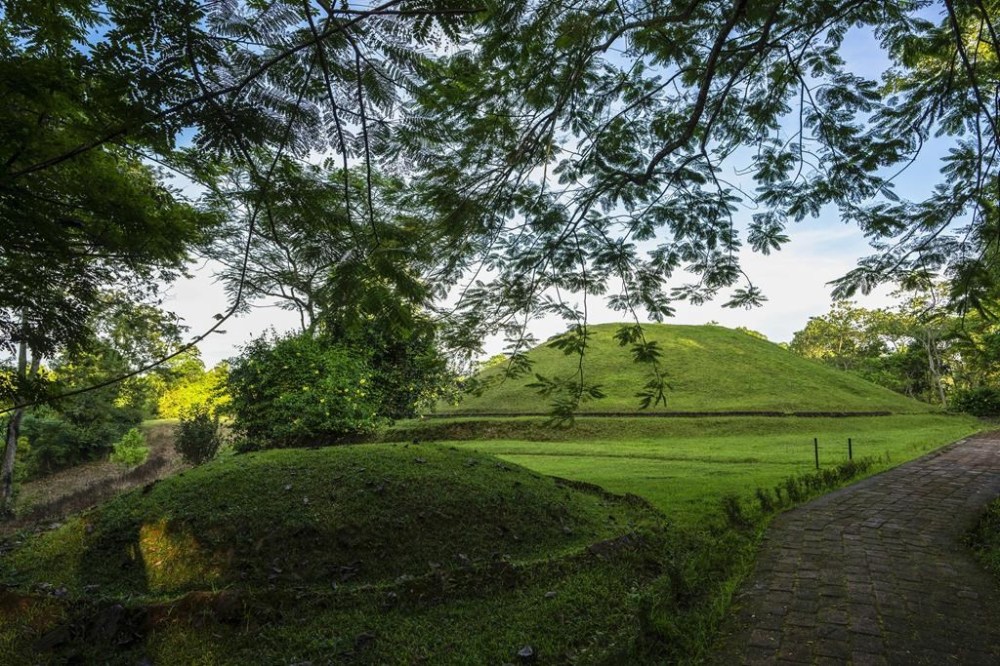
The Charaideo Moidams, located in Assam state, are a mound burial system that served as a resting place for Ahom kings and queens. They were constructed by providing an earth cover over a hollow vault made of bricks, stone or earth.
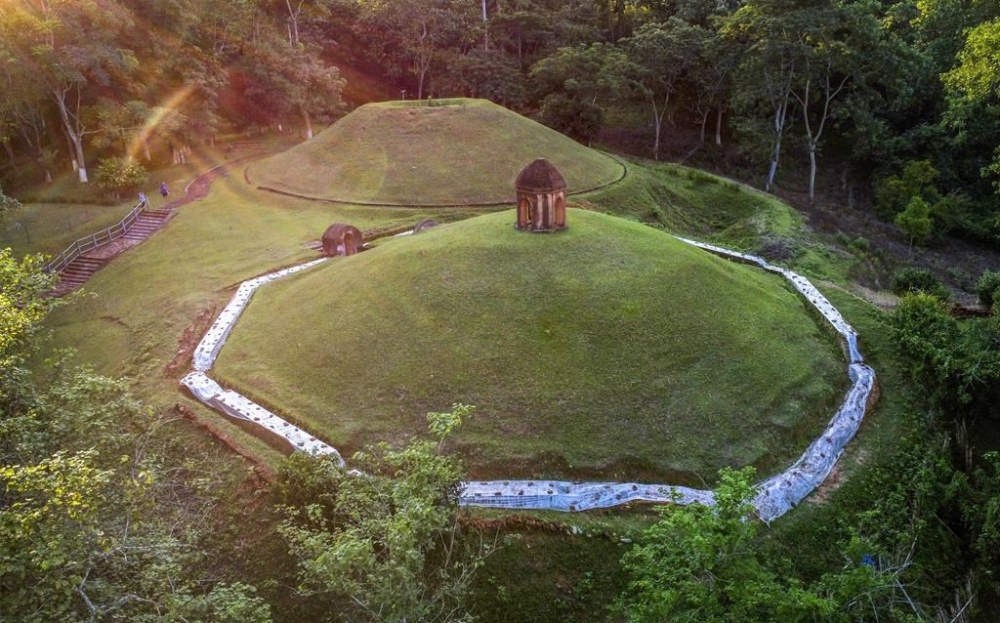
The designated site contains 90 modiams of different sizes, which were created over a period of 600 years, and include other cultural features like ceremonial pathways and bodies of water, said a spokesperson from ICOMOS, the advisory body of the World Heritage Committee.
“The moidams are an exceptional example of an Ahom necropolis that represents funeral traditions and associated beliefs in a tangible way,” they added.
The Ahom clan established their capital in different parts of the Brahmaputra River Valley between the 12th to 18th century, after migrating from China, according to the U.N. cultural agency’s website. They established the first capital at the Patkai hills in eastern India and named it Charaideo, which means “a dazzling city above the mountain” in their language. Even though the clan moved across cities, the burial site they built was seen as the most sacred place for the departed souls of the royals.
Experts say the shrines showcase the architecture and expertise of Assam’s masons, comparing them to the royal tombs of China and the pyramids of the Egyptian Pharaohs.
The site has the largest concentration of these vaulted mound burials, according to UNESCO, and reflects the sculpted landscape of the surrounding hills.
India is now home to 43 World Heritage Sites.
Other sites inscribed on Friday included the Colonies of the Moravian Church in Germany, the U.S. and U.K.; the Umm Al-Jimal in Jordan and the Badain Jaran Desert in China.
The committee also inscribed the Monastery of Saint Hilarion, in the archeological site of Tell Umm Amer in the Gaza Strip, on both the World Heritage List and on the List of World Heritage in Danger. It said the decision recognized the site’s value and the need to protect it given threats posed by the conflict in the Gaza Strip.