

9 monkeys who died in Hong Kong’s zoo in 2 days had been infected with melioidosis, officials say
Advertisement
Read this article for free:
or
Already have an account? Log in here »
To continue reading, please subscribe:
Monthly Digital Subscription
$0 for the first 4 weeks*
- Enjoy unlimited reading on winnipegfreepress.com
- Read the E-Edition, our digital replica newspaper
- Access News Break, our award-winning app
- Play interactive puzzles
*No charge for 4 weeks then price increases to the regular rate of $19.00 plus GST every four weeks. Offer available to new and qualified returning subscribers only. Cancel any time.
Monthly Digital Subscription
$4.75/week*
- Enjoy unlimited reading on winnipegfreepress.com
- Read the E-Edition, our digital replica newspaper
- Access News Break, our award-winning app
- Play interactive puzzles
*Billed as $19 plus GST every four weeks. Cancel any time.
To continue reading, please subscribe:
Add Free Press access to your Brandon Sun subscription for only an additional
$1 for the first 4 weeks*
*Your next subscription payment will increase by $1.00 and you will be charged $16.99 plus GST for four weeks. After four weeks, your payment will increase to $23.99 plus GST every four weeks.
Read unlimited articles for free today:
or
Already have an account? Log in here »
Hey there, time traveller!
This article was published 18/10/2024 (417 days ago), so information in it may no longer be current.
HONG KONG (AP) — Nine monkeys who died in Hong Kong’s oldest zoo in two days this week had been infected with an endemic disease, possibly after some digging work near their cages, officials said on Friday.
Secretary for Culture, Sports and Tourism Kevin Yeung said in a press briefing that the animals in the Hong Kong Zoological and Botanical Gardens contracted melioidosis and the disease later caused them to develop sepsis.
Yeung stressed that such infections typically occur through contact with contaminated soil and water and that there is generally no danger to humans from contact with infected animals or people.
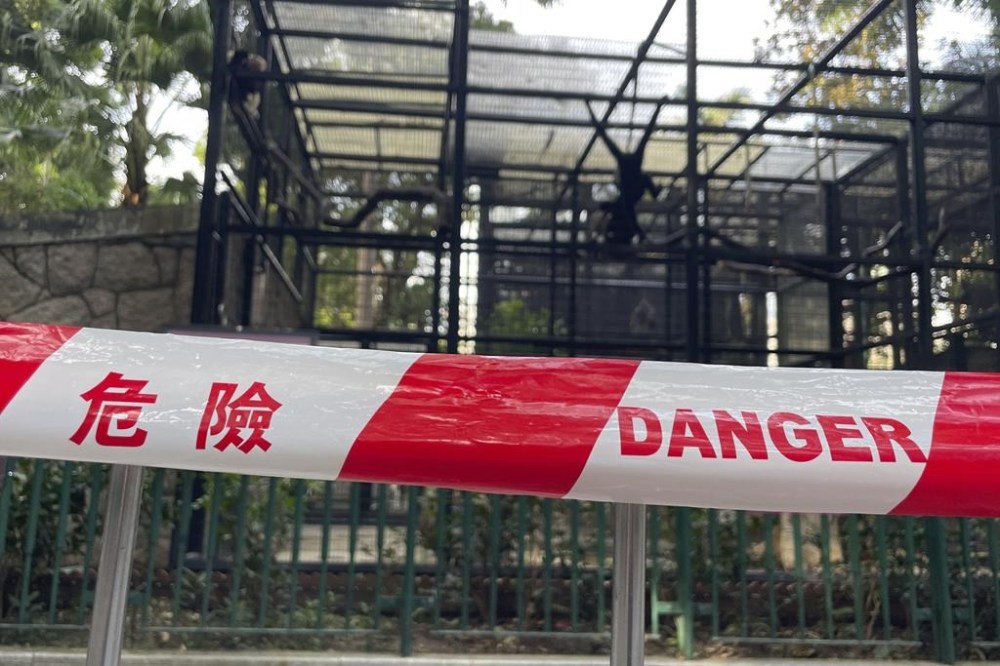
“We’re saddened by the passing of the nine monkeys,” he said.
Eight monkeys were found dead on Sunday, and another died Monday after displaying unusual behavior. The deceased animals were a De Brazza’s monkey, a common squirrel monkey, four white-faced sakis and three cotton-top tamarins — a species listed as critically endangered by the International Union for Conservation of Nature.
According to Hong Kong’s Center for Health Protection, melioidosis is caused by the bacterium Burkholderia pseudomallei, which is widespread in soils and muddy water.
Yeung said the park conducted digging work to repair some irrigation pipes under the flower bed near the monkey cages in early October and that the deaths might be related to that.
He said the monkeys might have come into contact with the bacteria after the park’s staff walked into their cages with possibly contaminated shoes. Another possibility is that some infected monkeys had close contact with other monkeys, he said.
“The incubation period for melioidosis in primates is about a week and this matched with the period after the soil digging work,” he said.
Edwin Tsui, the controller of the center, said the incident only happened in a single zone and its impact on Hong Kong residents would be very low.
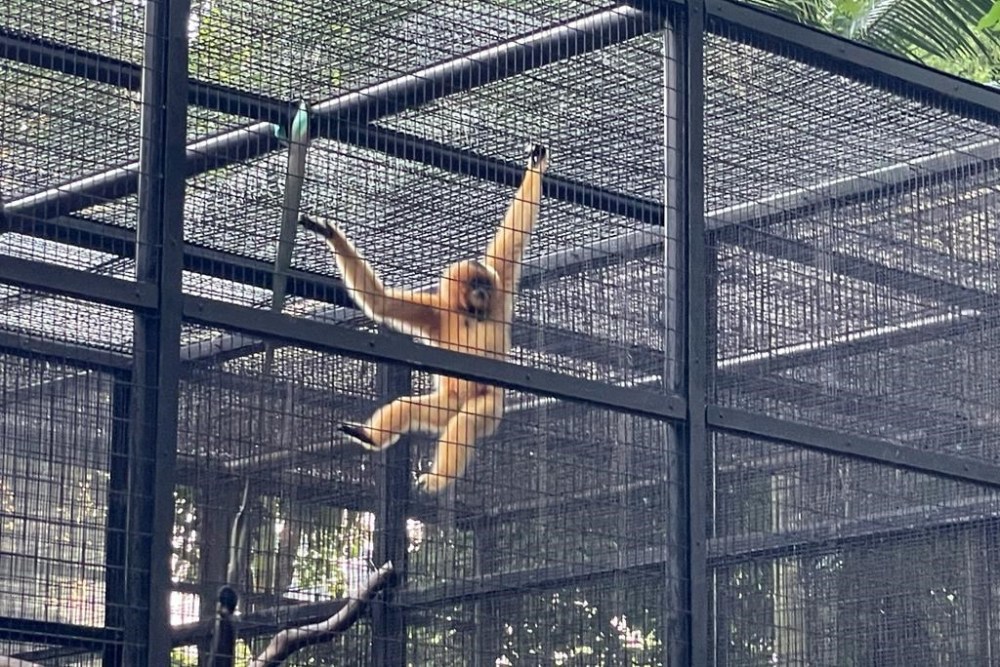
Yeung on Monday held an urgent interdepartmental meeting about the deaths with the Leisure and Cultural Services Department, the Agriculture, Fisheries and Conservation Department and the Department of Health.
Another De Brazza’s monkey also displayed unusual behavior and appetite but offiicials said its condition remained stable on Friday.
The Hong Kong Zoological and Botanical Gardens — the oldest park in the former British colony — fully opened to the public in 1871. It is a rare urban oasis in the downtown Central district of the financial hub, which returned to Chinese rule in 1997.