

Stanford psychologist behind the controversial “Stanford Prison Experiment” dies at 91
Advertisement
Read this article for free:
or
Already have an account? Log in here »
To continue reading, please subscribe:

Digital Subscription
One year of digital access for only $205*
- Enjoy unlimited reading on winnipegfreepress.com
- Read the E-Edition, our digital replica newspaper
- Access News Break, our award-winning app
- Play interactive puzzles
*First annual payment billed as $205.00 + GST for one year. This annual subscription will automatically renew at $233.00 + GST every 52 weeks (10% off the regular annual price of $259.35). Offer available to new and qualified returning subscribers only. Cancel any time.
To continue reading, please subscribe:
Add Free Press access to your Brandon Sun subscription for only an additional
$1 for the first 4 weeks*
- Enjoy unlimited reading on winnipegfreepress.com
- Read the E-Edition, our digital replica newspaper
- Access News Break, our award-winning app
- Play interactive puzzles
*Your next Brandon Sun subscription payment will increase by $1.00 and you will be charged $17.95 plus GST for four weeks. After four weeks, your payment will increase to $24.95 plus GST every four weeks.
Read unlimited articles for free today:
or
Already have an account? Log in here »
Hey there, time traveller!
This article was published 19/10/2024 (687 days ago), so information in it may no longer be current.
SAN FRANCISCO (AP) — Philip G. Zimbardo, the psychologist behind the controversial “Stanford Prison Experiment” that was intended to examine the psychological experiences of imprisonment, has died. He was 91.
Stanford University announced Friday that Zimbardo died Oct. 14 at his home in San Francisco. A cause of death was not provided.
In the 1971 prison study, Zimbardo and a team of graduate students recruited college-aged males to spend two weeks in a mock prison in the basement of a building on the Stanford campus.
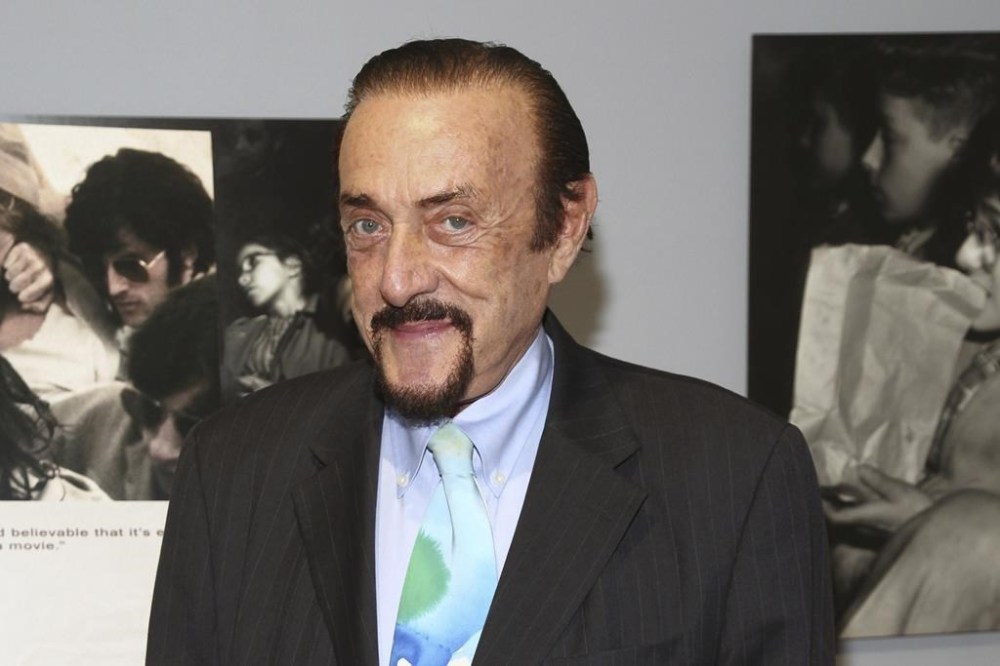
The study was ended after six days as the students playing guards became psychologically abusive and those playing prisoners became anxious, emotionally depressed and enraged, according to the Stanford statement.
Zimbardo was criticized for taking the role of superintendent – becoming an active participant in the study and no longer a neutral observer.
“The outcome of our study was shocking and unexpected,” Zimbardo would later co-write with one of the graduate students who was part of the project.
The experiment is now used in psychology classes to study the psychology of evil and the ethics of psychological research with human subjects, Stanford said.
Zimbardo’s research also included persuasion, hypnosis, cults, shyness, time perspective, altruism, and compassion, Stanford said.
Zimbardo is survived by his wife, Christina Maslach Zimbardo, three children and four grandchildren.