

Dominant Kurdish parties maintain their sway in the election for the parliament in the Iraqi region
Advertisement
Read this article for free:
or
Already have an account? Log in here »
To continue reading, please subscribe:

Digital Subscription
One year of digital access for only $205*
- Enjoy unlimited reading on winnipegfreepress.com
- Read the E-Edition, our digital replica newspaper
- Access News Break, our award-winning app
- Play interactive puzzles
*First annual payment billed as $205.00 + GST for one year. This annual subscription will automatically renew at $233.00 + GST every 52 weeks (10% off the regular annual price of $259.35). Offer available to new and qualified returning subscribers only. Cancel any time.
To continue reading, please subscribe:
Add Free Press access to your Brandon Sun subscription for only an additional
$1 for the first 4 weeks*
- Enjoy unlimited reading on winnipegfreepress.com
- Read the E-Edition, our digital replica newspaper
- Access News Break, our award-winning app
- Play interactive puzzles
*Your next Brandon Sun subscription payment will increase by $1.00 and you will be charged $17.95 plus GST for four weeks. After four weeks, your payment will increase to $24.95 plus GST every four weeks.
Read unlimited articles for free today:
or
Already have an account? Log in here »
Hey there, time traveller!
This article was published 30/10/2024 (709 days ago), so information in it may no longer be current.
IRBIL, Iraq (AP) — Election results from the vote for the regional parliament in Iraq’s semi-autonomous northern Kurdish region show the two dominant Kurdish parties have maintained their hold while an opposition party has made inroads, officials said Wednesday.
According to the Independent High Electoral Commission, the Kurdistan Democratic Party — with its base of support in the regional capital, Irbil, and the city of in Dohuk — made the strongest showing, securing 39 seats.
The rival Patriotic Union of Kurdistan won 23 seats, continuing its influence over the city of Sulaymaniyah. In the 2018 elections, the two parties won 45 and 21 seats, respectively.
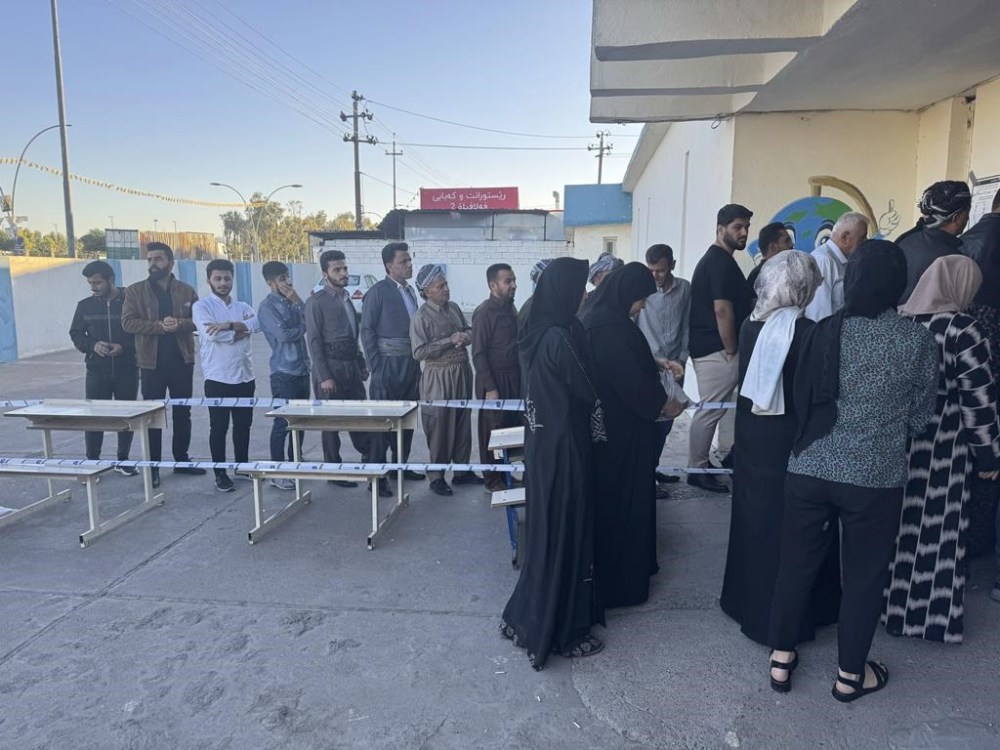
A relatively new opposition party, New Generation, won 15 seats, a significant increase from the eight seats it got in 2018, when the party was first established.
The Kurdistan Islamic Union, which came in fourth with seven seats, announced it will join the New Generation in opposition in the regional, 100-seat parliament. Other minor parties took a smattering of seats.
Despite some technical issues at the polls, voters turned out in large numbers, with 72% of eligible voters casting ballots.
The surge in support for the New Generation appeared to stem from growing disillusionment among younger voters, who are increasingly frustrated with the region’s ongoing economic challenges, including delays in salary payments, high unemployment, and perceived corruption within the traditional political leadership.
Economic concerns remain at the forefront — widespread dissatisfaction over delayed payments to civil servants, fluctuating oil prices, and ongoing budget disputes with the central government in Baghdad have fueled calls for reform.
Three Assyrian Christian candidates and two Turkmen candidates secured the five remaining quota seats for minorities, despite the Iraqi federal court’s controversial elimination of the reserved seats for ethnic and religious minorities earlier this year.
These seats are usually filled by candidates backed by the major political parties, leading some to say that they do not offer a genuine minority representation.
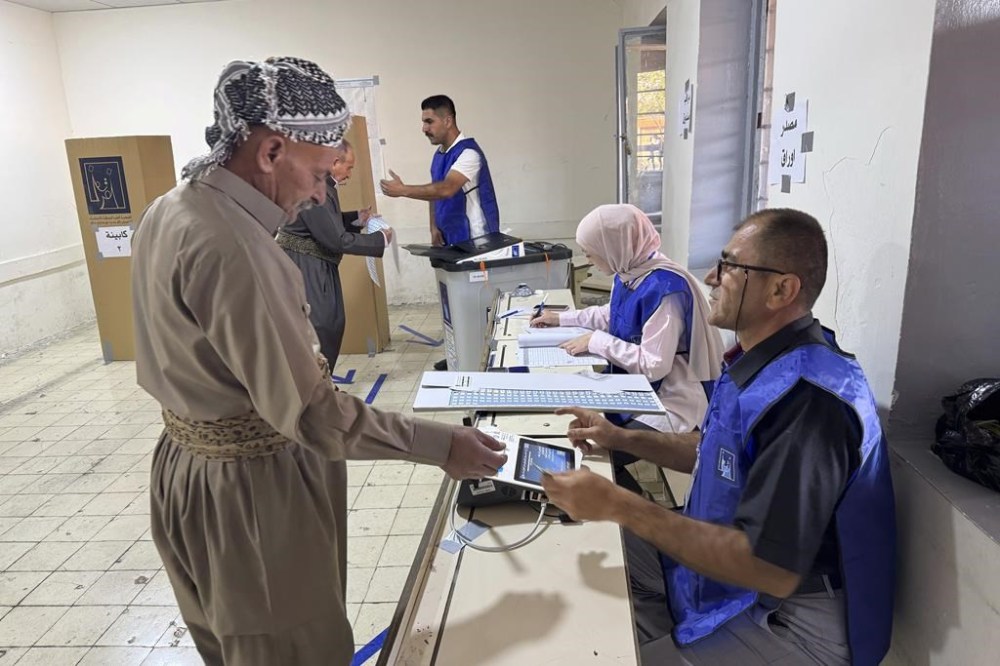
“We no longer have true representation in the parliament or the government; our voices are being silenced,” said Toma Khoshaba, an Assyrian ethnic activist.
Khoshaba argued that that these “so-called independent Assyrian representatives occupying the quota seats are largely supported by the Kurdistan Democratic Party” or by Shiite factions.
“Their loyalty lies with these dominant political groups, not with our communities,” he said.
The election outcome will also play a pivotal role in determining how Kurdish leaders handle ongoing disputes with Baghdad, particularly over oil revenue sharing and budget allocations, as well as the region’s broader economic challenges.