

California will rename places to remove racist term for a Native American woman
Advertisement
Read this article for free:
or
Already have an account? Log in here »
To continue reading, please subscribe:

Digital Subscription
One year of digital access for only $205*
- Enjoy unlimited reading on winnipegfreepress.com
- Read the E-Edition, our digital replica newspaper
- Access News Break, our award-winning app
- Play interactive puzzles
*First annual payment billed as $205.00 + GST for one year. This annual subscription will automatically renew at $233.00 + GST every 52 weeks (10% off the regular annual price of $259.35). Offer available to new and qualified returning subscribers only. Cancel any time.
To continue reading, please subscribe:
Add Free Press access to your Brandon Sun subscription for only an additional
$1 for the first 4 weeks*
- Enjoy unlimited reading on winnipegfreepress.com
- Read the E-Edition, our digital replica newspaper
- Access News Break, our award-winning app
- Play interactive puzzles
*Your next Brandon Sun subscription payment will increase by $1.00 and you will be charged $17.95 plus GST for four weeks. After four weeks, your payment will increase to $24.95 plus GST every four weeks.
Read unlimited articles for free today:
or
Already have an account? Log in here »
Hey there, time traveller!
This article was published 15/11/2024 (678 days ago), so information in it may no longer be current.
SACRAMENTO, Calif. (AP) — A racist term for a Native American woman will be removed from nearly three dozen geographic features and place names on California lands, the state Natural Resources Agency announced Friday.
California Gov. Gavin Newsom in 2022 signed a bill into law that bans use of the word “squaw” in future place names and ordered the agency rename all places that used the slur, including on streets, bridges, public buildings and cemeteries, the Los Angeles Times reported Friday.
New names have been selected in consultation with California’s Native American tribes for over 30 locations in 15 counties. The California Advisory Committee on Geographic Names will work to implement approved replacement names by Jan. 1.
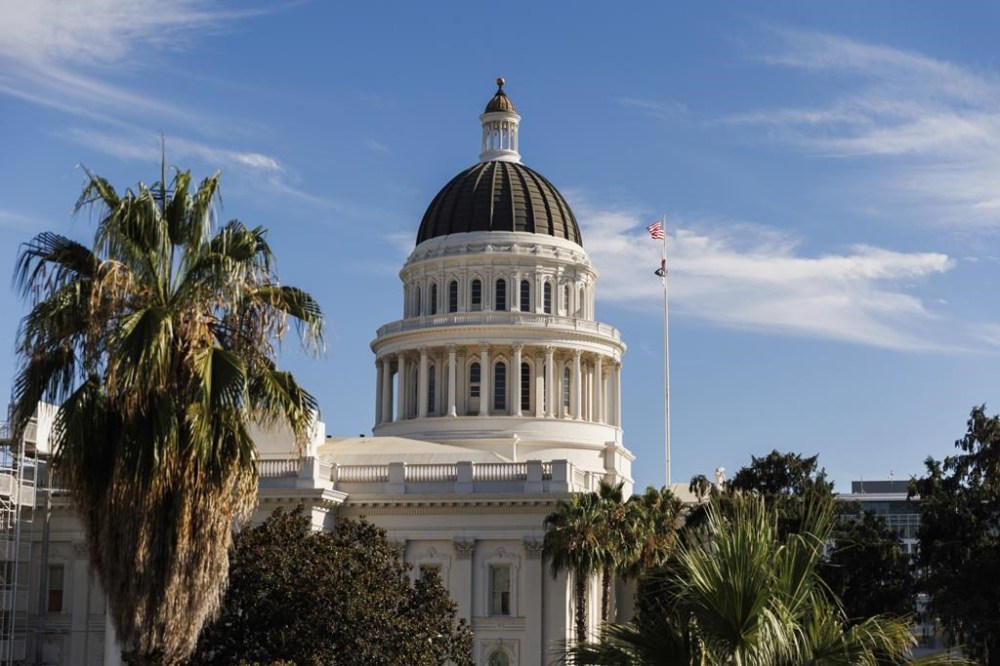
One example is in the city of West Sacramento, where local officials worked with the Yocha Dehe Wintun Nation to develop two new street names to replace the slur. The name recommended by the Tribal Council of the Yocha Dehe Wintun Nation is “tebti,” which is a word and blessing that translates to streams that flow together.
“With continued consultation, tribes can lead initiatives to eliminate such words from California’s public places,” said Anthony Roberts, tribal chairman.
A full list of new California names was not available Friday but will be made public shortly, the natural resources agency told The Associated Press in an email.
Assemblymember James C. Ramos, a Democrat from San Bernardino who became California’s first Native American state lawmaker in 2018, authored the bill. He is a resident of the San Manuel Indian Reservation and member of the Serrano/Cahuilla tribe.
In 2021, a popular Northern California ski resort changed its name to Palisades Tahoe as part of efforts nationally to address a history of colonialism and oppression against Native Americans and other people of color.
U.S. Secretary of the Interior Deb Haaland also moved in 2021 to rename any geographic features or location names on federal lands that use the term, including dozens in California.