

On board with Senegal’s navy as it searches for migrants on a popular but deadly route toward Europe
Advertisement
Read this article for free:
or
Already have an account? Log in here »
To continue reading, please subscribe:

Digital Subscription
One year of digital access for only $205*
- Enjoy unlimited reading on winnipegfreepress.com
- Read the E-Edition, our digital replica newspaper
- Access News Break, our award-winning app
- Play interactive puzzles
*First annual payment billed as $205.00 + GST for one year. This annual subscription will automatically renew at $233.00 + GST every 52 weeks (10% off the regular annual price of $259.35). Offer available to new and qualified returning subscribers only. Cancel any time.
To continue reading, please subscribe:
Add Free Press access to your Brandon Sun subscription for only an additional
$1 for the first 4 weeks*
- Enjoy unlimited reading on winnipegfreepress.com
- Read the E-Edition, our digital replica newspaper
- Access News Break, our award-winning app
- Play interactive puzzles
*Your next Brandon Sun subscription payment will increase by $1.00 and you will be charged $17.95 plus GST for four weeks. After four weeks, your payment will increase to $24.95 plus GST every four weeks.
Read unlimited articles for free today:
or
Already have an account? Log in here »
Hey there, time traveller!
This article was published 19/11/2024 (683 days ago), so information in it may no longer be current.
DAKAR, Senegal (AP) — As dawn arrived off the coast of Senegal, navy commander Assane Seye scanned the horizon.
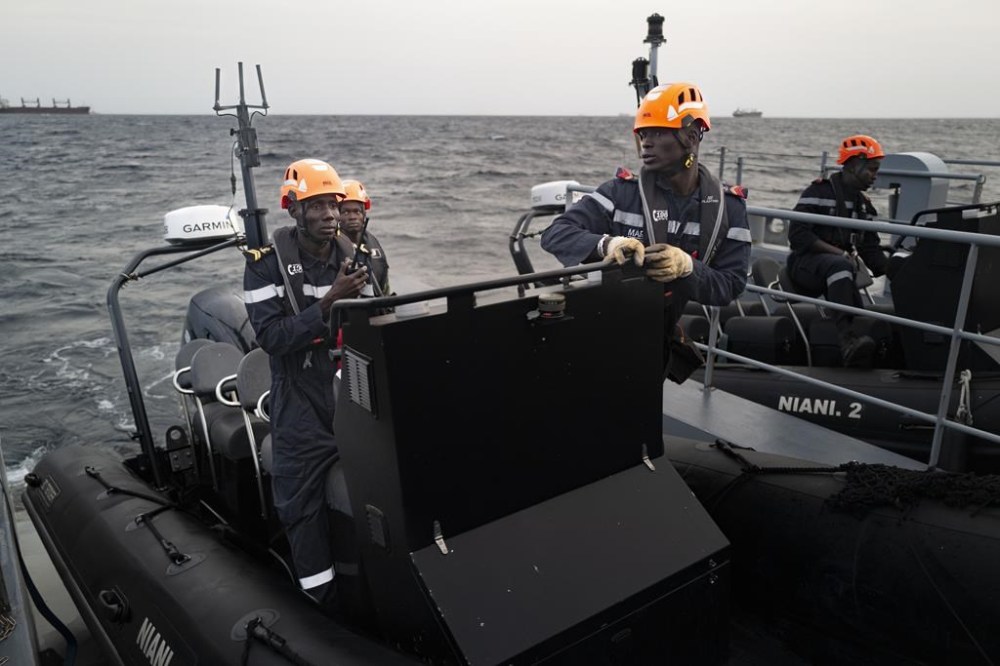
He is captain of the Niani, one of three new patrol vessels tasked with patrolling waters off the West African nation in search of a rapidly growing number of vulnerable boats carrying migrants on one of the world’s deadliest migration routes.
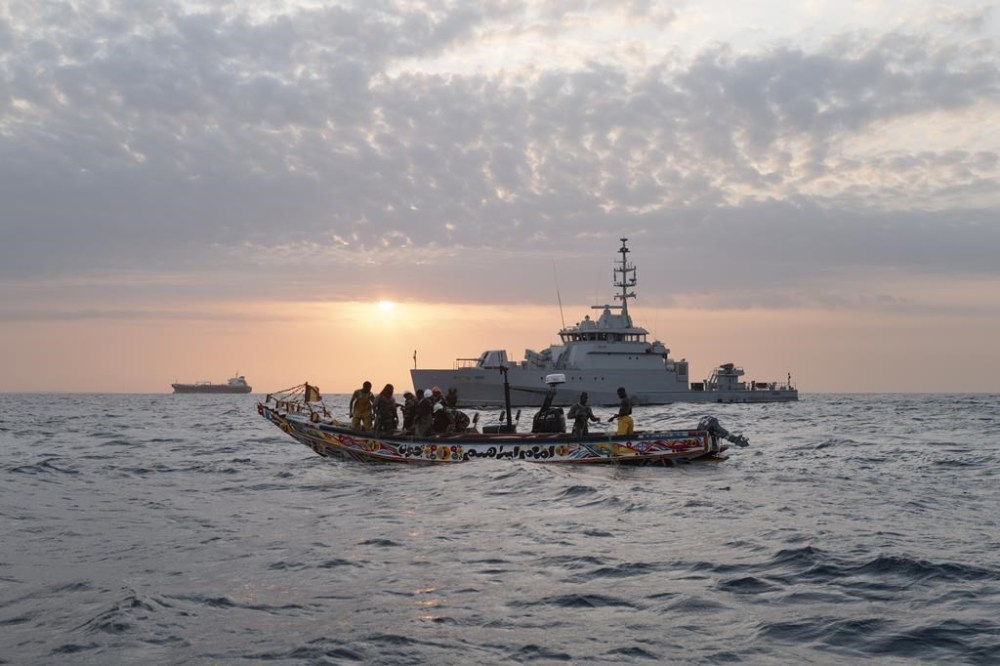
Dozens of people pile onto the wooden fishing vessels known as pirogues and risk their lives on a journey toward Spain’s Canary Islands, which have become the preferred landing point for West African migrants dreaming of a better life in Europe.
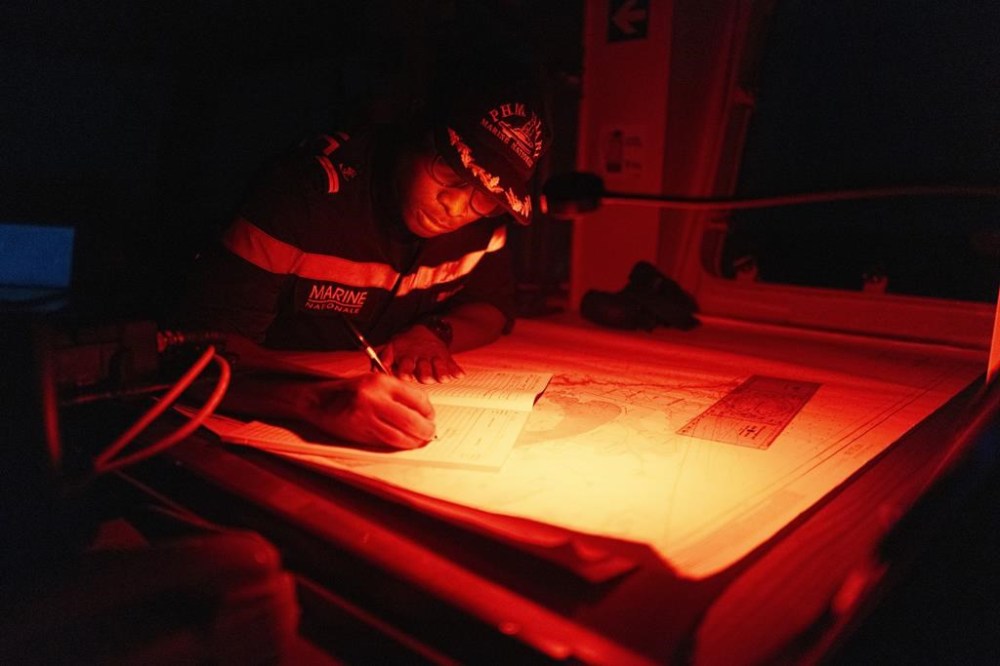
The Associated Press had rare access to one of the navy’s night patrols.
At a glance, Seye and his colleagues can tell whether a boat is out for fishing or for migration. The number of people crammed on board is their clue.
“Since Jan. 1, 2024, the navy has saved 4,780 people,” he said. That’s up from 2023.
Oumar Ndiaye, a lieutenant, said they intercepted a wooden boat with more than 200 people on board a month ago.
“There were a large number of people on this pirogue in really difficult conditions, who had already spent two or three days at sea,” he said. Intercepting such boats is a humanitarian mission, he added.
Seye said the navy is obliged to get the migrants to safety, whether they call for help or not.
“All that has to happen is a weather change, or one wrong move taken by the captain, for the pirogue to turn over and for people to be in danger,” he said.
The patrol teams bring the migrants on board and take them to shore. Once there, they are free to walk away — and perhaps try again. But if they’re from another country, they are repatriated.
Until recently, the Mediterranean was the main migrant route from West Africa to Europe. But the European Union has sent money to Libya and Tunisia, popular departure points in North Africa, aiming to curb migration from there.
Now the route via the Canary Islands is well-traveled. As of June, the number of “irregular” migrants landing in Spain was almost double that of the same period in 2023, according to the Spanish interior ministry. Spain registered nearly 25,000 such arrivals in the first half of 2024.
Earlier this year, the EU signed a 210 million euro deal with Mauritania, which neighbors Senegal, to stop smugglers from launching boats for Spain.
Both the Mediterranean route and this one toward the Canary Islands can be deadly.
While there is no accurate death toll because of the lack of information on departures from West Africa, the Spanish migrant rights group Walking Borders estimates the victims on the Canary Island route are in the thousands this year alone.
Some boats in trouble have drifted across the Atlantic, with the bodies inside posing a mystery for those who find them.
Migration is a contentious issue in Senegal. New President Barrious Diomaye Faye campaigned on promises of reforms to improve the living standards of ordinary Senegalese, in an effort to keep them at home.
Those proposed reforms include renegotiating fishing permits for foreign countries — often accused of crowding out local fishermen — and securing a bigger share of Senegal’s natural resources for the local population.
Over 60% of Senegalese people are under 25, and 90% work in informal jobs. They have watched for years as money made from natural resources has gone overseas.
Senegal went to the polls on Sunday in legislative elections that were called in September after the president dissolved the opposition-led parliament. Winning the majority in parliament would allow him to push through the reforms he promised.
But some young people in Senegal remain undeterred by the risks posed by the journey to Europe. They say the economic situation in Senegal gives them no choice.
___
Follow AP’s coverage of migration issues at https://apnews.com/hub/migration