

A major power plant fails in Cuba, plunging the island into darkness – again
Advertisement
Read this article for free:
or
Already have an account? Log in here »
To continue reading, please subscribe:

Digital Subscription
One year of digital access for only $205*
- Enjoy unlimited reading on winnipegfreepress.com
- Read the E-Edition, our digital replica newspaper
- Access News Break, our award-winning app
- Play interactive puzzles
*First annual payment billed as $205.00 + GST for one year. This annual subscription will automatically renew at $233.00 + GST every 52 weeks (10% off the regular annual price of $259.35). Offer available to new and qualified returning subscribers only. Cancel any time.
To continue reading, please subscribe:
Add Free Press access to your Brandon Sun subscription for only an additional
$1 for the first 4 weeks*
- Enjoy unlimited reading on winnipegfreepress.com
- Read the E-Edition, our digital replica newspaper
- Access News Break, our award-winning app
- Play interactive puzzles
*Your next Brandon Sun subscription payment will increase by $1.00 and you will be charged $17.95 plus GST for four weeks. After four weeks, your payment will increase to $24.95 plus GST every four weeks.
Read unlimited articles for free today:
or
Already have an account? Log in here »
Hey there, time traveller!
This article was published 04/12/2024 (670 days ago), so information in it may no longer be current.
HAVANA (AP) — A new, widespread power outage plunged Cuba into darkness on Wednesday after one of the island’s major power plants failed, leaving millions without electricity and forcing authorities to suspend classes and work activities indefinitely.
The Electric Union, the state-run power company, attributed the incident to the shutdown of the Antonio Guiteras Thermoelectric Plant in Matanzas province, east of Havana. The blackout, which occurred shortly after 2 a.m., affected the entire nation, the company said on X.
As of Wednesday morning, power began to be restored gradually in some parts of the country, including Havana.
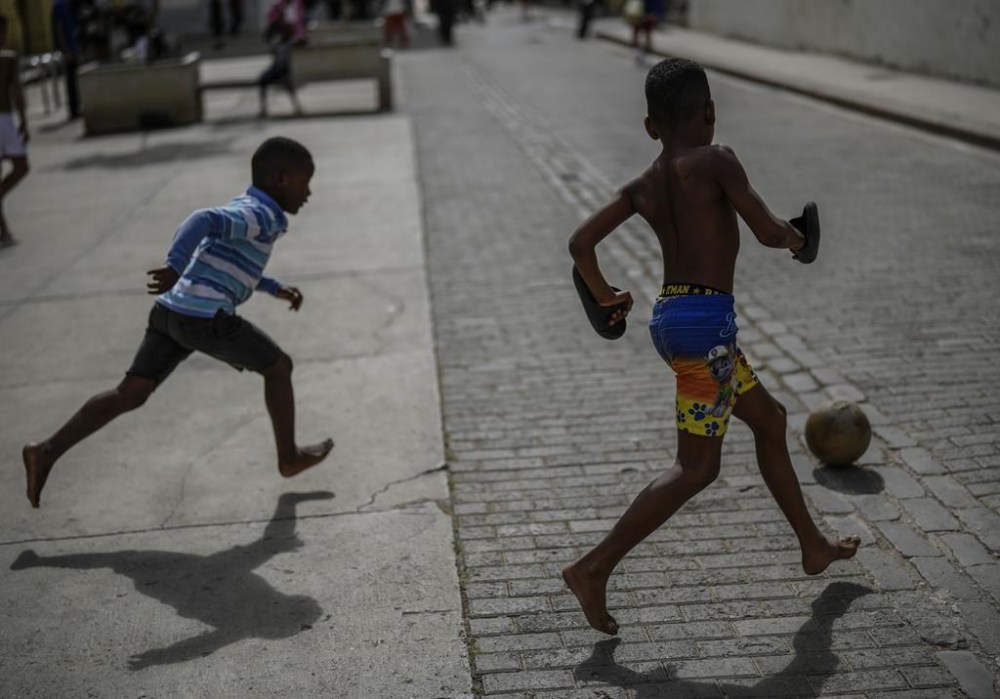
Cuba’s Minister of Energy and Mines Vicente de la O said later in a televised address that service would be fully restored by Thursday.
On Oct. 18, the island suffered a significant blackout that, added to the passage of Hurricane Oscar two days later, left the island without electricity for several days.
Weeks later, Hurricane Rafael’s strong winds triggered another system-wide blackout that left the national energy system disconnected again.
Cuba’s power grid has been plagued by frequent outages in recent months, with more than half of the country experiencing power cuts during peak hours. The outages are primarily caused by fuel shortages and aging infrastructure. In many parts of the island, electricity is crucial for cooking and water pumping.
The blackouts — caused in part by failures in old thermoelectric plants — are devastating, impacting families, schools and businesses.
Cuba gets its power from large thermoelectric plants like Antonio Guiteras and some smaller ones, which run on crude oil. While the island produces about half of its own crude oil, it must import the remainder, which can be difficult — and costly — due to U.S. sanctions. It has historically relied on allies like Venezuela and Russia for cheaper fuel supplies.
Cuba has been working on a project to upgrade the island’s electrical grid through the use of alternative power sources. The construction of 31 centers to generate solar energy is under way and expected to be completed next year.
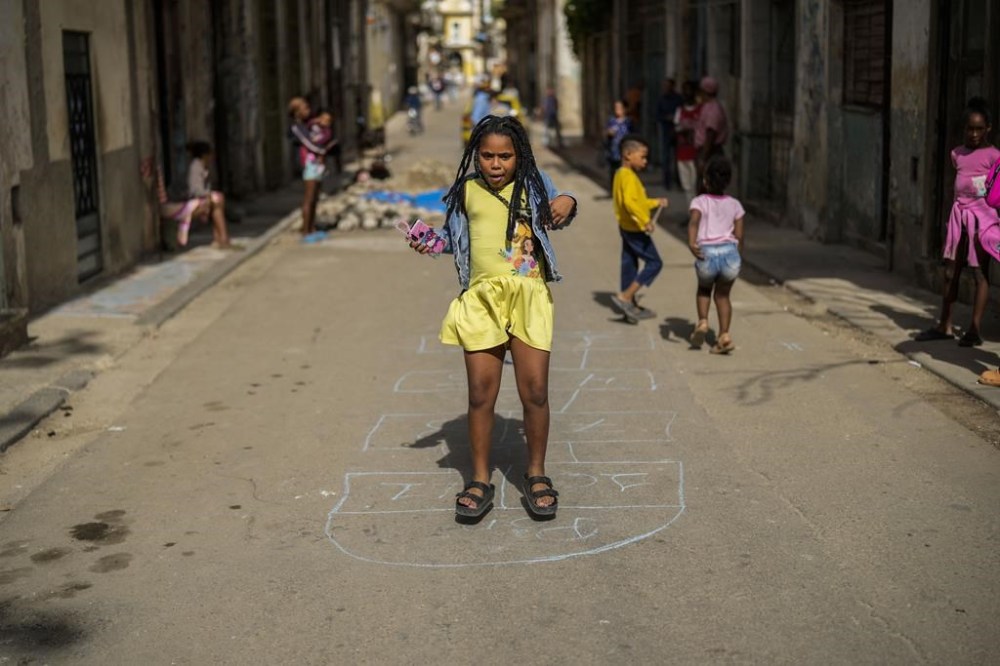
Cuba’s economic crisis has worsened in recent years, leading to food and fuel shortages, mounting inflation and a loss of purchasing power —and forcing thousands to flee, mainly to the U.S. but also Spain and other Latin American countries.
____
Follow AP’s coverage of Latin America and the Caribbean at https://apnews.com/hub/latin-america

Advertisement Advertise With Us
Advertisement Advertise With Us