

Hundreds of Syrians line up at Turkish border crossings as Erdogan expects more to go home
Advertisement
Read this article for free:
or
Already have an account? Log in here »
To continue reading, please subscribe:

Digital Subscription
One year of digital access for only $205*
- Enjoy unlimited reading on winnipegfreepress.com
- Read the E-Edition, our digital replica newspaper
- Access News Break, our award-winning app
- Play interactive puzzles
*First annual payment billed as $205.00 + GST for one year. This annual subscription will automatically renew at $233.00 + GST every 52 weeks (10% off the regular annual price of $259.35). Offer available to new and qualified returning subscribers only. Cancel any time.
To continue reading, please subscribe:
Add Free Press access to your Brandon Sun subscription for only an additional
$1 for the first 4 weeks*
- Enjoy unlimited reading on winnipegfreepress.com
- Read the E-Edition, our digital replica newspaper
- Access News Break, our award-winning app
- Play interactive puzzles
*Your next Brandon Sun subscription payment will increase by $1.00 and you will be charged $17.95 plus GST for four weeks. After four weeks, your payment will increase to $24.95 plus GST every four weeks.
Read unlimited articles for free today:
or
Already have an account? Log in here »
Hey there, time traveller!
This article was published 09/12/2024 (638 days ago), so information in it may no longer be current.
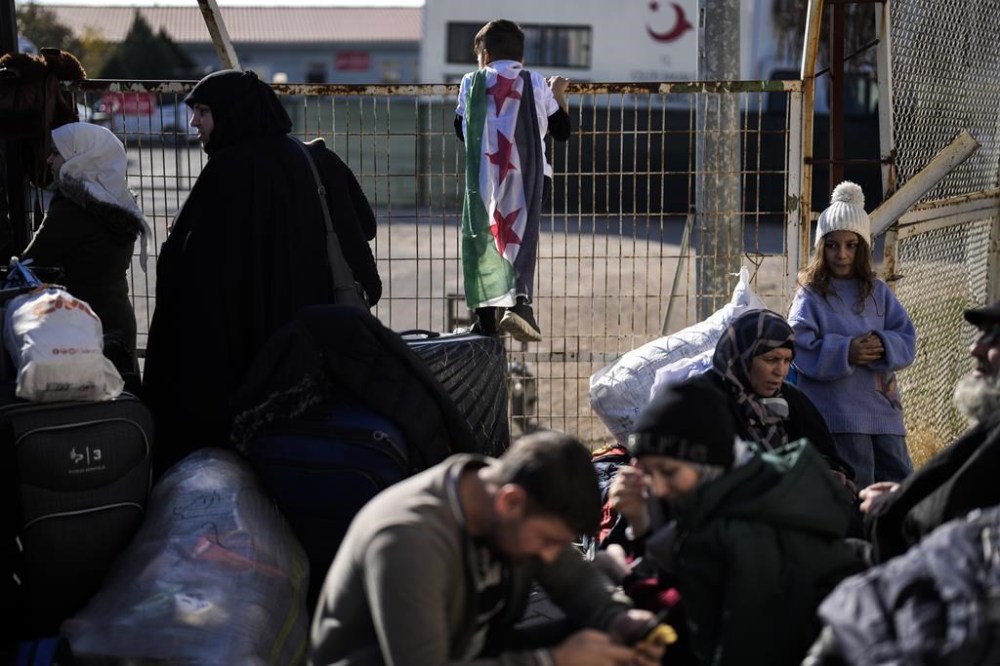
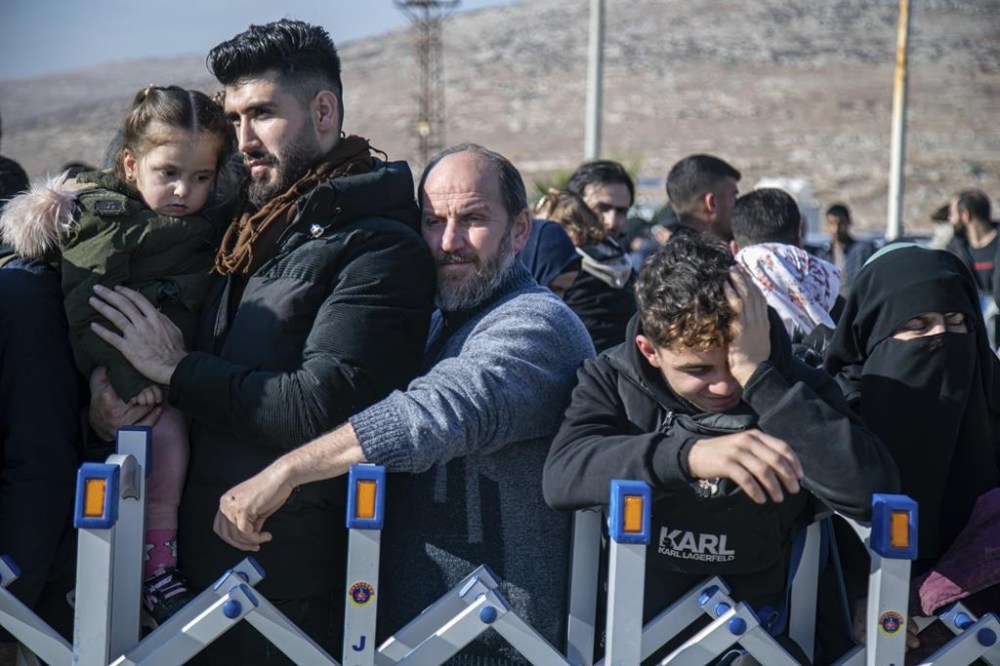
CILVEGOZU BORDER CROSSING, Turkey (AP) — Hundreds of Syrian refugees gathered at two border crossings in southern Turkey on Monday, eagerly anticipating their return home following the fall of Bashar Assad’s government.
Many arrived at the Cilvegozu and Oncupinar gates at daybreak, draped in blankets and coats. Some camped by the barriers, warming at makeshift fires. The crossings correspond to the Bab al-Hawa and Bab al-Salameh gates on the Syrian side.
Among those waiting at Cilvegozu was 28-year-old Muhammed Zin, who fled Damascus in 2016 and has been living and working in Istanbul.
“Assad was shooting us, killing us,” he told The Associated Press. “I will return to Syria now. Thank God, the war is over.”
Assad’s fall has sparked widespread joy among Turkey’s 3 million Syrian refugees, with many taking to the streets of Istanbul and other cities to celebrate. On Sunday, Syrians removed the government’s flag from the Syrian Consulate in Istanbul, replacing it with the opposition’s flag.
At the Oncupinar border gate, Mustafa Sultan, 29, said he was crossing into Syria to find his older brother who was imprisoned in Damascus under Assad’s rule.
“I haven’t seen him for 13 years. The prisons have been emptied so I am going to go see whether he’s alive,” he said.
Turkish officials have not said how many Syrians have returned since Assad’s downfall on Sunday. But Turkish President Recep Tayyip Erdogan said the numbers would increase as Syria stabilizes, and announced plans to reopen a third border crossing to prevent congestion.
“As Syria gains more stability, God willing, voluntary, safe and honorable returns will increase,” Erdogan said in a televised address following a Cabinet meeting.
Turkey welcomed Syrian refugees with open arms in the early years of Syria’s civil war that broke out in 2011 — becoming host to the world’s largest number of refugees. Ankara believed the conflict would end quickly and the influx would be temporary.
But as Turkey faced economic challenges, public opinion toward the refugees soured, forcing Erdogan’s government to seek ways to ensure their safe and voluntary repatriation.
Turkish officials now hope that a significant number of Syrians will return voluntarily.
“We will continue our efforts to ensure the safe and voluntary return of Syrians and to rebuild the country,” Turkish Foreign Minister Hakan Fidan said Monday.
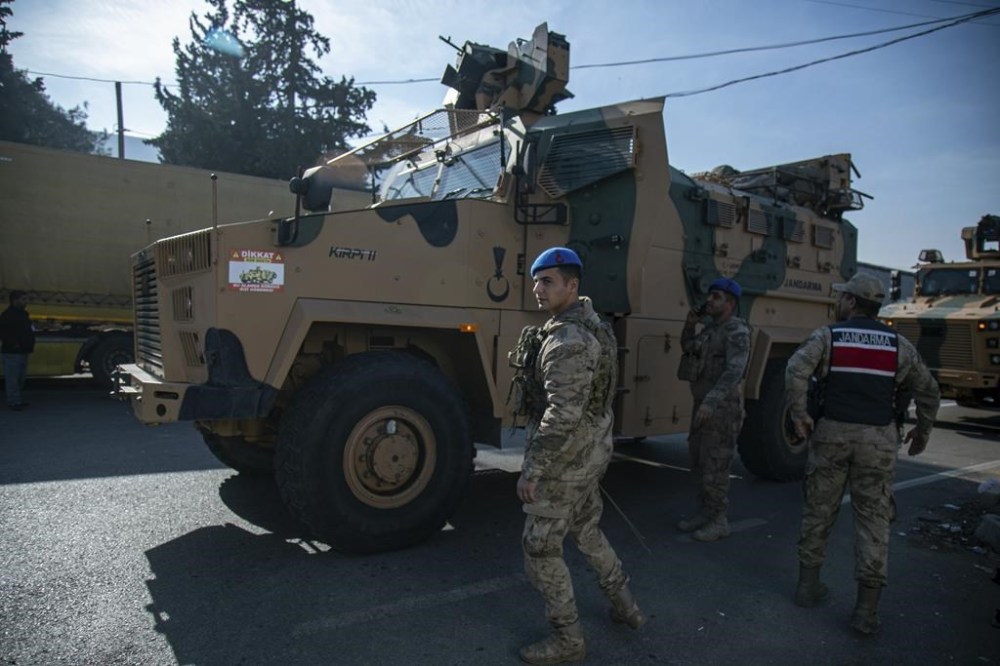
At Cilvegozu, some refugees wheeled their suitcases while others carried belongings in sacks. Authorities set up a checkpoint some 5 kilometers (3 miles) away, only allowing Syrians with proper documents to the border gate, HaberTurk television reported.
Zakariya Mori al-Shami, 31, who arrived in Turkey in 2019, was waiting to cross with his wife and two children to return to Aleppo. He hopes to rebuild his home, which was destroyed during the conflict.
Anxious to rejoin his family in Damascus, Mohammed al Muhbuhar, 27, said he headed to the border “immediately” after Assad left.
“There is no more torture. God willing, Syria will be better,” he said.
Hundreds of displaced Syrians were also returning Monday from Lebanon.
Sami Abdel-Latif, a construction worker from Hama who hoped to join his wife and four children, said while the future in Syria is uncertain, “anything is better than Bashar.” He said he expected some chaos initially but that eventually the situation would settle down.
“Look at Aleppo now,” Abdel-Latif said, referring to the first major city taken by opposition forces more than a week ago, where life has continued more or less as normal.
Malak Matar, who was preparing to return to Damascus, said: “You feel yourself psychologically free — you can express yourself,” saying people had waited 14 years for that.
Now, he said, “Syrians have to create a state that is well-organized and takes care of their country. It’s a new phase.”
___
Guzel reported from the Oncupinar border crossing. Associated Press writers Suzan Fraser in Ankara, Turkey and Robert Badendieck in Istanbul contributed to this report.
___
Follow the AP’s Syria coverage at https://apnews.com/hub/syria