

Proposal to change India’s voting system to allow simultaneous polls fails to pass lower Parliament
Advertisement
Read this article for free:
or
Already have an account? Log in here »
To continue reading, please subscribe:

Digital Subscription
One year of digital access for only $205*
- Enjoy unlimited reading on winnipegfreepress.com
- Read the E-Edition, our digital replica newspaper
- Access News Break, our award-winning app
- Play interactive puzzles
*First annual payment billed as $205.00 + GST for one year. This annual subscription will automatically renew at $233.00 + GST every 52 weeks (10% off the regular annual price of $259.35). Offer available to new and qualified returning subscribers only. Cancel any time.
To continue reading, please subscribe:
Add Free Press access to your Brandon Sun subscription for only an additional
$1 for the first 4 weeks*
- Enjoy unlimited reading on winnipegfreepress.com
- Read the E-Edition, our digital replica newspaper
- Access News Break, our award-winning app
- Play interactive puzzles
*Your next Brandon Sun subscription payment will increase by $1.00 and you will be charged $17.95 plus GST for four weeks. After four weeks, your payment will increase to $24.95 plus GST every four weeks.
Read unlimited articles for free today:
or
Already have an account? Log in here »
Hey there, time traveller!
This article was published 17/12/2024 (668 days ago), so information in it may no longer be current.
NEW DELHI (AP) — A controversial legislation submitted by Prime Minister Narendra Modi’s government to change India’s voting system failed to pass Tuesday in the country’s lower house of Parliament.
Law minister, Arjun Ram Meghwal, presented the legislation which proposed allowing elections for state assemblies and the national parliament to be held simultaneously. However, it was not approved as the vote fell short of the required two-thirds majority; only 269 lawmakers voted in favor of the proposal while 198 were against it.
The government says simultaneous polls will result in higher economic growth and pave the way for better governance as they will reduce the frequency of election campaigns and expenses and allow politicians to focus on their work.
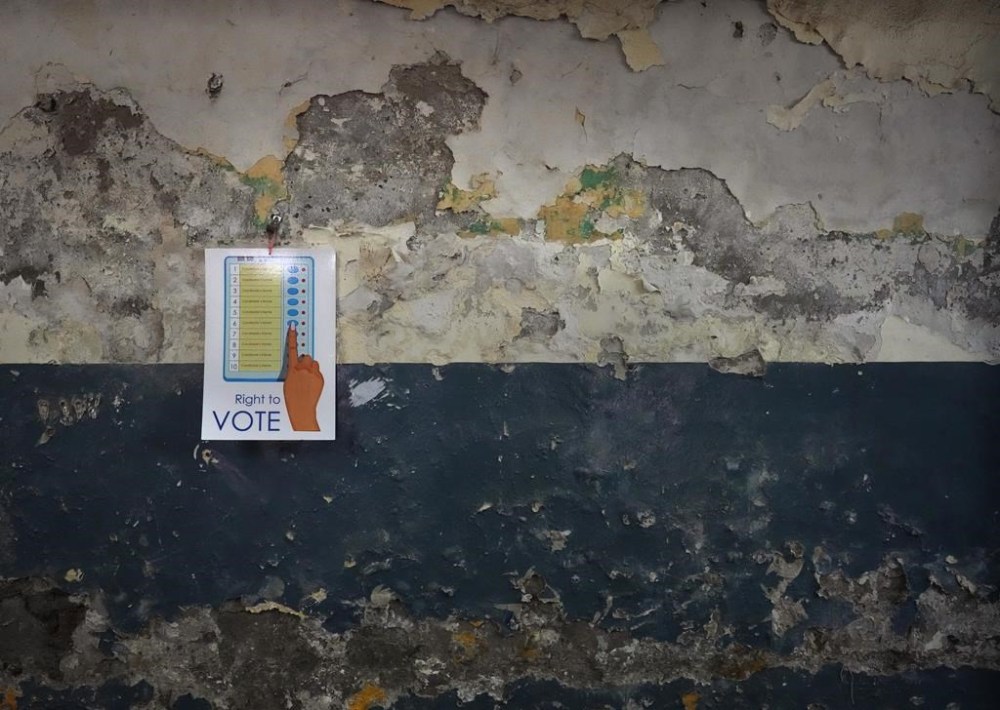
However, India’s opposition has strongly objected to the legislation, which has been under review for over a year. Critics say the proposed system will undermine federalism and risks shifting India toward a presidential election model and could give unfair poll advantage to the governing parties at the federal level in state elections.
The South Asian country of more than 1.4 billion people has 28 states and eight federal territories. Currently, staggered state and parliamentary elections are held at different times across India, with few state polls scheduled almost every year.
India’s last national election was held in seven phases over 44 days.
Meghwal said on Tuesday the government was willing to send the legislation to a parliamentary committee for wider consultation.
As per the draft, the legislation if approved as a law can be put into action in “the first sitting” of the lower house of the parliament after a national election — which implies it can’t be implemented until 2029 when the current government’s term ends.
Modi’s government has long advocated for the proposed system and appointed a nine-member panel last year to look into whether it was feasible. The panel recommended the plan in March, saying it would help reduce wasting public funds and increase voter turnout.
The legislation must be approved by both houses of the parliament by a two-thirds majority in each before it becomes law. The new system, if approved, would also require amendments to India’s Constitution and approval from all states and federal territories, experts say.
Unlike its two previous terms, Modi’s Hindu nationalist Bharatiya Janata Party does not have a majority in the lower house of the parliament and banks on its partners from the National Democratic Alliance and friendly parties to get laws passed.