

Micheál Martin’s return as Ireland’s leader delayed by parliamentary wrangling
Advertisement
Read this article for free:
or
Already have an account? Log in here »
To continue reading, please subscribe:
Monthly Digital Subscription
$1 per week for 24 weeks*
- Enjoy unlimited reading on winnipegfreepress.com
- Read the E-Edition, our digital replica newspaper
- Access News Break, our award-winning app
- Play interactive puzzles
*Billed as $4.00 plus GST every four weeks. After 24 weeks, price increases to the regular rate of $19.95 plus GST every four weeks. Offer available to new and qualified returning subscribers only. Cancel any time.
Monthly Digital Subscription
$4.99/week*
- Enjoy unlimited reading on winnipegfreepress.com
- Read the E-Edition, our digital replica newspaper
- Access News Break, our award-winning app
- Play interactive puzzles
*Billed as $19.95 plus GST every four weeks. Cancel any time.
To continue reading, please subscribe:
Add Free Press access to your Brandon Sun subscription for only an additional
$1 for the first 4 weeks*
*Your next subscription payment will increase by $1.00 and you will be charged $16.99 plus GST for four weeks. After four weeks, your payment will increase to $23.99 plus GST every four weeks.
Read unlimited articles for free today:
or
Already have an account? Log in here »
Hey there, time traveller!
This article was published 22/01/2025 (429 days ago), so information in it may no longer be current.
DUBLIN (AP) — Irish lawmakers met Wednesday to appoint a new prime minister, but quickly abandoned the attempt amid bitter wrangling over parliamentary procedure.
The chaotic scenes mean the expected appointment of veteran politician Micheál Martin must wait until at least Thursday.
“I think that what happened today was shocking,” Martin said after a day of arguments and delays in the Dáil, parliament’s lower house. “This is the first time, I think, in over 100 years that the Dáil has failed to elect a government to fulfil its constitutional obligation.”
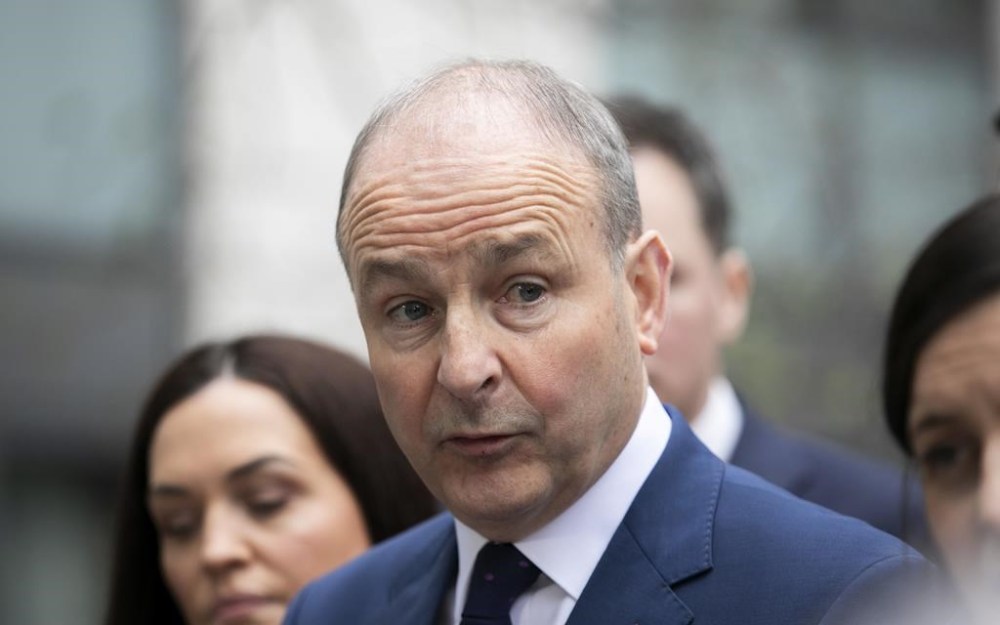
Attempts to form a new government come almost two months after an election in which Martin’s Fianna Fáil party won the most seats, but not enough to govern alone.
After weeks of talks, the long-dominant center-right parties Fianna Fáil and Fine Gael agreed to form a coalition with the support of several independent lawmakers.
Under the deal, Martin. 64, will be taoiseach, or prime minister, for three years, with Fine Gael’s Simon Harris – the outgoing taoiseach – as his deputy. The two politicians will then swap jobs for the rest of the five-year term.
Members of both parties have ratified the government agreement, and Martin was set to be confirmed by members of the Dáil on Wednesday.
But speaker Verona Murphy repeatedly suspended the session as lawmakers argued about whether independents who back the government should be given opposition speaking time. She finally adjourned the session until Thursday morning.
Once Martin is approved, he will be formally appointed to the job by President Michael D. Higgins before naming his cabinet.
In Ireland’s Nov. 29 election, voters bucked a global trend that saw incumbent governments ousted around the world in 2024.
Fianna Fail won 48 of the 174 legislative seats and Fine Gael 38. They’ve secured backing to govern from the mostly conservative Regional Independent Group, which will be given junior ministerial positions.
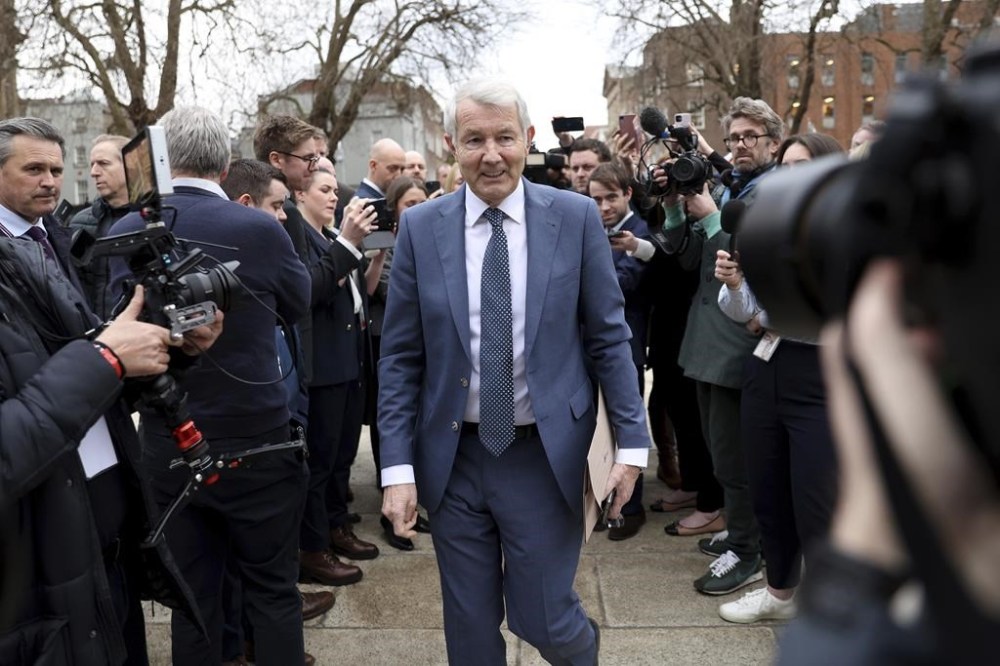
Fine Gael and Fianna Fáil share broadly similar center-right policies but a century-old rivalry stemming from their origins on opposing sides of Ireland’s civil war in the 1920s. They formed an alliance after the 2020 election ended in a virtual dead heat.
Their new agreement shuts out left-of-center party Sinn Fein, which will stay in opposition despite winning 39 seats. Fine Gael and Fianna Fail have refused to work with them because of their historic ties with the Irish Republican Army during three decades of violence in Northern Ireland.
The new government faces huge pressure to ease rising homelessness, driven by soaring rents and property prices, and to better absorb a growing number of asylum-seekers.
The cost of living — especially Ireland’s acute housing crisis — was a dominant topic in the election campaign, and immigration has become an emotive and challenging issue in a country of 5.4 million people long defined by emigration.