

Nicaragua makes Daniel Ortega and his wife Murillo ‘copresidents,’ fueling democratic rebuke
Advertisement
Read this article for free:
or
Already have an account? Log in here »
To continue reading, please subscribe:

Digital Subscription
One year of digital access for only $205*
- Enjoy unlimited reading on winnipegfreepress.com
- Read the E-Edition, our digital replica newspaper
- Access News Break, our award-winning app
- Play interactive puzzles
*First annual payment billed as $205.00 + GST for one year. This annual subscription will automatically renew at $233.00 + GST every 52 weeks (10% off the regular annual price of $259.35). Offer available to new and qualified returning subscribers only. Cancel any time.
To continue reading, please subscribe:
Add Free Press access to your Brandon Sun subscription for only an additional
$1 for the first 4 weeks*
- Enjoy unlimited reading on winnipegfreepress.com
- Read the E-Edition, our digital replica newspaper
- Access News Break, our award-winning app
- Play interactive puzzles
*Your next Brandon Sun subscription payment will increase by $1.00 and you will be charged $17.95 plus GST for four weeks. After four weeks, your payment will increase to $24.95 plus GST every four weeks.
Read unlimited articles for free today:
or
Already have an account? Log in here »
Hey there, time traveller!
This article was published 30/01/2025 (600 days ago), so information in it may no longer be current.
MEXICO CITY (AP) — Nicaragua’s Congress approved a constitutional reform on Thursday that would make President Daniel Ortega and his wife, current Vice President Rosario Murillo, “copresidents” of the Central American nation.
The proposal also expanded the presidential term to six years from five in a move that further consolidated the family’s firm grip on power.
The initiative was already pushed forward in November and because Ortega and Murillo’s Sandinista party control the congress and all government institutions, there was little doubt it would pass.
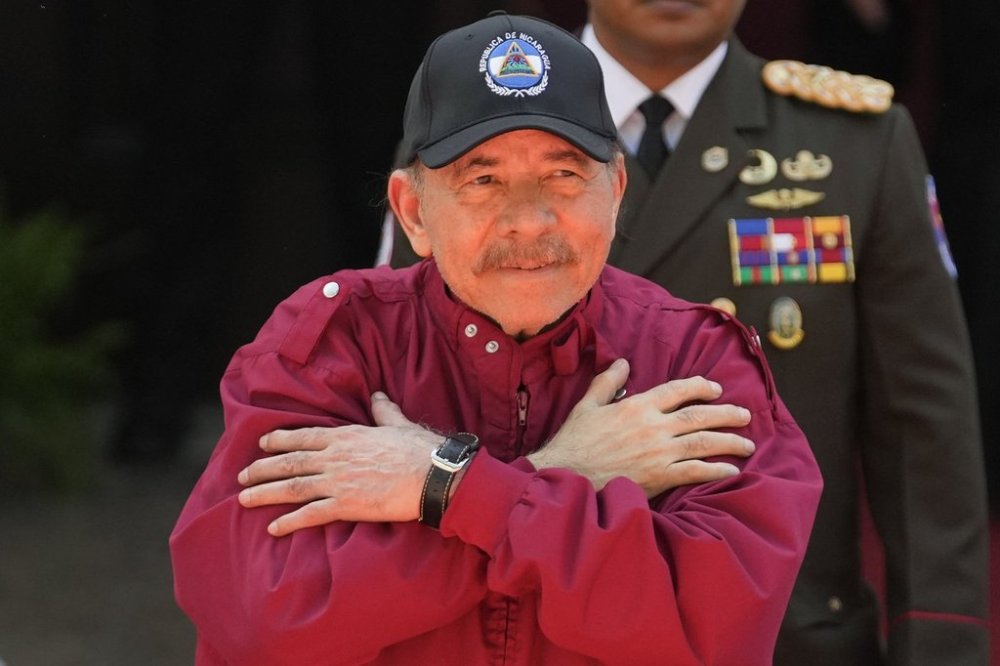
Experts say the new constitution, which took effect on Thursday, was yet another move to guarantee presidential succession for Murillo and their family and further chip away at the few remaining balances of powers left after years of democratic crackdowns. Murillo already wielded significant power over the government.
Though in an audio published to state media’s Instagram page on Thursday, Murillo declared that the reform “strengthens the model of people’s President, the model of direct democracy.”
The proposals come amid an ongoing crackdown by the Ortega government since mass social protests in 2018 that the government violently repressed.
Nicaragua’s government has imprisoned adversaries, religious leaders, journalists and more, then exiled them, stripping hundreds of their Nicaraguan citizenship and possessions. Since 2018, it has shuttered more than 5,000 organizations, largely religious, and forced thousands to flee the country.
The Thursday measure quickly fueled a new round of criticism from the government with Reed Brody, an American human rights lawyer and member of a group of UN experts on the Central American country saying it was yet another expansion of the family’s power in a post on the social media platform X.
“Nicaragua’s grotesque Constitutional reforms sound the death knell for the rule of law and basic freedoms,” he wrote.