

Oklahoma board denies clemency for man on death row, clears path for March execution
Advertisement
Read this article for free:
or
Already have an account? Log in here »
To continue reading, please subscribe:
Monthly Digital Subscription
$1 per week for 24 weeks*
- Enjoy unlimited reading on winnipegfreepress.com
- Read the E-Edition, our digital replica newspaper
- Access News Break, our award-winning app
- Play interactive puzzles
*Billed as $4.00 plus GST every four weeks. After 24 weeks, price increases to the regular rate of $19.95 plus GST every four weeks. Offer available to new and qualified returning subscribers only. Cancel any time.
Monthly Digital Subscription
$4.99/week*
- Enjoy unlimited reading on winnipegfreepress.com
- Read the E-Edition, our digital replica newspaper
- Access News Break, our award-winning app
- Play interactive puzzles
*Billed as $19.95 plus GST every four weeks. Cancel any time.
To continue reading, please subscribe:
Add Free Press access to your Brandon Sun subscription for only an additional
$1 for the first 4 weeks*
*Your next subscription payment will increase by $1.00 and you will be charged $16.99 plus GST for four weeks. After four weeks, your payment will increase to $23.99 plus GST every four weeks.
Read unlimited articles for free today:
or
Already have an account? Log in here »
Hey there, time traveller!
This article was published 05/02/2025 (414 days ago), so information in it may no longer be current.
OKLAHOMA CITY (AP) — An Oklahoma board rejected clemency on Wednesday for a man sentenced to die for fatally shooting a woman during a 2005 home-invasion robbery, clearing the way for him to become the first person executed in the state this year.
The Pardon and Parole Board voted 4-1 to deny recommending clemency for Wendell Grissom, 57, who turned down an opportunity to speak to the board via a video link from the State Penitentiary in McAlester. He is scheduled to die by lethal injection on March 20.
Grissom and a co-defendant, Jessie Floyd Johns, were convicted of killing of Amber Matthews, 23, and wounding her friend, Dreu Kopf, at Kopf’s Blaine County residence. Johns was sentenced to life in prison without parole.
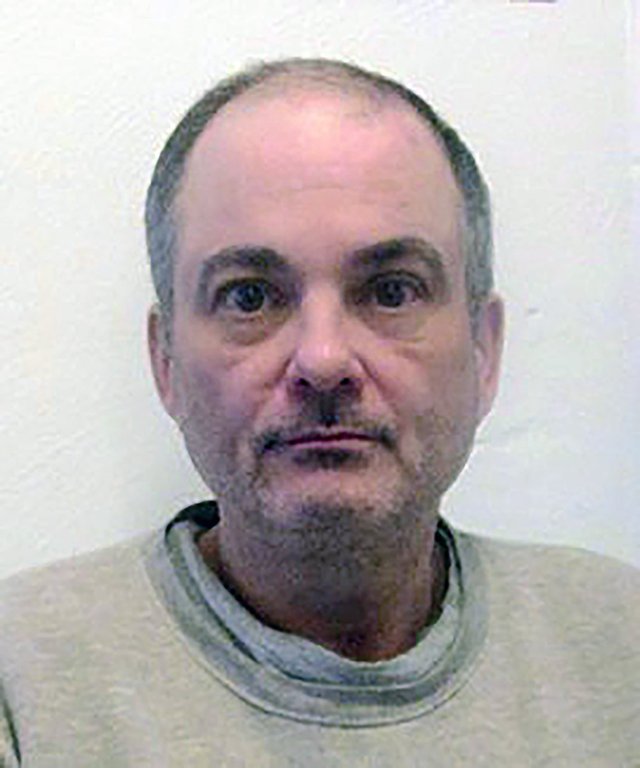
Grissom’s attorneys, federal public defenders Kristi Christopher and Thomas Hird, did not dispute Grissom’s guilt, but argued that he suffered from brain damage that was never presented to a jury. They also told the board Grissom has always accepted responsibility and expressed remorse for Matthews’ killing, even writing an apology to the woman’s family during his first interview with police.
“He cannot change the past, but he is now and always has been deeply ashamed and remorseful,” Christopher said.
Grissom’s attorneys also said they have spoken to several jurors in the case, including the jury foreman, who said they likely would not have voted for the death penalty if they knew about Grissom’s brain damage.
Prosecutors disputed Grissom’s attorneys’ claims that the killing was due to a lack of impulse control as a result of brain damage. Assistant Attorney General Jennifer Crabb said the men loaded up with firearms and ammunition, bought gloves and made sure there were no men at the house before Grissom started shooting.
Attorney General Gentner Drummond called Matthew’s killing a “textbook” death penalty case.
“The crimes committed by Grissom, random, brutal attacks on innocent strangers in the sanctity of their own home, are the very kind that keep people awake at night,” Drummond said.
The board also heard emotional testimony from Kopf, who said she still carries deep mental and physical scars from the attack, including bullet fragments that remain in her body. She said for years, she called 911 when the doorbell rang or there was a stranger in her neighborhood.
“I lived in a heightened state of fear at all times,” she said tearfully.
Without a clemency recommendation from the board, Oklahoma Gov. Kevin Stitt cannot commute Grissom’s death sentence. Stitt has granted clemency only once in his six years in office, in 2021, to death row inmate Julius Jones, commuting his sentence to life without parole just hours before Jones was scheduled to receive a lethal injection. Stitt has denied clemency recommendations from the board in four other cases.