

Romanian President Klaus Iohannis announces resignation after pressure by populists
Advertisement
Read this article for free:
or
Already have an account? Log in here »
To continue reading, please subscribe:

Digital Subscription
One year of digital access for only $205*
- Enjoy unlimited reading on winnipegfreepress.com
- Read the E-Edition, our digital replica newspaper
- Access News Break, our award-winning app
- Play interactive puzzles
*First annual payment billed as $205.00 + GST for one year. This annual subscription will automatically renew at $233.00 + GST every 52 weeks (10% off the regular annual price of $259.35). Offer available to new and qualified returning subscribers only. Cancel any time.
To continue reading, please subscribe:
Add Free Press access to your Brandon Sun subscription for only an additional
$1 for the first 4 weeks*
- Enjoy unlimited reading on winnipegfreepress.com
- Read the E-Edition, our digital replica newspaper
- Access News Break, our award-winning app
- Play interactive puzzles
*Your next Brandon Sun subscription payment will increase by $1.00 and you will be charged $17.95 plus GST for four weeks. After four weeks, your payment will increase to $24.95 plus GST every four weeks.
Read unlimited articles for free today:
or
Already have an account? Log in here »
Hey there, time traveller!
This article was published 10/02/2025 (565 days ago), so information in it may no longer be current.
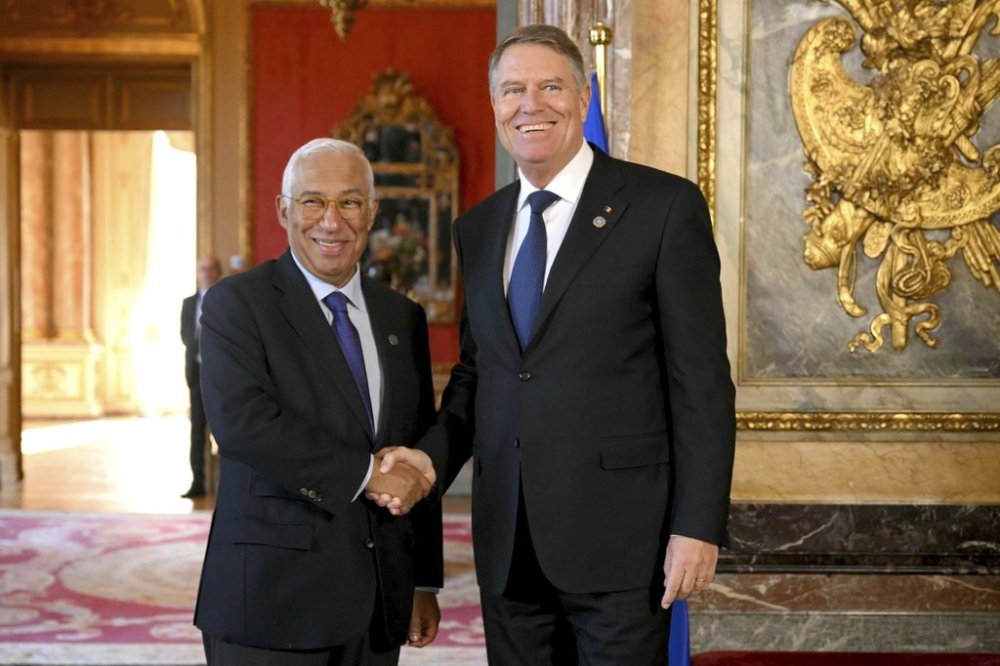
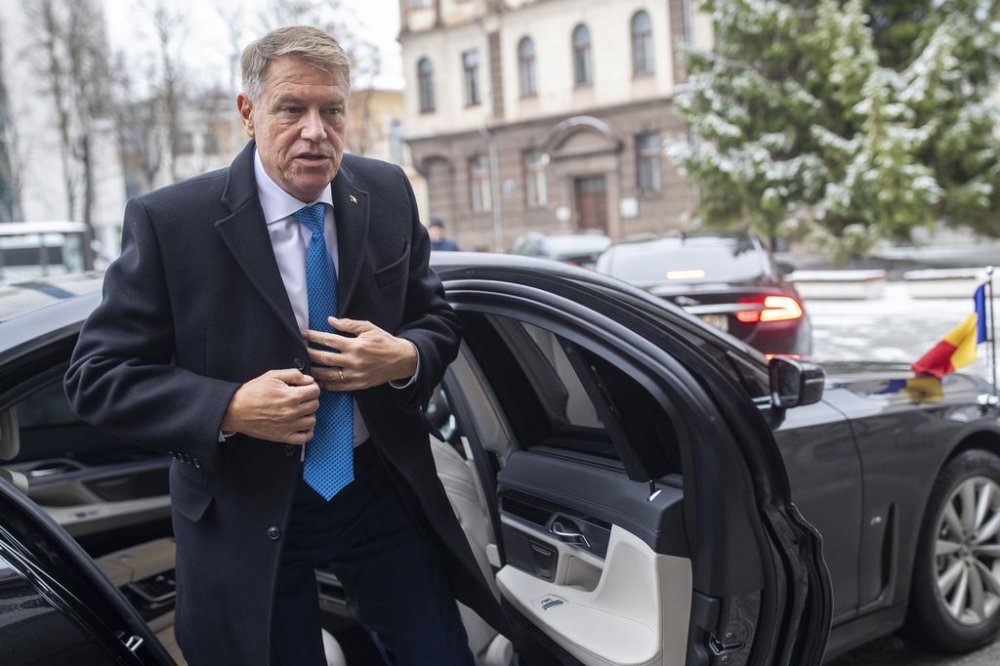
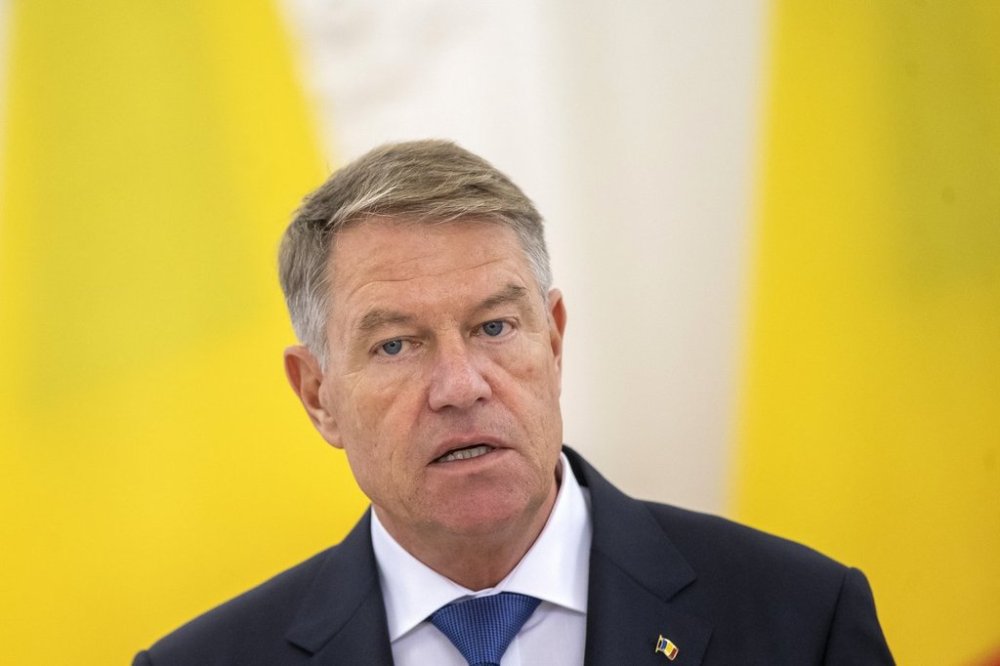
BUCHAREST, Romania (AP) — Romanian President Klaus Iohannis announced his resignation on Monday following mounting pressure from populist opposition groups, two months after a top court annulled a presidential election in the European Union country.
“To spare Romania from this crisis, I am resigning as president of Romania,” he said in an emotional address, adding that he will leave office on Feb. 12.
Iohannis, 65, has held the presidential role since 2014 and served the maximum of two five-year terms. But his presidency was extended in December after the Constitutional Court canceled the presidential race two days before a Dec. 8 runoff.
That came after the far-right populist Calin Georgescu unexpectedly won the first round as allegations emerged of Russian interference and electoral violations.
Several opposition parties, including the far-right Alliance for the Unity of Romanians (AUR), the nationalist S.O.S party and the Party of Young People, and also some members of the reformist Save Romania Union party (USR) sought Iohannis’ ouster through a motion filed to Parliament. Several lawmakers from the governing coalition were also expected to vote in favor.
“This is a useless endeavor because, in any case, I will leave office in a few months after the election of the new president,” Iohannis said. “It is an unfounded move because I have never — I repeat, never — violated the constitution. And it is a harmful endeavor because … everyone loses, and no one gains.”
He added that the consequences of his ouster would be “long-lasting and highly negative” for Romania, an EU member since 2007, and a NATO member since 2004. “None of our partners will understand why Romania is dismissing its president when the process for electing a new president has already begun,” he said.
After his resignation announcement, clashes broke out between Georgescu supporters and police in front of the government building in the capital, Bucharest, and tear gas was used to disperse the protesters.
New dates have been set to rerun the presidential vote with the first round scheduled for May 4. If no candidate obtains more than 50% of the ballot, a runoff would be held two weeks later, on May 18. It is not yet clear whether Georgescu will be able to participate in the new election.
Georgescu called Ioahnnis’ resignation a “victory for the people of Romania” and urged a resumption of the presidential election from the second round.
While an interim president has not yet been named, the president of the Senate is supposed to fill the role of acting president, which comes with limited powers. If they are not able to, the next in line is the president of the Chamber of Deputies, according to the constitution.
Cristian Andrei, a political consultant based in Bucharest, says that Iohannis stepping down is better for Romania than going to a referendum that “would have helped the populists even more,” but that either way “the populists can say they won.”
“The resignation will not magically stop the large discontent … and the uncertainty regarding the coalition in power and the list of presidential candidates will grow now,” he said. “The fragile political status quo has changed.”
Elena Lasconi of the USR, who was due to face Georgescu in the runoff, said in a statement that Iohannis’ resignation came “far too late to be considered honorable.”
“I’m glad that the pressure USR applied in Parliament woke Iohannis from his slumber, and we won’t stop here,” she said. “We need to realign the state institutions so that they work for the citizens, not for temporary figures perched in power.”
She added, “We need truth, justice, and an authentic leader who can keep us firmly oriented toward the West!”
George Simion, the leader of the AUR party, wrote in a post on X: “The usurper is finally gone,” adding that “if he had not resigned, he would have been impeached by (Romania’s) Parliament and thrown out.”
___
McGrath reported from Sighisoara, Romania.