

46.1 million people were counted in Iraq’s first census in nearly 40 years
Advertisement
Read this article for free:
or
Already have an account? Log in here »
To continue reading, please subscribe:
Monthly Digital Subscription
$1 per week for 24 weeks*
- Enjoy unlimited reading on winnipegfreepress.com
- Read the E-Edition, our digital replica newspaper
- Access News Break, our award-winning app
- Play interactive puzzles
*Billed as $4.00 plus GST every four weeks. After 24 weeks, price increases to the regular rate of $19.95 plus GST every four weeks. Offer available to new and qualified returning subscribers only. Cancel any time.
Monthly Digital Subscription
$4.99/week*
- Enjoy unlimited reading on winnipegfreepress.com
- Read the E-Edition, our digital replica newspaper
- Access News Break, our award-winning app
- Play interactive puzzles
*Billed as $19.95 plus GST every four weeks. Cancel any time.
To continue reading, please subscribe:
Add Free Press access to your Brandon Sun subscription for only an additional
$1 for the first 4 weeks*
*Your next subscription payment will increase by $1.00 and you will be charged $16.99 plus GST for four weeks. After four weeks, your payment will increase to $23.99 plus GST every four weeks.
Read unlimited articles for free today:
or
Already have an account? Log in here »
Hey there, time traveller!
This article was published 24/02/2025 (396 days ago), so information in it may no longer be current.
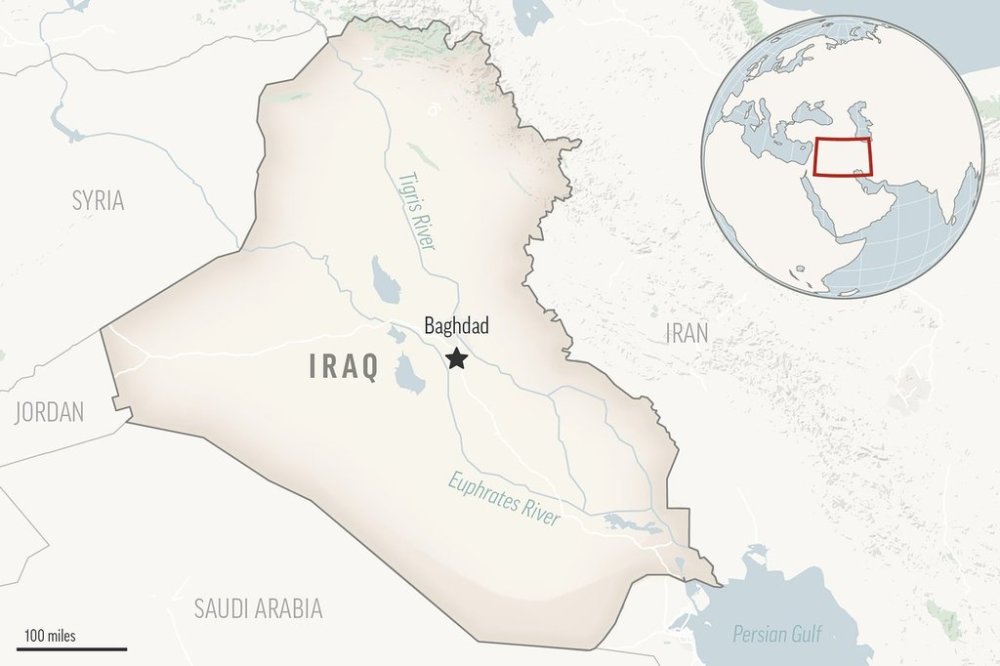
BAGHDAD (AP) — The final results of Iraq’s first census in nearly 40 years released Monday show the population has reached 46.1 million.
In 2009, an unofficial count estimated the population at 31.6 million.
Iraqi officials have called the population count a milestone and said it will provide essential data for future planning and resource distribution.
Speaking at a news conference to announce the results, Iraqi Planning Minister Mohammed Tamim said the census “demonstrates the government’s determination” to improve conditions in the country.
The Iraqi government is trying to consolidate security improvements after decades of war and instability, and to develop the economy at a time of regional upheaval.
The census provides detailed insights into economic, educational and housing conditions, with separate breakdowns for Iraq as a whole and the semi-autonomous Kurdish region in the north.
In federal Iraq, some 70.2% of the population lives in urban areas, while the Kurdish urban areas comprise 84.6% of the Kurdish population. The Kurdish region also saw higher rates of employment with 46% of the population economically active, compared to 41.6% in federal areas. Children’s enrollment in primary school was 93% in the Kurdish areas versus 88% in Iraq.
However, federal Iraq saw higher rates of home ownership and access to potable water and state electricity.
Tamim said the data will support a fairer distribution of resources across provinces.
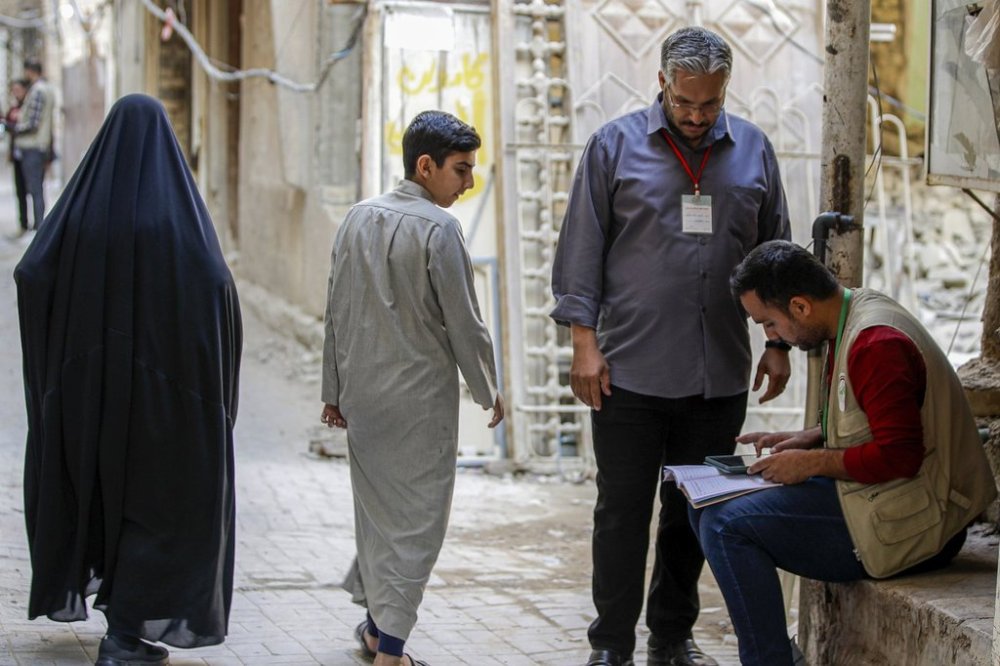
“For the first time in four decades, Iraq has successfully conducted a full census, helping ensure more equitable resource allocation,” he said.
The final count from the 2024 census is an increase of more than 1 million over the the preliminary estimate of 45.407 million released in November.