

Austria says it has uncovered a Russian-steered campaign to spread disinformation about Ukraine
Advertisement
Read this article for free:
or
Already have an account? Log in here »
To continue reading, please subscribe:

Digital Subscription
One year of digital access for only $205*
- Enjoy unlimited reading on winnipegfreepress.com
- Read the E-Edition, our digital replica newspaper
- Access News Break, our award-winning app
- Play interactive puzzles
*First annual payment billed as $205.00 + GST for one year. This annual subscription will automatically renew at $233.00 + GST every 52 weeks (10% off the regular annual price of $259.35). Offer available to new and qualified returning subscribers only. Cancel any time.
To continue reading, please subscribe:
Add Free Press access to your Brandon Sun subscription for only an additional
$1 for the first 4 weeks*
- Enjoy unlimited reading on winnipegfreepress.com
- Read the E-Edition, our digital replica newspaper
- Access News Break, our award-winning app
- Play interactive puzzles
*Your next Brandon Sun subscription payment will increase by $1.00 and you will be charged $17.95 plus GST for four weeks. After four weeks, your payment will increase to $24.95 plus GST every four weeks.
Read unlimited articles for free today:
or
Already have an account? Log in here »
Hey there, time traveller!
This article was published 24/03/2025 (499 days ago), so information in it may no longer be current.
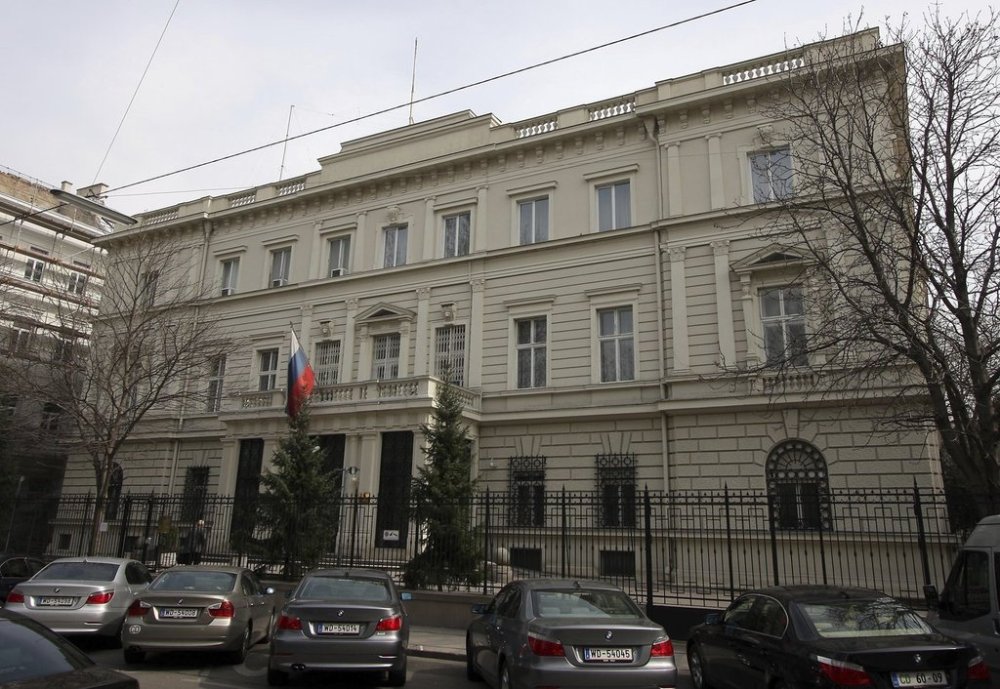
VIENNA (AP) — Austrian authorities said Monday that they uncovered a Russian-steered campaign aimed at spreading disinformation about Ukraine following the detention in December of a Bulgarian woman accused of spying for Russia.
Austria’s domestic intelligence agency unearthed evidence of the operation as it analyzed devices found in a search of the woman’s home, the Interior Ministry said in a statement. It said the investigation showed that a few weeks after Russia launched its full-scale invasion of Ukraine in 2022, a cell working for Russian intelligence was set up and planned a large-scale disinformation campaign in German-speaking countries, particularly Austria.
The group was active online but also used stickers and graffiti with content such as far-right symbols and nationalist statements meant to look like pro-Ukrainian activists were responsible for them, according to the Interior Ministry.
The Bulgarian suspect, whose name wasn’t released, is believed to have played a significant role in the effort and acted as an intelligence contact, the ministry said, adding that she has admitted working for the cell, particularly in 2022.
A year ago, Austria’s biggest espionage scandal in decades erupted with the arrest of a former Austrian intelligence officer, who was accused among other things of handing over cellphone data of former high-ranking Austrian officials to Russian intelligence and helping plot a burglary at a prominent journalist’s apartment.
The ex-officer, who was later released from custody, is suspected of having provided sensitive information to Jan Marsalek, a fugitive fellow Austrian wanted on suspicion of fraud since the collapse in 2020 of German payment company Wirecard, where he was the chief operating officer. The arrest warrant said chat messages provided by British authorities link Marsalek directly to Russia’s FSB intelligence agency.