

Orbán says Hungary is quitting the ICC to end its ‘half-hearted’ membership
Advertisement
Read this article for free:
or
Already have an account? Log in here »
To continue reading, please subscribe:

Digital Subscription
One year of digital access for only $205*
- Enjoy unlimited reading on winnipegfreepress.com
- Read the E-Edition, our digital replica newspaper
- Access News Break, our award-winning app
- Play interactive puzzles
*First annual payment billed as $205.00 + GST for one year. This annual subscription will automatically renew at $233.00 + GST every 52 weeks (10% off the regular annual price of $259.35). Offer available to new and qualified returning subscribers only. Cancel any time.
To continue reading, please subscribe:
Add Free Press access to your Brandon Sun subscription for only an additional
$1 for the first 4 weeks*
- Enjoy unlimited reading on winnipegfreepress.com
- Read the E-Edition, our digital replica newspaper
- Access News Break, our award-winning app
- Play interactive puzzles
*Your next Brandon Sun subscription payment will increase by $1.00 and you will be charged $17.95 plus GST for four weeks. After four weeks, your payment will increase to $24.95 plus GST every four weeks.
Read unlimited articles for free today:
or
Already have an account? Log in here »
Hey there, time traveller!
This article was published 04/04/2025 (545 days ago), so information in it may no longer be current.
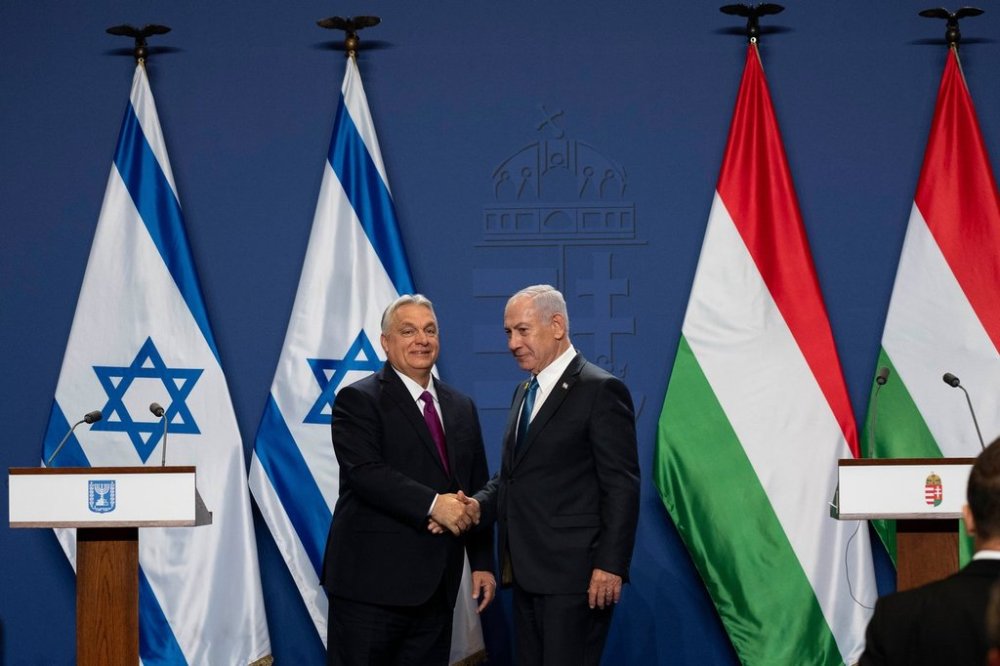
BUDAPEST, Hungary (AP) — Hungary was never fully committed to the International Criminal Court, Prime Minister Viktor Orbán said on Friday, a day after his government announced a decision to quit the global tribunal for war crimes and genocide.
Speaking on state radio, Orbán offered justification for why Hungary did not detain Benjamin Netanyahu on Thursday when Israel’s prime minister arrived in Budapest for a state visit despite an ICC arrest warrant.
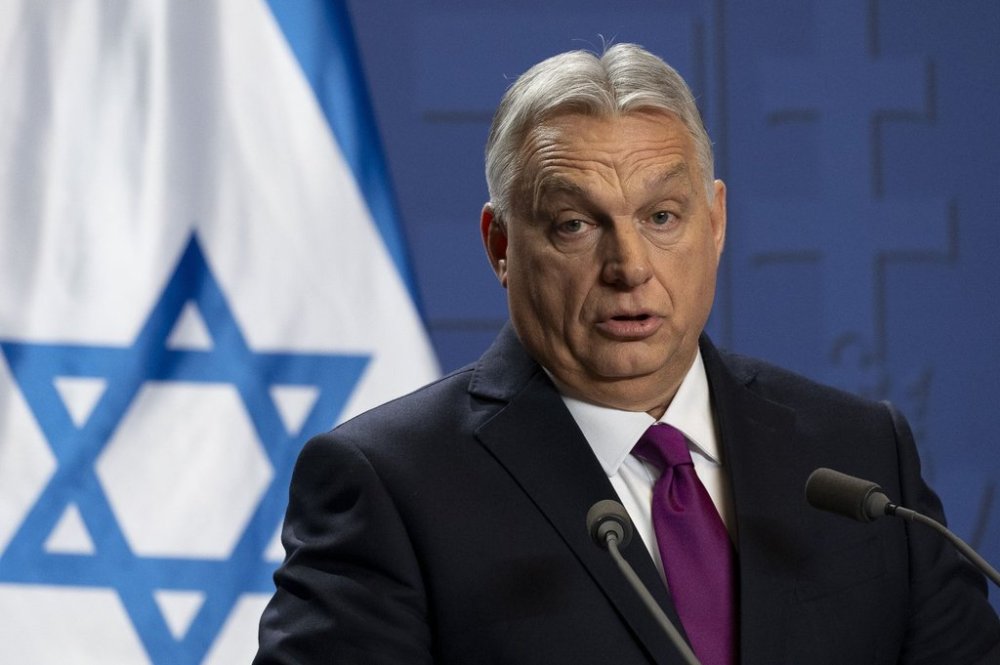
“Hungary has always been half-hearted” in its ICC membership, said Orbán, who on Thursday said the ICC was “no longer an impartial court, not a court of law, but a political court.” Hungary joined the ICC during Orbán’s first term as prime minister in 2001.
“We signed an international treaty, but we never took all the steps that would otherwise have made it enforceable in Hungary,” Orbán said, referring to the fact that Hungary’s parliament never promulgated the court’s statute into Hungarian law.
The court, based in The Hague, Netherlands, issued a warrant for Netanyahu’s arrest in November on suspicion of crimes against humanity for his conduct of Israel’s war in the Gaza Strip. Signatories to the ICC, such as Hungary, are required to arrest any suspects facing a warrant if they set foot on their soil.
The ICC and other international organizations have criticized Hungary’s defiance of the warrant against Netanyahu. Days before the Israeli leader received a red carpet welcome with full military honors in Hungary’s capital, the president of the court’s oversight body wrote to the government in Hungary reminding it of its “specific obligation to comply with requests from the court for arrest and surrender.”
Judges at the ICC have in the past dismissed similar arguments that failure to promulgate the court’s statute exempts countries from complying with its rulings.
Hungary’s decision to leave the ICC, a process that will take at least a year to complete, will make it the only country in the 27-member European Union that is not a signatory to the court. With 125 current signatory countries, only the Philippines and Burundi have ever withdrawn from the court as Hungary intends.
The Hungarian leader, regarded by critics as an autocrat and the EU’s most intransigent spoiler in the bloc’s decision-making, is seen as using some of the tactics that Netanyahu has been accused of employing in Israel: subjugation of the judiciary, antagonism toward the EU and cracking down on civil society and human rights groups.
He is also an ally of U.S. President Donald Trump and Russian President Vladimir Putin, both critics of the ICC.
In March 2023, the ICC issued an arrest warrant for Putin for war crimes, accusing him of responsibility for the abductions of children from Ukraine.
Trump in February issued sanctions against the court over its investigations into Israel’s conduct of the war in Gaza, which began when Hamas-led militants attacked southern Israel on Oct. 7, 2023, killing around 1,200 people, mostly civilians, and taking 251 hostages.
Israel’s response has killed more than 50,000 Palestinians, many of them children. In resuming its offensive in Gaza last month, shattering a ceasefire, Israel halted all imports of food, fuel and humanitarian aid to the territory’s 2 million Palestinians to pressure Hamas to release more hostages and accept proposed changes to the truce agreement.
___
Molly Quell in The Hague contributed to this report.