

Iran says fire extinguished at a port rocked by explosion as the death toll rises to at least 70
Advertisement
Read this article for free:
or
Already have an account? Log in here »
To continue reading, please subscribe:
Monthly Digital Subscription
$1 per week for 24 weeks*
- Enjoy unlimited reading on winnipegfreepress.com
- Read the E-Edition, our digital replica newspaper
- Access News Break, our award-winning app
- Play interactive puzzles
*Billed as $4.00 plus GST every four weeks. After 24 weeks, price increases to the regular rate of $19.95 plus GST every four weeks. Offer available to new and qualified returning subscribers only. Cancel any time.
Monthly Digital Subscription
$4.99/week*
- Enjoy unlimited reading on winnipegfreepress.com
- Read the E-Edition, our digital replica newspaper
- Access News Break, our award-winning app
- Play interactive puzzles
*Billed as $19.95 plus GST every four weeks. Cancel any time.
To continue reading, please subscribe:
Add Free Press access to your Brandon Sun subscription for only an additional
$1 for the first 4 weeks*
*Your next subscription payment will increase by $1.00 and you will be charged $16.99 plus GST for four weeks. After four weeks, your payment will increase to $23.99 plus GST every four weeks.
Read unlimited articles for free today:
or
Already have an account? Log in here »
Hey there, time traveller!
This article was published 28/04/2025 (332 days ago), so information in it may no longer be current.
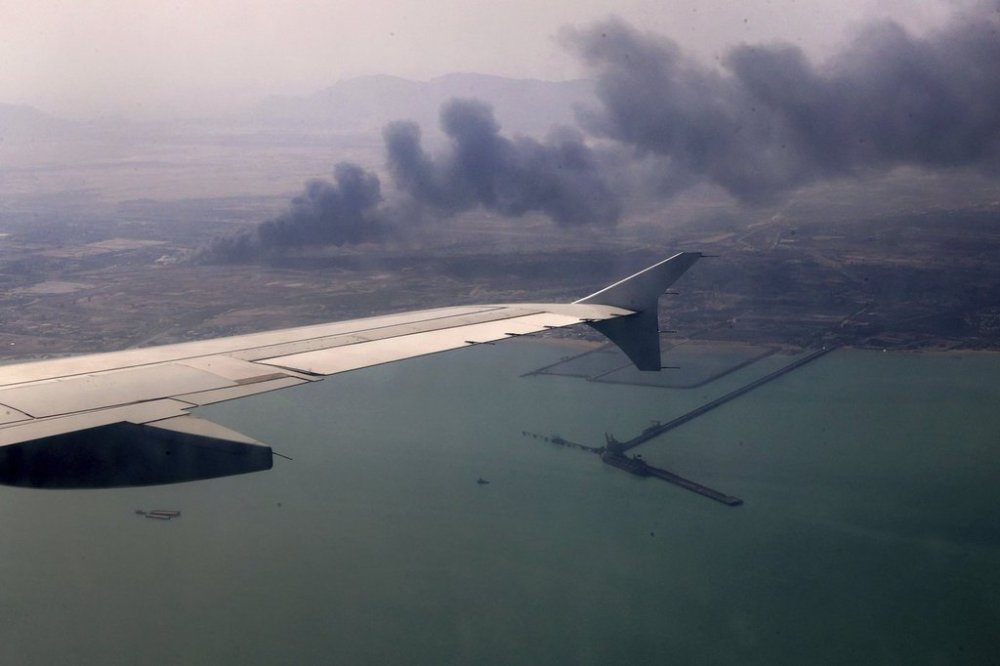
DUBAI, United Arab Emirates (AP) — Iran finally extinguished a fire Monday at a southern port rocked by an explosion as the death toll in the blast rose to at least 70 people killed, authorities said.
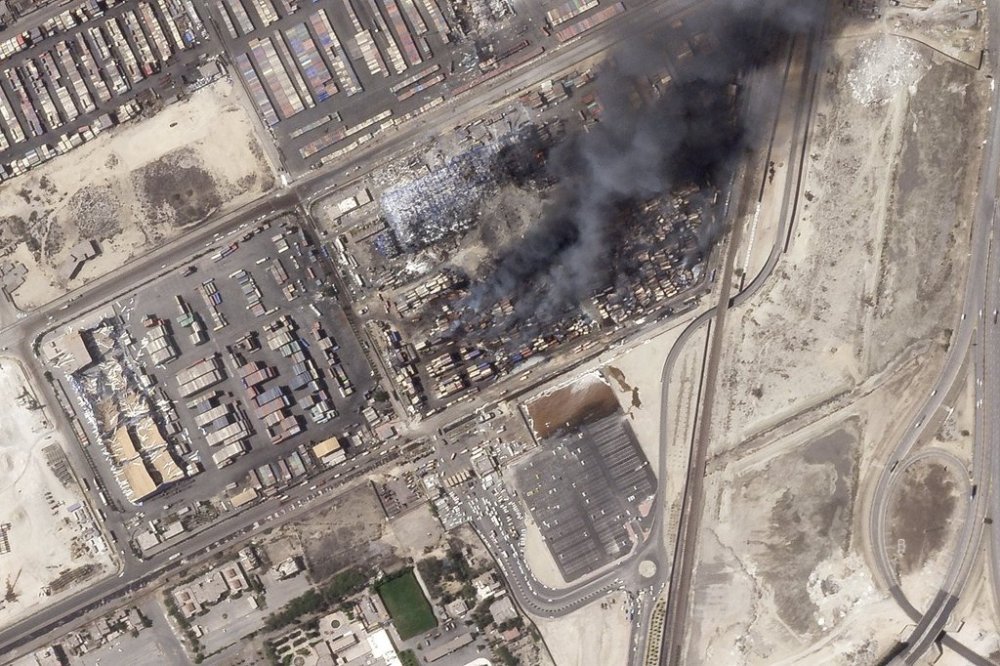
Satellite images analyzed by The Associated Press also showed the devastation of the explosion that injured more than 1,000 people. The photos from Planet Labs PBC came as local news reports from the site raised more questions about the cause of the blast Saturday at the Shahid Rajaei port near Bandar Abbas.
Iranian Interior Minister Eskandar Momeni announced the fire had been put out, while provincial emergency health official Mehrdad Hasanzadeh gave the death toll.
The port reportedly took in a chemical component needed for solid fuel for ballistic missiles — something denied by authorities though they’ve not explained the source of the power that caused such destruction.
The blast Saturday disintegrated a building next to the blast site, which appeared to be in a row where other containers once stood, the satellite photos showed. It also shredded the majority of another building just to the west.
The force of the blast also could be seen, with what appeared to be two craters measure some 50 meters (165 feet) across. Other containers nearby appeared smashed and distended by the explosion and the intense fire that followed.
The fire still burned at the site Monday, some two days after the initial explosion that happened just as Iran began a third round of negotiations with the United States over its rapidly advancing nuclear program.
Authorities still haven’t offered an explanation for the explosion.
Private security firm Ambrey says the port received missile fuel chemical in March. It was part of a shipment of ammonium perchlorate from China by two vessels to Iran, first reported in January by the Financial Times. The chemical used to make solid propellant for rockets was going to be used to replenish Iran’s missile stocks, which had been depleted by its direct attacks on Israel during the war with Hamas in the Gaza Strip.
The Iranian military denied receiving the chemical shipment.
Social media footage of the explosion saw reddish-hued smoke rising from the fire just before the detonation. That suggests a chemical compound being involved in the blast, like in the 2020 Beirut port explosion.
Late Sunday, Iran’s semiofficial ILNA news agency quoted Saeed Jafari, the CEO of marine services company working at the port, as saying there were false statements about the cargo that detonated, which he called “very dangerous.”
“The incident happened following a false statement about the dangerous goods and delivering it without documents and tags,” Jafari said.
Another report by the semiofficial ISNA news agency claimed the cargo that caused the blast was not reported to customs authorities as well.
Only high-level authorities in Iran, such as its paramilitary Revolutionary Guard, could circumvent normal procedures at the port.