

Kentucky changes its athletic department to an LLC, hoping to become more nimble in finding revenue
Advertisement
Read this article for free:
or
Already have an account? Log in here »
To continue reading, please subscribe:
Monthly Digital Subscription
$1 per week for 24 weeks*
- Enjoy unlimited reading on winnipegfreepress.com
- Read the E-Edition, our digital replica newspaper
- Access News Break, our award-winning app
- Play interactive puzzles
*Billed as $4.00 plus GST every four weeks. After 24 weeks, price increases to the regular rate of $19.95 plus GST every four weeks. Offer available to new and qualified returning subscribers only. Cancel any time.
Monthly Digital Subscription
$4.99/week*
- Enjoy unlimited reading on winnipegfreepress.com
- Read the E-Edition, our digital replica newspaper
- Access News Break, our award-winning app
- Play interactive puzzles
*Billed as $19.95 plus GST every four weeks. Cancel any time.
To continue reading, please subscribe:
Add Free Press access to your Brandon Sun subscription for only an additional
$1 for the first 4 weeks*
*Your next subscription payment will increase by $1.00 and you will be charged $16.99 plus GST for four weeks. After four weeks, your payment will increase to $23.99 plus GST every four weeks.
Read unlimited articles for free today:
or
Already have an account? Log in here »
Hey there, time traveller!
This article was published 30/04/2025 (330 days ago), so information in it may no longer be current.
With college athletics bracing for the expected approval of a $2.8 billion NCAA antitrust settlement, the University of Kentucky is believed to be the first school to convert its athletic department to a limited-liability holding company.
The creation of Champions Blue LLC, approved last week by the university’s Board of Trustees, is seen as a way for Kentucky to become more nimble in finding new revenue. The pending settlement in the House case will clear the way for schools to share up to $20.5 million annually with their athletes, but name, image and likeness deals on top of that are seen as a key asset in landing and keeping elite recruits — and that takes money.
The plan calls for a board that will have wide experience in fundraising, and the school noted it hopes to “unlock new revenue streams through public-private partnerships and potentially other transactions, such as real estate.”
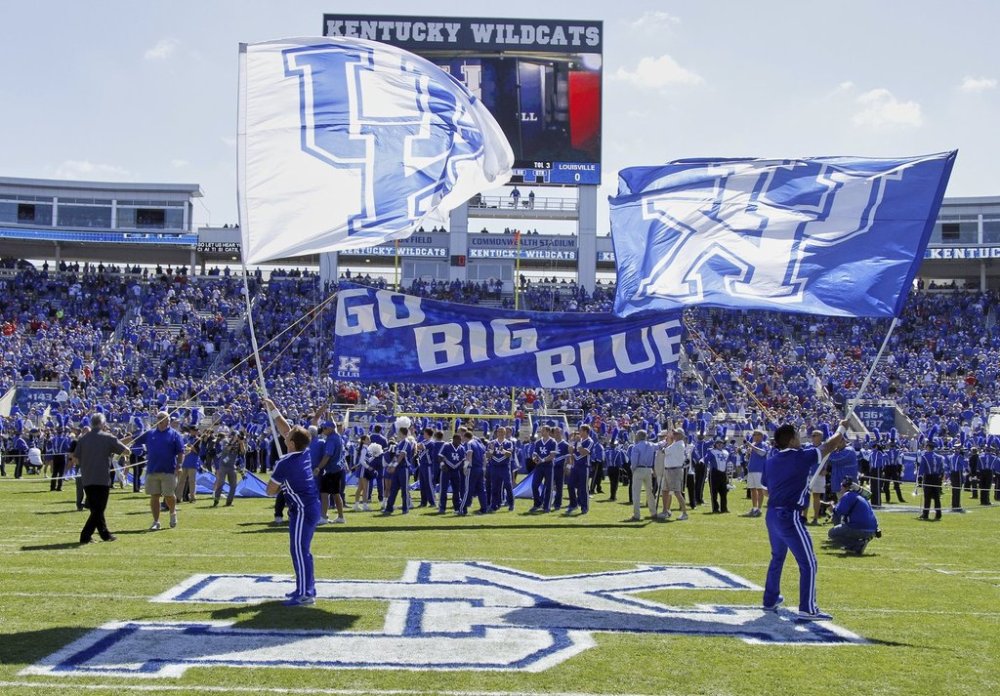
“There are so many benefits to creating Champions Blue,” said Jacob Most, UK’s director of strategic communications. “It provides the flexibility needed to help us stay well-positioned during this period of continued evolution in college athletics. We will benefit from a new board of internal and outside experts with sports business experience — including in pro sports — that will help guide us in finding revenue streams to support our teams.”
The so-called House settlement and changing landscape were driving factors in the decision, and UK said in its announcement Friday that the changes “will add millions more each year to the expenses of intercollegiate programs.”
An LLC provides some legal protections against losses or risks, and experts said transitioning to one may be a wise choice for major institutions like Kentucky. Being able to make quicker choices in the current landscape could be a key benefit.
It might not work across the board, however.
Making the shift requires thoughtful consideration, said Jim Booz, a former deputy athletic director at Virginia and now the director of college athletics advisory services at the accounting firm James Moore & Co.
“It’s important for every institution to really think about their strategic alignment and what it is that they want to accomplish in this new landscape of college athletics,” Booz said. “Certainly, a move like this one allows the University of Kentucky to be a little bit more agile and nimble in executing, in all likelihood, some strategies that they plan to implement post the House case.”
Helen Drew, a sports law professor at the University of Buffalo, said agility is increasingly valuable in college athletics. As the amateur model vanishes, athletic departments are more inclined to make changes.
“The traditional structure has never fit particularly well, and certainly now it does not fit well at all with the transactional nature of college sports,” Drew said. “This is the first institution to acknowledge that we’re in a different era and that the organizational structures that we’ve used up until this time don’t work well with the new reality.”
UK officials said the structure is appealing to all parties, including athletes seeking NIL compensation.
“This structure will help us create new revenue streams, which when reinvested in our programs and facilities, will help ensure the continued success of our sports programs,” Most said. “In today’s college landscape, isolating the business component enables us to focus on our student-athletes.”
___
This story has been corrected to show Jim Booz was a former deputy athletic director at Virginia, not Virginia Tech.
___
AP sports: https://apnews.com/sports