

India will include caste details in its next census
Advertisement
Read this article for free:
or
Already have an account? Log in here »
To continue reading, please subscribe:

Digital Subscription
One year of digital access for only $205*
- Enjoy unlimited reading on winnipegfreepress.com
- Read the E-Edition, our digital replica newspaper
- Access News Break, our award-winning app
- Play interactive puzzles
*First annual payment billed as $205.00 + GST for one year. This annual subscription will automatically renew at $233.00 + GST every 52 weeks (10% off the regular annual price of $259.35). Offer available to new and qualified returning subscribers only. Cancel any time.
To continue reading, please subscribe:
Add Free Press access to your Brandon Sun subscription for only an additional
$1 for the first 4 weeks*
- Enjoy unlimited reading on winnipegfreepress.com
- Read the E-Edition, our digital replica newspaper
- Access News Break, our award-winning app
- Play interactive puzzles
*Your next Brandon Sun subscription payment will increase by $1.00 and you will be charged $17.95 plus GST for four weeks. After four weeks, your payment will increase to $24.95 plus GST every four weeks.
Read unlimited articles for free today:
or
Already have an account? Log in here »
Hey there, time traveller!
This article was published 01/05/2025 (460 days ago), so information in it may no longer be current.
NEW DELHI (AP) — India will include caste details in its next census, in a move likely to have sweeping socio-economic and political ramifications for the world’s most populous country.
Information Minister Ashwini Vaishnaw didn’t say when the census would begin when he announced it would include caste information Wednesday. He said the decision demonstrated New Delhi’s commitment to the “values and interests of the society and country.”
The count is likely lead to demands to raise the country’s quotas that reserve government jobs, college admissions and elected offices for some categories of castes, especially for a swathe of lower and intermediate castes that are recognized as Other Backward Classes. India’s current policy caps quotas at 50%, with 27% reserved for OBCs.
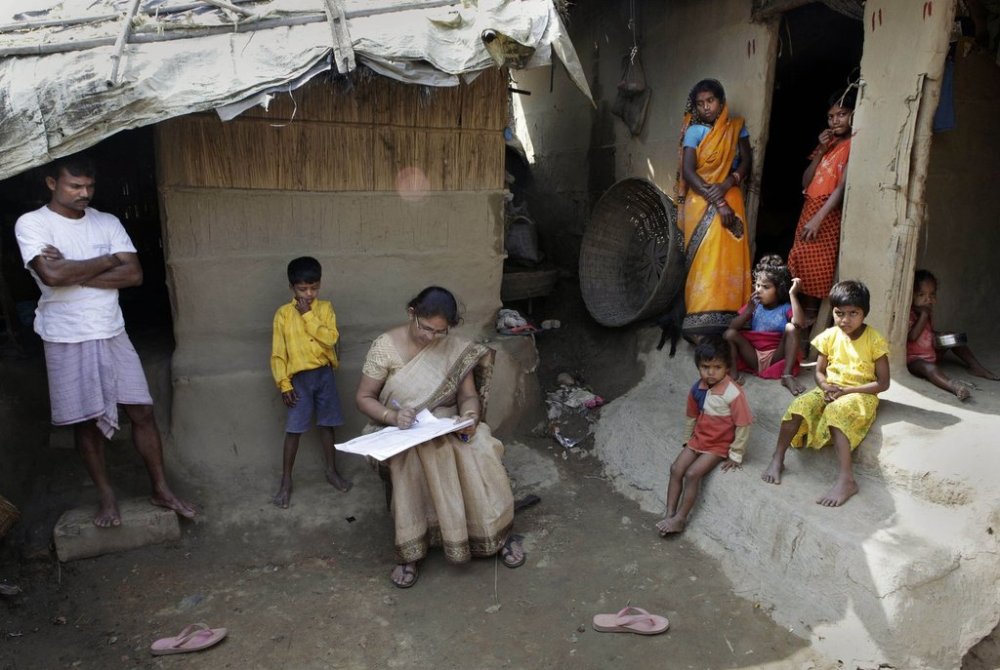
Caste is an ancient system of social hierarchy in India and is critical to Indian life and politics. There are hundreds of caste groups based on occupation and economic status across India, particularly among Hindus, but the country has limited, or outdated data on how many people belong to them.
Successive Indian governments have resisted updating caste data, arguing that it could lead to social unrest. But its supporters say detailed demographic information is necessary to properly implementing India’s many social justice programs.
Colonial ruler Britain began an Indian census in 1872 and counted all castes until 1931. However, independent India since 1951 only counted Dalits and Adivasis, who are referred to as scheduled castes and tribes, respectively. Everyone else’s caste was marked as general.
The next once-in-a-decade population survey was originally due in 2021, but has been delayed mainly by the COVID-19 pandemic and logistical hurdles. The last official census in 2011 counted 1.21 billion people, of which 2011 million were scheduled castes and 104 million were scheduled tribes.
India surpassed China to become the most populous country in April 2023 with an estimated 1.425 billion people, according to the U.N.’s Department of Economic and Social Affairs.
The announcement on the census comes months ahead of a crucial election in India’s poorest state of Bihar, where caste is a key issue. Modi’s party runs a coalition government in Bihar.
The opposition and Modi’s partners have pressed the government to count caste in a new census. Modi’s Hindu nationalist party has in the past opposed the idea of counting people by caste, saying it would deepen social divisions in the country.
Opposition leader Rahul Gandhi of the Congress Party wrote on X that “It is clear that the pressure we put on the government for Caste Census has worked.”
Two Indian states, northern Bihar and southern Karnataka, have already released caste surveys, both showing a higher number of backward castes and prompting demands to raise quotas.
Two southern states, Andhra Pradesh and Telangana, are also planning to undertake similar surveys.
Vaishnaw said including caste details in the national census would improve transparency, while adding that some states ruled by opposition parties have done their own caste surveys for political gain.
Fortunes of many of these political parties, including Prime Minister Narendra Modi’s ruling Bharatiya Janata Party, depend on alliance of castes, particularly those in the OBC category.
On Wednesday, Amit Shah, India’s powerful home minister, called the move “historic” and said it “will empower all economically and socially backward sections.”