

Battered by war and economic crisis, Lebanon holds first local elections in almost 10 years
Advertisement
Read this article for free:
or
Already have an account? Log in here »
To continue reading, please subscribe:
Monthly Digital Subscription
$1 per week for 24 weeks*
- Enjoy unlimited reading on winnipegfreepress.com
- Read the E-Edition, our digital replica newspaper
- Access News Break, our award-winning app
- Play interactive puzzles
*Billed as $4.00 plus GST every four weeks. After 24 weeks, price increases to the regular rate of $19.95 plus GST every four weeks. Offer available to new and qualified returning subscribers only. Cancel any time.
Monthly Digital Subscription
$4.99/week*
- Enjoy unlimited reading on winnipegfreepress.com
- Read the E-Edition, our digital replica newspaper
- Access News Break, our award-winning app
- Play interactive puzzles
*Billed as $19.95 plus GST every four weeks. Cancel any time.
To continue reading, please subscribe:
Add Free Press access to your Brandon Sun subscription for only an additional
$1 for the first 4 weeks*
*Your next subscription payment will increase by $1.00 and you will be charged $16.99 plus GST for four weeks. After four weeks, your payment will increase to $23.99 plus GST every four weeks.
Read unlimited articles for free today:
or
Already have an account? Log in here »
Hey there, time traveller!
This article was published 04/05/2025 (329 days ago), so information in it may no longer be current.
HARET HREIK, Lebanon (AP) — Lebanese voted Sunday in the country’s first local elections in almost a decade, months after a U.S.-brokered ceasefire ended a war between Israel and Hezbollah.
The first round of voting, which is taking place by region, was in the Mount Lebanon districts including Beirut’s battered southern suburbs, where Hezbollah headquarters are located and much of their leadership including veteran leader Hassan Nasrallah were killed in Israeli airstrikes during the 14-month war.
The polls for mayors and municipal councils, though not as significant as Lebanon’s parliamentary election set for 2026, are a barometer of how much the devastating war that left over 4,000 people dead and entire neighborhoods destroyed has impacted support for politicians and parties, especially in the south where Hezbollah and allies are strong.
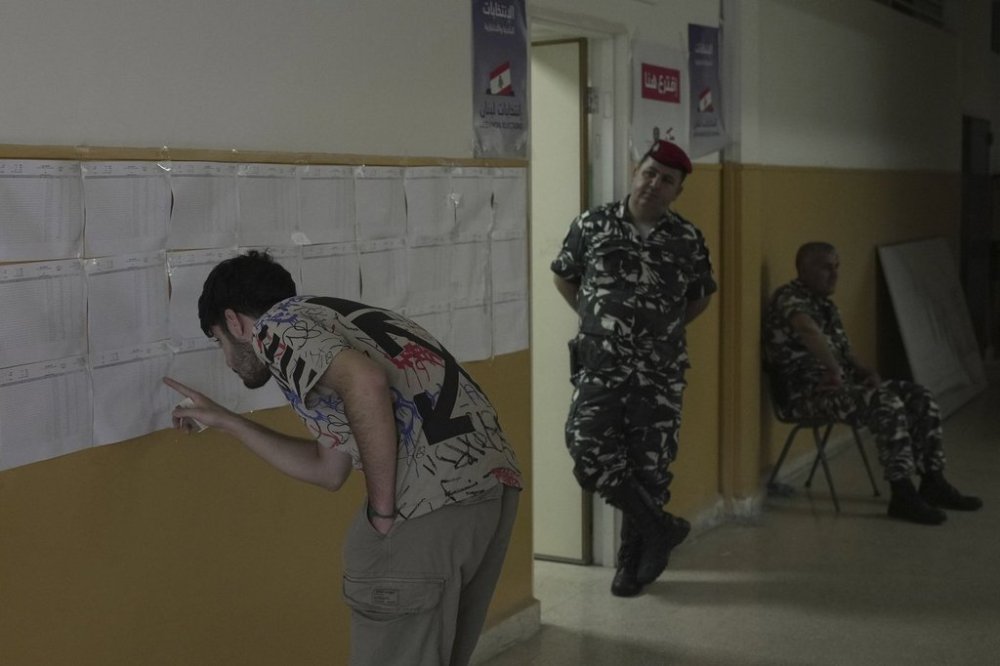
Hezbollah and fellow Shitte party the Amal Movement are expected to win most votes for municipal councils and mayors in Beirut’s southern suburbs.
Flags of the parties and members wearing green and yellow paraphernalia were present outside the polling stations, assisting supporters wanting to cast their vote for the parties’ candidates.
The voting also took place in public schools near the wreckage of buildings destroyed in Israeli airstrikes. Lebanon’s cash-strapped government has been scrambling to secure international funds for the reconstruction, which the World Bank estimates at over $11 billion.
Municipal elections were supposed to have taken place years ago but the government had postponed them three times, including once over budgetary constraints.
Voters said they were especially concerned with rebuilding their homes and livelihoods.
Mohammad Awali, a candidate running for the Haret Hreik municipality, said his local council “has a great responsibility, especially given the extensive destruction that occurred in our area.”